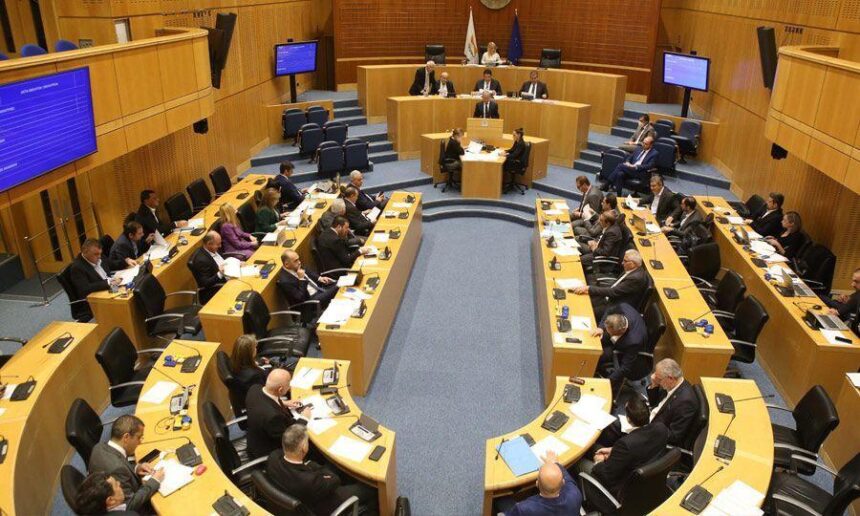
The Cyprus government has unveiled a series of targeted measures aimed at curbing rising inflation that has been impacting households and businesses across the island. Announced in Nicosia, these policies are designed to stabilize prices and protect consumer purchasing power amid ongoing economic pressures. This development is critical as it addresses immediate cost-of-living challenges and seeks to ensure broader economic stability in Cyprus.
Introduction: Hook and context
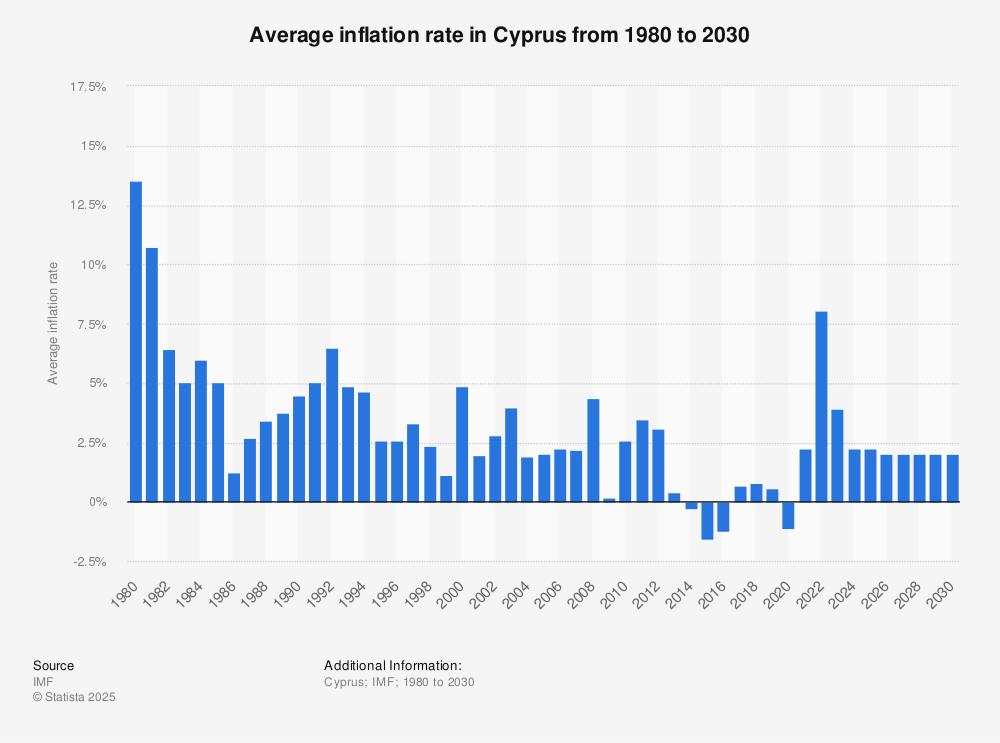
The Cyprus government has unveiled a new package of measures aimed at tackling the rising inflation that has been impacting households and businesses across the island. This move comes amid growing economic pressures as global supply chain disruptions and increased energy costs continue to push prices upward. According to the latest figures released by the Statistical Service of Cyprus, the annual inflation rate in the country surged to 7.5% in March, one of the highest in recent years, prompting urgent intervention from policymakers.
Finance Minister Constantinos Petrides emphasized the government’s commitment to protecting consumers and stabilizing the economy, stating that “these measures target the most vulnerable segments of our society and seek to ease the financial burden caused by inflation.” The announced steps include subsidies for essential goods, support for low-income households, and initiatives to promote energy efficiency. As the government moves to implement these policies, the next section will detail the specific measures introduced and their expected impact on the Cypriot economy.
Key Details: What happened
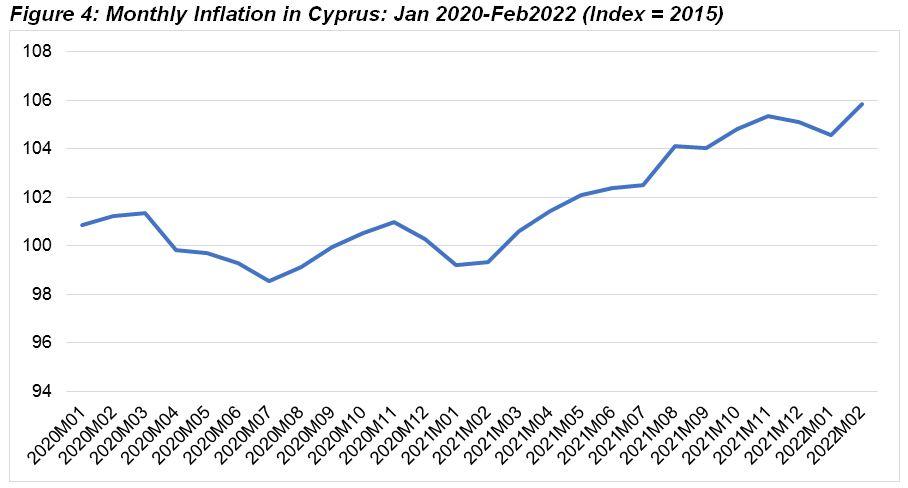
The Cyprus government has introduced a series of new measures aimed at curbing the rising inflation that has affected the cost of living across the island. Announced in a press conference by Finance Minister Michalis Sarris, the package includes targeted subsidies for essential goods, caps on fuel prices, and increased support for low-income households. These steps are part of a broader strategy to stabilize prices and protect consumers from the impact of global economic pressures, including supply chain disruptions and fluctuating energy costs.
The government emphasized that this approach is designed to balance short-term relief with long-term economic stability. “We are fully aware of the challenges faced by Cypriot families and are committed to taking decisive action to ease the burden of inflation,” Sarris stated. The plan also includes enhanced monitoring of business practices to prevent unfair price hikes. As the government prepares to implement these measures, attention now turns to their potential impact on the economy and whether they will effectively temper inflation in the coming months.

Reactions: Officials, experts, or local voices
Finance Minister Constantinos Petrides emphasized the government’s commitment to safeguarding household incomes amid rising prices, stating, “These measures are designed to provide immediate relief to families struggling with inflationary pressures while ensuring economic stability.” He highlighted targeted subsidies and adjustments in taxation as key tools, adding that “the government remains vigilant and ready to act as the situation evolves.” Experts from the Cyprus Centre for Economic Research also cautiously welcomed the initiatives, with senior analyst Elena Ioannou noting that while the package addresses some short-term challenges, “sustained inflation control will require broader structural reforms to enhance productivity and competitiveness.”
Local reactions have been mixed but generally supportive, especially among small business owners and consumer advocacy groups who have long voiced concerns about the eroding purchasing power of Cypriot households. Maria Georgiou, president of the Cyprus Small Business Association, called the measures “a necessary step to stabilize the market and protect vulnerable sectors.” Meanwhile, some economists urged caution, warning that external factors like global energy prices remain unpredictable. As implementation begins, all eyes will be on the real-world impact of the government’s efforts and the potential need for further interventions.
Impact: How it affects residents or businesses
The new measures introduced by the Cyprus government aim to ease the financial pressure on households grappling with rising living costs. By capping electricity and fuel prices temporarily, the government hopes to prevent further erosion of disposable incomes, which is especially crucial as inflation recently surged to a multi-year high of 8.6%. For many residents, this intervention offers a vital reprieve, helping to stabilize monthly budgets in a context where grocery bills and utility costs have become increasingly unpredictable. Local consumer groups have welcomed the move, but some warn that relief may be short-lived if underlying inflation drivers are not addressed.
Businesses, particularly small and medium enterprises (SMEs), are also expected to feel immediate impacts from these measures. The government’s subsidies for energy and transportation costs could help reduce operational expenses, which have heavily squeezed profit margins amid rising wholesale prices. However, some industry leaders caution that prolonged inflation and supply chain disruptions still pose significant risks to economic stability and growth. The government’s plan to introduce tax reliefs and incentivize local production aims to bolster business resilience, setting the stage for the next phase of economic adjustments and support.
Outlook: What’s next
The government’s new measures are expected to provide some relief to households grappling with rising living costs, but economic analysts emphasize that sustained efforts will be needed to tackle inflation in the medium term. According to the Ministry of Finance, the package is designed to stabilize prices of essential goods and utilities while supporting vulnerable groups through targeted subsidies. However, experts warn that external factors such as global energy prices and supply chain disruptions remain significant risks that could limit the effectiveness of these measures.
Looking ahead, the government has indicated it will closely monitor inflation trends and economic indicators to adjust policies as necessary. Central Bank officials have also signaled their readiness to intervene with monetary tools should inflation expectations become unanchored. The coming weeks will be critical for assessing the impact of the new measures on consumer confidence and spending, which will ultimately influence the island’s economic stability. Moving on, we will examine the public response and feedback from key stakeholder groups regarding the announced policies.
Why This Story Matters for Cyprus
The Cyprus Government’s announcement of new measures to curb inflation addresses a pressing economic challenge that directly affects the cost of living for residents. Moving forward, stakeholders will be closely watching the implementation of these policies and their impact on price stability and economic growth across the country.