The focus keyword for this situation is energy projects, as Cyprus encounters significant challenges with its two most crucial initiatives: the import of LNG at Vasilikos and the GSI electrical interconnector. Both projects are currently under investigation by the European Public Prosecutor’s Office (EPPO) for suspected fraud and corruption.

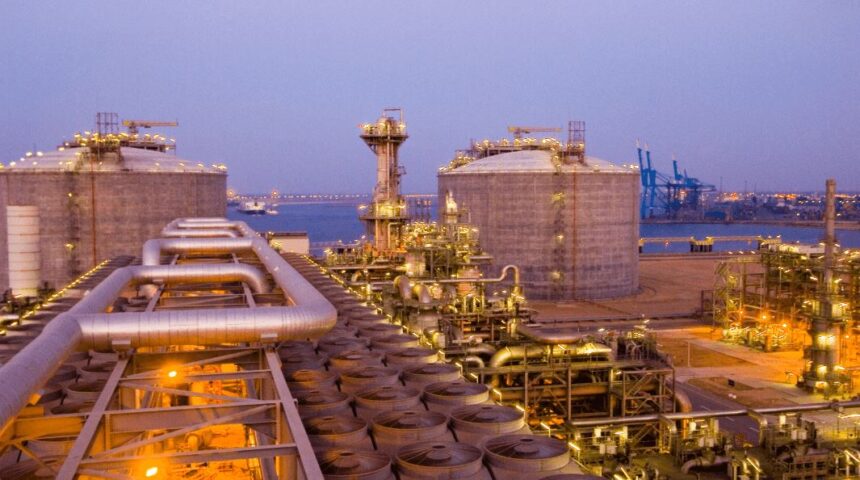
Photo: cyprus-mail.com
This week has been particularly tumultuous for the Cypriot energy sector. The viability of the GSI interconnector project is in jeopardy, with Finance Minister Makis Keravnos withholding a €25 million payment designated for the project operator, Admie. Despite the inter-governmental agreement signed with Greece last year, Keravnos is awaiting clearer progress from Admie before any funds are released.
The Greek government has responded assertively, seeking clarification on Cyprus’ intentions. In a bid to alleviate tensions, Cyprus’ Energy Minister has indicated that the project remains on track, a statement interpreted by Greece as a positive sign. However, the €25 million payment remains a contentious issue and continues to fuel uncertainty.
Meanwhile, the LNG import project has also faced heavy scrutiny. A parliamentary hearing exposed the energy minister and the government to criticism from all political factions, which accused them of lacking a clear strategy for moving forward. As a result, Cypriot electricity consumers are likely to endure some of the highest electricity prices in Europe, particularly when adjusted for purchasing power. Political parties are calling for accountability and a definitive schedule for the project’s completion.
Despite these challenges, there was some optimism emanating from Egypt’s petroleum minister, who confirmed that commercial exploitation of the Kronos gas field is on track to commence by the end of 2027. Some of this gas is expected to be exported as LNG to Europe. However, projections suggest that profits for Cyprus will remain modest, accounting for only 0.1-0.2% of annual government revenues, unlikely to significantly alter the financial landscape.
In addition, the Damietta LNG plant is expected to facilitate some of the gas exports, but most of the 5 bcm/year is likely to be consumed domestically in Egypt, aimed at reducing reliance on costly LNG imports. This means that less than half of the gas may be liquefied for export to Europe, covering only a fraction of the continent’s annual gas imports. Nevertheless, this would mark a significant milestone for Cypriot gas entering international markets for the first time.
The Competitive Electricity Market is also set to commence on October 1, though analysts express scepticism about its competitiveness. Critics suggest that conventional power generation will continue to dictate electricity prices, allowing certain renewable energy sources to profit excessively while claiming compliance with market rules.
As the EPPO investigation into the LNG import project unfolds, it has already revealed substantial concerns. Initiated in March 2024, the investigation focuses on bank accounts of politicians and state officials. While details remain under wraps, the implications of the findings are likely to impact the projects significantly.
The Chinese contractor, CPP, has recently broken its silence regarding the project. They allege that delays stemmed from issues outside their control, such as funding availability and managerial appointments. They assert that the contract specified a two-week review period for project documents, but in practice, it often extended to two months, leading to significant delays. CPP maintains that they are committed to transparency and are open to dialogue to expedite the project’s completion.
Currently, both energy projects are at a standstill. Technip, the new project manager, is assessing all facets of the LNG initiative and the status of the incomplete construction at Vasilikos. A report detailing recommendations for moving forward is expected imminently.
With the pressing need to import LNG to lower electricity prices, all options for completing these projects must be considered. The urgency of the situation is palpable, yet convincing answers about the timeline for these projects remain elusive.