
With Cyprus solidifying its reputation as a strategic business hub in the Mediterranean, commercial real estate across the island has taken center stage for investors and developers alike. Shaped by shifting global dynamics, economic resilience, and transformative development projects, the sector is revealing new patterns that merit a closer look. As demand for premium office spaces rises and retail landscapes evolve, understanding the market’s latest currents is vital for anyone eyeing opportunities in Cyprus. Dive into the complex forces, emerging trends, and the unique opportunities shaping the island’s commercial property market right now.

Introduction: Why this real estate topic matters
Cyprus’ commercial real estate landscape is rapidly evolving, driven by a confluence of economic growth, strategic location, and mounting investor interest from both local and international markets. As of 2025, renewed confidence in Cyprus’ economy, coupled with planned infrastructure upgrades and a robust tourism sector, continues to influence the demand for office spaces, retail storefronts, and logistics hubs. Despite broader challenges in the European real estate sector, Cyprus’ position as a business gateway between Europe, the Middle East, and Africa amplifies its appeal, especially for companies seeking regional headquarters or expansion opportunities.
For investors, developers, and business owners, understanding the prevailing trends and underlying drivers is crucial for making informed decisions. Key factors such as government-led initiatives to streamline business processes, targeted tax incentives, and digital transformation of property services are having a tangible impact. Additionally, the steady influx of technology and financial services companies is reshaping traditional commercial neighborhoods and creating fresh pockets of demand. Staying ahead of these trends is essential for capitalizing on emerging opportunities and navigating shifting market dynamics.
In the following sections, we’ll delve into the most significant trends shaping Cyprus’ commercial property market, highlight high-potential opportunities, and unpack the core drivers influencing demand and value over the coming year.
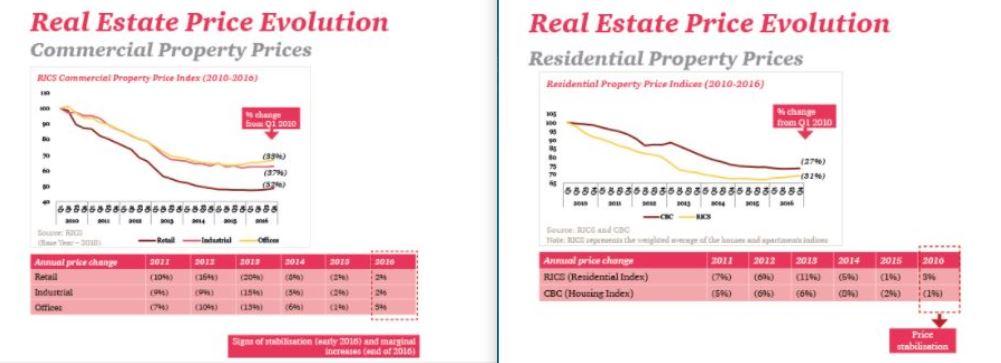
Current Market Overview (Data and Trends)
The commercial real estate landscape in Cyprus has shown remarkable resilience and adaptability throughout early 2025. Office demand, particularly in Limassol and Nicosia, remains robust, fueled by sustained growth in technology firms, fintech startups, and regional headquarters of multinational companies. Rents in prime business districts have edged upward, with recent market analysis indicating a 4% year-on-year increase in prime office rental rates. Meanwhile, logistics and warehousing assets continue to outpace other commercial segments, driven by the ongoing expansion of e-commerce and the island’s strategic role as a regional trade hub.
Retail property trends are more differentiated. High-street locations in Nicosia and tourist-centric areas such as Larnaca and Paphos have seen a healthy return of foot traffic, with vacancy rates steadily declining. However, secondary retail sites are still experiencing pressure as consumer preferences evolve and some older properties struggle to attract new lessees. Investors are advised to target assets that cater to experiential retail or anchor tenants with proven resilience.
With the rapid transformation of workplace dynamics and retail habits, investors should prioritize assets offering flexibility and technological infrastructure. Looking ahead, anticipated infrastructure upgrades and new regulatory frameworks could further influence commercial real estate performance, especially in emerging sectors. Now let’s examine the key opportunities and drivers set to shape Cyprus’s commercial property market going forward.
Regional Insights: Limassol, Nicosia, Paphos, Larnaca
Limassol continues to dominate Cyprus’s commercial real estate landscape, driven by its flourishing shipping sector, expanding tech startups, and a steady stream of international investment. The city has witnessed increased demand for modern office space, particularly in the city centre and along the coastline, prompting both redevelopments and new-build projects. Investors are also keenly eyeing mixed-use developments, as Limassol’s business community values flexibility and premium amenities. For those seeking long-term returns, focusing on Grade A office properties near the marina or the thriving business district is a smart move for 2025.
Nicosia, the island’s capital, offers compelling opportunities thanks to its role as the administrative and financial hub. Institutional tenants continue to underpin the stability of the market, especially around Makariou Avenue and the city’s expanding business parks. Retail property in central Nicosia is also seeing renewed interest as international brands secure prime spots, drawn by robust consumer activity and tourist footfall. For investors, Nicosia’s appeal lies in the potential for steady income from government tenants and multinational occupiers, making it a relatively low-risk play in the current climate.
Meanwhile, Paphos and Larnaca present unique dynamics. Paphos benefits from year-round tourism, fueling demand for hospitality and retail assets, particularly boutique hotels and lifestyle retail formats that cater to visitors. Larnaca is rapidly reshaping itself as a logistics and transport hub, especially with ongoing upgrades to its port and airport facilities. Warehouse and distribution space in Larnaca is increasingly attractive, especially as e-commerce and regional trade expand. Savvy investors should consider strategic acquisitions in these evolving markets, focusing on well-located commercial assets with solid tenant demand.
As these regional dynamics illustrate, Cyprus’s commercial real estate market offers a diverse range of opportunities. The next section explores key market drivers and forecasts, providing further clarity for investors looking to refine their strategies for 2025.
Key Investment Opportunities
Cyprus’s commercial real estate sector continues to offer promising opportunities in 2025, particularly in Grade A office spaces and logistics hubs. The island’s appeal as a regional business center remains robust, with increasing demand from tech companies, fintech firms, and professional services expanding or relocating their operations to Cyprus. Central business districts in Nicosia and Limassol are seeing healthy absorption rates for modern, energy-efficient office buildings, while the government’s digital transformation initiatives and incentives for foreign investors have further fueled this demand. Investors seeking stable rental yields and long-term capital appreciation are targeting these new builds and repositioned assets.
Industrial and logistics real estate is also emerging as a standout opportunity, boosted by Cyprus’s strategic geographic position and the ongoing expansion of its ports and free trade zones. E-commerce growth has prompted both local and international players to secure modern warehousing and last-mile distribution centers, particularly near Limassol and Larnaca. For investors, turnkey logistics facilities or redevelopment projects close to transport corridors are proving especially attractive, combining strong tenant demand with favorable macroeconomic tailwinds.
These prospects are underpinned by Cyprus’s stable regulatory environment and ongoing improvements in infrastructure, making the market accessible yet competitive. As always, thorough due diligence, alignment with the latest market data, and an understanding of tenant needs will be critical for capitalizing on these opportunities. The following section delves deeper into the market drivers shaping these trends and what investors should watch in the near future.
Expert Opinions or Case Studies
Industry leaders in Cyprus’s commercial real estate sector consistently emphasize the importance of adaptability and strategic timing. According to Nikos Chrysanthou, a veteran commercial property analyst, the continued influx of international firms-especially tech and fintech companies-is driving demand for high-spec office spaces in Nicosia and Limassol. He notes that occupiers are now prioritizing flexible layouts, energy efficiency, and proximity to key infrastructure, suggesting that investors with forward-looking portfolios stand to benefit most. In practice, this means developers and landlords should focus on upgrading spaces with energy-efficient technologies and communal amenities to stay ahead in an increasingly competitive market.
Case studies from the logistics sector further demonstrate how Cyprus’s position as an EU gateway is shaping investment strategies. Maria Andreou, a logistics property manager, recently oversaw the redevelopment of a Larnaca industrial park. She observes that modern warehouses with built-in automation and excellent transport links are attracting not only local but also regional tenants. Her advice to investors is clear: prioritize properties that enable operational efficiency and comply with the latest sustainability standards, as these are now critical criteria for multinational tenants.
These expert perspectives underscore a shared belief-success in Cyprus’s commercial real estate hinges on anticipating shifting occupier needs and aligning investments with emerging market drivers. With that in mind, it’s crucial to examine the broader trends and forecasts shaping the market’s trajectory for the coming year.
Forecast and What to Watch Next
Looking ahead to 2025, Cyprus’s commercial real estate sector is expected to continue its upward momentum, albeit at a steadier pace compared to recent years. Demand for high-quality office spaces remains robust, particularly in Limassol, as the city continues to attract tech firms, shipping giants, and multinational headquarters. Some experts anticipate rental yields to stabilize after a period of strong growth, suggesting a market shift toward more sustainable, long-term investments rather than speculative buying. Retail and hospitality properties are likely to benefit from recovery in tourism and the steady influx of business travelers, with renewed interest in mixed-use developments and flexible workspace solutions.
On the legislative front, watch for any tweaks to business or investment incentives, as policymakers seek to maintain Cyprus’s appeal in a competitive international landscape. Environmental regulations and the push for sustainable, energy-efficient buildings will also weigh more heavily on investor decisions. Staying informed about early signs of policy shifts or significant planning approvals could offer savvy investors a first-mover advantage. For both local and foreign buyers, thorough due diligence-including updated market analyses and legal reviews-will remain crucial as the landscape evolves.
With these dynamics in mind, it’s important to stay vigilant for new infrastructure projects or urban revitalization efforts that could reshape commercial hotspots. In the next section, let’s take a closer look at the specific neighborhoods and property types that are emerging as top picks for forward-looking investors seeking value growth and stability in Cyprus’s competitive commercial real estate market.
Cyprus Real Estate Outlook
In summary, Cyprus’s commercial real estate sector is demonstrating resilience and adaptability, with growth driven by foreign investment, infrastructure upgrades, and a thriving tourism industry. As market fundamentals remain strong and innovative projects enter the pipeline, the island appears well-positioned to capitalize on new opportunities, making it an attractive prospect for both local and international investors in the coming years.