The Kato Pyrgos fishing shelter is set to undergo significant improvements, with the Cypriot government approving a €5.6 million project aimed at resolving long-standing issues related to sand and seaweed accumulation.
Long-standing Issues at Kato Pyrgos
The problems at Kato Pyrgos fishing shelter have persisted for years, primarily due to the chronic build-up of sand and dead seaweed, notably Posidonia, at the entrance and within the harbour basin. These conditions have resulted in substantial operational challenges, necessitating frequent and costly cleaning efforts. President Nikos Christodoulides highlighted the importance of addressing these issues during his recent visit to the Tillyria region, underscoring that the development of the area is contingent on supporting local sea professionals.
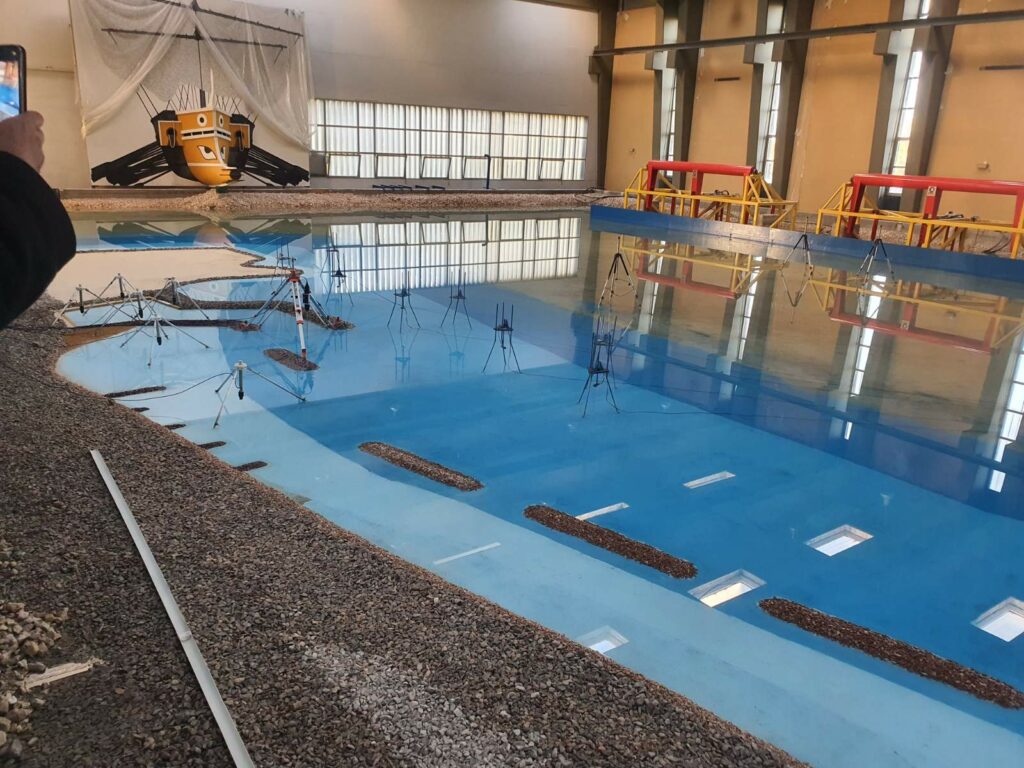
Photo: in-cyprus.philenews.com
High Costs Prompt Permanent Solutions
Data from the Public Works Department reveals that each cleaning intervention costs between €400,000 and €500,000, occurring approximately every 1.5 to 2 years. This ongoing financial burden on the state budget has emphasised the urgent need for a permanent solution that is both technically viable and environmentally sustainable.
Details of the Improvement Project
The approved project, which has been meticulously studied through an Environmental Impact Assessment Study, aims to offer a comprehensive and enduring solution to the silting issue. The total cost of the improvement works is €5.6 million, with the European Union expected to co-finance the initiative via the Maritime, Fisheries and Aquaculture Programme 2021-2027.
Technical Aspects of the Proposed Solution
The project entails the construction of new windward and leeward breakwaters, with the harbour entrance repositioned towards deeper waters. Existing structures will be demolished, and wherever possible, rock blocks will be reused. Furthermore, access corridors will be established for cleaning vehicles, which will facilitate future maintenance without the need for dredging.
The installation of pipes and channels will allow for harbour basin water renewal, complemented by the introduction of a fresh seawater system through a fountain. These measures are designed to ensure wave calm within the harbour basin, definitively address the silting problem, and ultimately reduce long-term maintenance costs.
Environmental Considerations
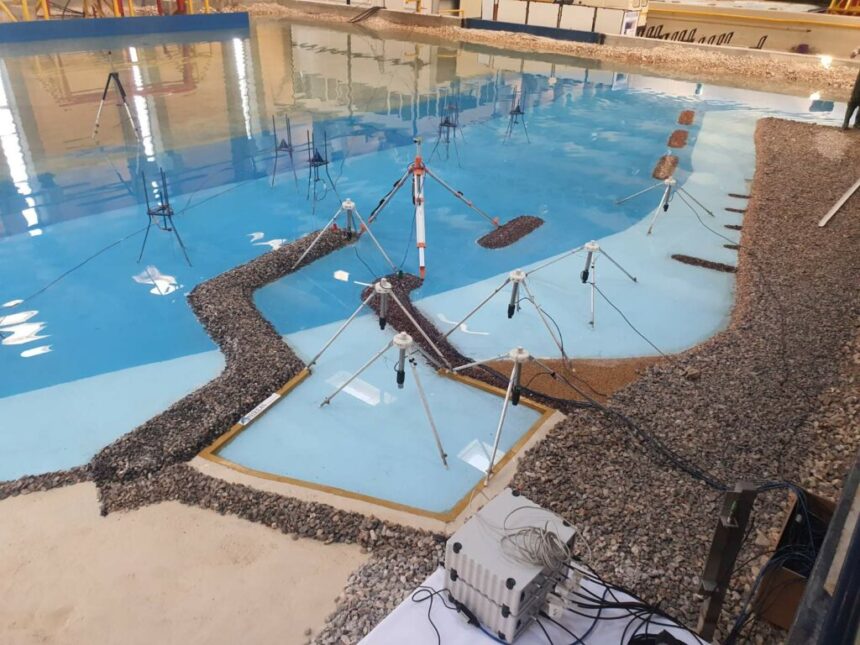
Protection of the natural environment has been prioritised in the project’s design. The environmental study includes an ecological inventory of the area, simulations of shoreline evolution, and the use of a 3D physical model for biodiversity and water flow analyses. Importantly, the project avoids extensive seabed deepening, which could disrupt sensitive marine habitats.
Future-Proofing the Infrastructure
The construction lifespan of the project is estimated at 50 years, with functional adequacy projected for 25 years. The design also includes provisions for doubling the number of berths from 16 to 30, catering to both professional fishermen and Naval and Port Police vessels. This expansion aims to enhance the operational capacity of the shelter while supporting its long-term viability.
Timeline for Implementation
The project is currently in the planning stages, with expectations for the tender process to commence soon. Completion and operational readiness are scheduled for around 2026. The Agriculture Ministry, in collaboration with the Public Works Department and the National Technical University of Athens, is already working on optimal solutions, with related studies set to conclude in 2025.
Significance for the Local Economy
Kato Pyrgos fishing shelter is a crucial element of the local economy and social cohesion in an area that is geographically isolated. The upgrades are projected to enhance vessel safety and the sustainability of the fishing profession, while also fostering tourism and environmental development in the region.
A Commitment to Long-term Solutions
President Christodoulides has made it clear that the state’s commitment to the Kato Pyrgos fishing shelter signifies a shift away from temporary fixes towards substantial, long-term interventions that respect the natural environment. This approach not only supports local fishermen but also aims to secure the area’s future as a vital hub for maritime activities.