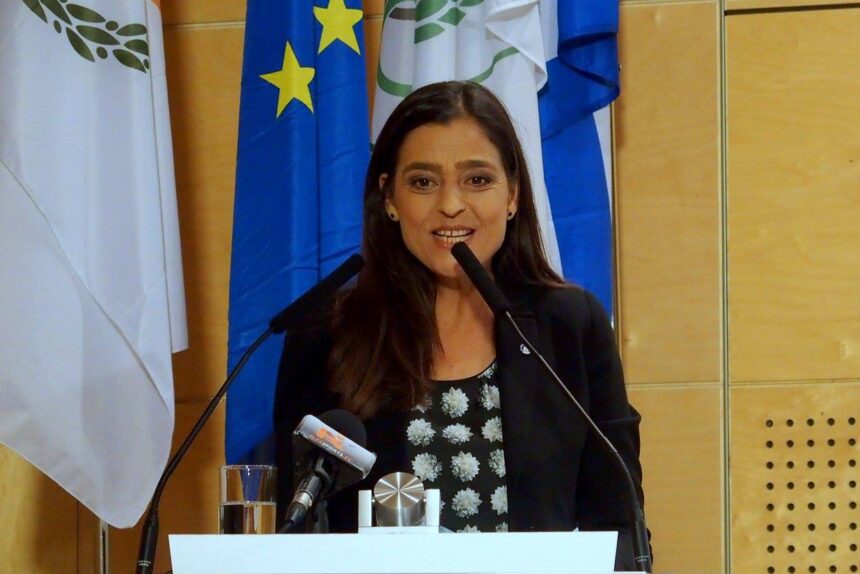
The state has allocated €27 million to support 142 voluntary organisations providing social care services in Cyprus, Deputy Social Welfare Minister Clea Hadjistefanou-Papaellina announced on Monday.
Speaking during the fifth annual dialogue with voluntary organisations, Papaellina highlighted that the funding will assist groups serving older people, children, individuals with disabilities, victims of violence, and other vulnerable demographics.
Voluntary organisations: Strengthening Social Support Networks
Papaellina emphasised that this investment demonstrates the government’s commitment to collaborating with the voluntary sector to enhance the social support network. She described these organisations as strategic partners in executing the state’s social policy and underscored their crucial role in providing care to those in need.
Dialogue as a Key Communication Tool
The dialogue serves as an essential platform for fostering communication between the government and voluntary organisations, facilitating mutual understanding and collaboration. Recent developments aimed at strengthening the sector include a comprehensive legal framework for the Pancyprian Volunteerism Coordinating Council, which promotes volunteerism and supports various organisations across the island.
Milestones in Volunteerism and Social Welfare
In January, the signing of the first nationwide sectoral collective labour agreement for social welfare institutions and community volunteering bodies marked a significant milestone in the sector. This agreement aims to improve working conditions and recognition for those involved in social care.
Looking Ahead to 2026
Cyprus is gearing up to celebrate the international year of volunteers for sustainable development in 2026, with over 300 volunteer activities planned. A special volunteering day in September will encourage newly retired individuals to share their skills within local communities, fostering a culture of giving back.
Focus on Inclusion and Accessibility
The deputy minister also mentioned ongoing reforms designed to enhance social inclusion and independent living for people with disabilities. These efforts include the national strategy and action plan for early childhood education and care for 2025-2030, enhanced child protection measures, revisions to child benefit schemes, and national strategies addressing autism, disability, and active ageing.
Papaellina reiterated the importance of voluntary organisations as essential partners for the state in building an inclusive society that provides access to quality services and equal opportunities for all citizens.