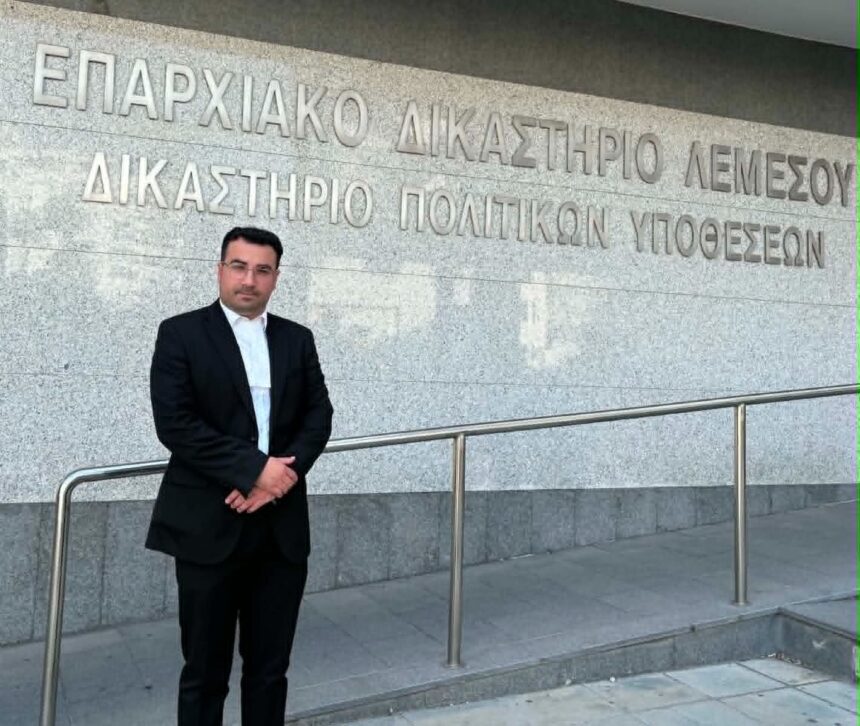
free speech — Cypriot lawyer Petros Papadopoulos is suing Meta Platforms Ireland Limited, claiming that its political advertising ban and content algorithms severely restrict political expression. The lawsuit, filed in the District Court of Limassol, challenges Meta’s policies that govern political communication within the European Union.
In his press release, Papadopoulos argues that big tech companies like Meta should adhere to higher standards regarding their influence on political discourse. He specifically points to the platform’s ban on political and electoral advertising, which he believes limits the visibility and reach of important political messages.
According to the claim, the practices employed by Meta significantly hinder the communication of political content on platforms like Facebook and Instagram, which have become essential channels for public and political discourse. Papadopoulos asserts that the reduced organic reach of his content, along with the opaque nature of Meta’s algorithmic systems, adversely affects his ability to engage with audiences on an equal footing.
The lawsuit also raises critical concerns about the transparency of Meta’s algorithms. Papadopoulos contends that the lack of information surrounding content ranking makes it challenging for users to understand why certain political posts receive less visibility or engagement. This asymmetry of information, he argues, undermines the democratic process and restricts meaningful political communication.
One of the key points in Papadopoulos’s suit is the combined effect of Meta’s advertising ban and its algorithms on political expression as a whole. He argues that these factors substantially limit the tools available for political communication, impacting not only established political entities but also independent individuals who seek to engage in discourse.
In his Facebook announcement about the lawsuit, Papadopoulos stated, “Social media giants of this scale cannot be treated merely as private companies.” He believes that such platforms must uphold the highest standards when it comes to safeguarding freedom of expression and facilitating public debate. He points to Meta’s restrictions as detrimental to pluralistic discourse, asserting that they limit the ability of users to effectively communicate politically.
The civil action, numbered 717/2026, is currently in its early stages as it awaits the service of Papadopoulos’s Statement of Claim to Meta Platforms Ireland Limited. This process could present challenges due to the cross-border nature of the claim.
“See you in court, Mr Zuckerberg,” Papadopoulos declared, emphasising his commitment to seeking justice. He believes the legal proceedings will shed light on the responsibilities of major technology firms in democratic societies and their role in facilitating or hindering free speech.