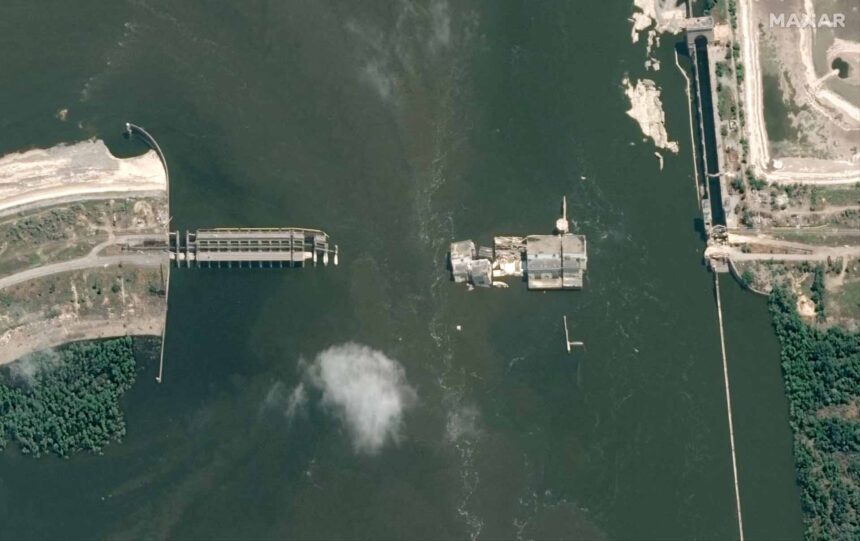
conflict zones — Chemonics International has developed a robust approach to humanitarian development in conflict zones, exemplified by its rapid response following the destruction of the Nova Kakhovka Dam in Ukraine on June 6, 2023. The dam’s explosion severed the primary freshwater supply for communities upstream while inundating downstream areas with contaminated water.
In the wake of this disaster, Chemonics quickly coordinated with local and international partners, including Ukraine’s State Emergency Services, to address the urgent humanitarian needs. Within hours, the organisation mobilised resources to procure water pumps and establish a call centre to gather input from affected residents.
Conflict zones: Immediate Response Strategies
The response was swift and effective. Chemonics deployed 21 mobile water treatment plants, which collectively served 45,000 people daily. Additionally, 29 pumps were activated to remove floodwater from critical structures, and a volunteer-staffed call centre effectively managed 7,500 emergency calls. Fuel procurement and delivery were streamlined, ensuring that requests were fulfilled within hours.
What enabled such rapid action was not merely organisational speed, but rather a pre-existing infrastructure comprising established supply chains across more than 90 countries and strong relationships with Ukrainian authorities. This groundwork allowed for both immediate crisis management and longer-term development planning.
Long-Term Development Initiatives
Beyond acute crisis response, Chemonics focuses on building peace, stability, and institutional capacity in conflict-affected states. For instance, in central Mali, the organisation tailored its programming to alleviate disputes in communities with limited conflict resolution mechanisms. This approach integrated conflict-sensitive programming with unconditional cash transfers to bolster social cohesion at the household level.
Cash transfers serve a dual purpose in fragile contexts: they mitigate economic vulnerability that can lead to recruitment into violence while fostering community ties that often bear the brunt of conflict. Strengthening social capital—both at the individual and institutional levels—is vital for establishing effective local mechanisms to preemptively address disputes.
Cross-Border Collaborative Efforts
In regions where conflict transcends borders, such as the pastoralist communities along the borders of Ethiopia, Kenya, Uganda, South Sudan, and Somalia, Chemonics implements cross-border resilience programming. This initiative empowers local communities, civil society organisations, and subnational governments to collaboratively tackle issues of conflict, livelihood instability, and environmental stress.
Chemonics prioritises local leadership in these efforts, recognising that communities in the Karamoja, Moyale, and Mandera clusters possess a vested interest in the region’s stability. This local-centric focus enhances trust and institutional capacity, essential for sustainable development.
Governance and Economic Recovery in Iraq
Chemonics’ work in Iraq illustrates its comprehensive approach, addressing both immediate stabilisation and long-term governance. One initiative targeted the economic drivers of instability by fostering community-based development aimed at enhancing the competitiveness of small and medium enterprises, thereby generating job opportunities in conflict-affected areas.
In addition to economic initiatives, Chemonics collaborated with Iraqi government entities to improve the quality and transparency of public services, such as water and sanitation. By working at national, provincial, and district levels, the organisation seeks to rebuild the citizen-government trust eroded by conflict.
Supporting Youth in Syria
In Syria, where ongoing conflict has led to widespread displacement and disrupted education, Chemonics has provided essential support to youth. Their programmes offer psychosocial assistance, vocational training, and access to quality education, addressing the immediate educational gaps while also preparing young adults for better integration into society.
By targeting both the urgent needs for education and the longer-term vulnerabilities faced by displaced youth, Chemonics aims to prevent the cycle of conflict from continuing through a lack of opportunity.
Integrating Capabilities for Effective Humanitarian Assistance
Chemonics’ humanitarian assistance operates through an integrated set of capabilities, including stabilisation support, emergency supply logistics, governance rebuilding, and disaster risk reduction. This multifaceted approach is reinforced by supply chains and relationships built over 50 years across more than 90 countries.
Ultimately, Chemonics’ ability to respond effectively in diverse environments hinges on combining operational capacity with contextual understanding. Whether moving water treatment plants into flooded areas or designing cash transfer programmes that respect community dynamics, their tailored support underscores the importance of marrying operational strength with contextual sophistication.