akrotiri wetlands — BirdLife Cyprus is sounding the alarm over an ecological crisis in the Akrotiri wetlands, demanding urgent answers from the government regarding pollution and unusual water inflows. The organisation has raised concerns that the ongoing degradation of this vital ecosystem not only threatens to breach European and international environmental standards but also poses a significant public health risk.
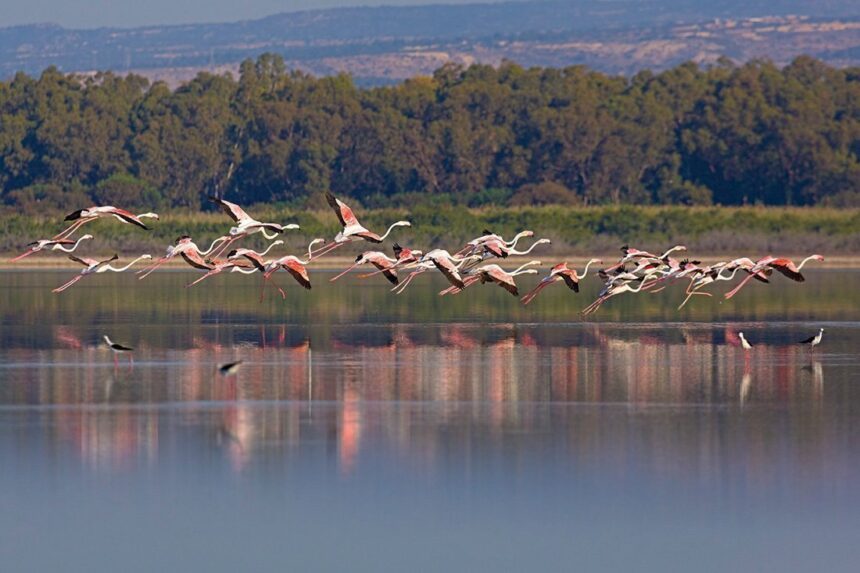
The alarming situation is starkly highlighted by a dramatic decline in the flamingo population, which has dipped to about 30 in January 2025—the lowest count recorded since systematic monitoring began in 1992. This figure starkly contrasts with an annual average of approximately 3,800 flamingos, underscoring the urgent need for action.
Despite the Akrotiri Salt Lake’s designated protection status, BirdLife Cyprus conducted field visits on 7, 11, and 24 November 2025 and found extensive areas of stagnant water emitting a strong odour during a period of drought. This troubling observation raises serious questions about potential inflows of contaminated water into the wetlands.
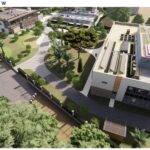
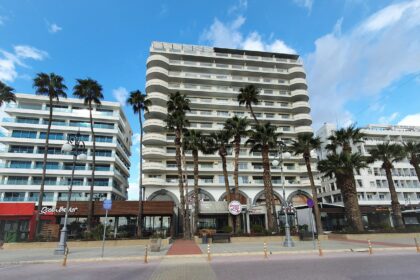
Compounding the issue, water quality measurements taken by the British Bases revealed increased levels of E. coli bacteria in the affected areas. Reports of water outflows from new construction projects further complicate the situation, severely disrupting the natural hydrological regime and filling storm drains without any rainfall. BirdLife Cyprus has suggested that recent commercial, residential, and tourism developments may have altered the hydrological balance of the surrounding catchment area.
In an effort to seek accountability, BirdLife Cyprus has submitted two official letters to Dr. Maria Panayiotou, the Minister of Agriculture, Rural Development and Environment, and Constantinos Ioannou, the Minister of Interior, on 4 April and 1 December 2025. However, the organisation claims that their inquiries have gone unanswered, with no clear action taken to prevent further pollution of the wetlands.
In light of these developments, BirdLife Cyprus has issued a call for transparency from the state, seeking answers to several pressing questions, including:
- What is the source of the abnormal water inflows at the Salt Lake and Lake Makria?
- Which permits for pumping, drainage, and water discharge have been granted, and to whom?
- Have connections from construction sites to the storm drain network received approval?
- Are the legally binding environmental terms for ongoing or completed projects being followed?
In addition to immediate investigations, the organisation is advocating for targeted restoration measures to revive the lake’s natural hydrology and water quality, in line with Cyprus’ obligations under the Water Framework Directive. Without prompt action, BirdLife Cyprus warns that the ecosystem will continue to deteriorate, leading to unpredictable consequences for both wildlife and human health.
Melpo Apostolidou, Director of BirdLife Cyprus, stated, “The Akrotiri Salt Lake presents an image of serious environmental degradation that can no longer be ignored. The water flowing in without prior rain, the odour, and the drop in the number of flamingos are clear signs that the ecosystem is in crisis. The responsible services have a duty to provide immediate answers and solutions and to ensure that all developments comply with the terms of their environmental permits. We need a full investigation, transparency, publication of data, and immediate restoration measures.”
BirdLife Cyprus is also calling for the involvement of environmental non-governmental organisations in the newly established technical committee for Akrotiri Salt Lake, advocating for transparent and informed decision-making that includes all stakeholders.