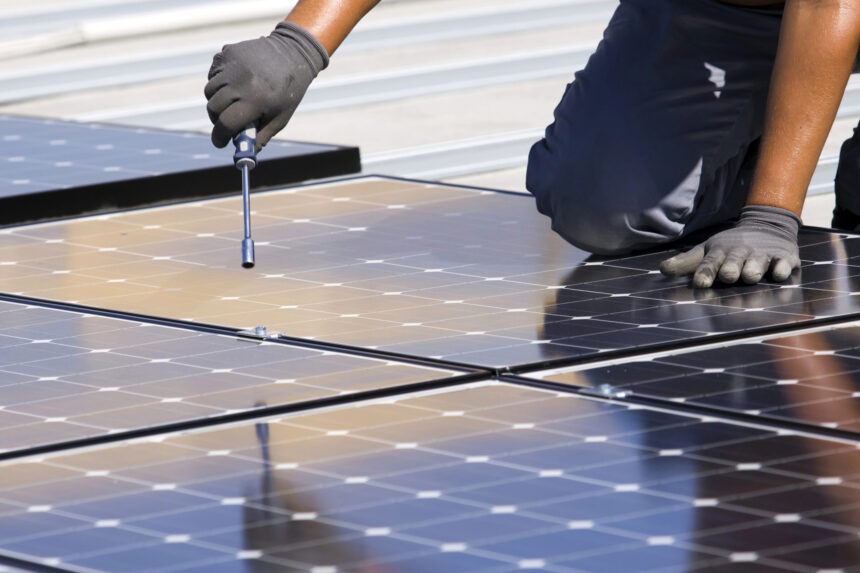
The Akel party has introduced a bill aimed at restricting solar parks on farmland and protected areas, highlighting the urgent need to safeguard arable land and conservation zones from the proliferation of these commercial facilities.
Solar parks: Proposed Restrictions on Solar Park Permits
Under the new legislation, the Akel party seeks to prohibit the granting of permits for solar parks in five specific circumstances. These restrictions are designed to prevent the encroachment of solar infrastructure into vital agricultural and environmental areas.
- Land of High Natural Value: No solar parks will be permitted on land characterised by significant natural value.
- Arable or Permanently Irrigated Land: Areas used for farming or that have consistent irrigation will be protected from solar installations.
- Irrigated Areas: Land designated for irrigation or utilised in government irrigation projects will also be off-limits for solar developments.
- Environmental Protection Zones: Any land within designated environmental protection zones will be exempt from solar park permits.
- Natura 2000 Areas: Land situated within the Natura 2000 network, which aims to protect biodiversity, will not be eligible for solar park permits.
Despite these restrictions, the bill allows farmers to install photovoltaic systems for their own use, providing a measure of flexibility for agricultural producers.
Concerns from Farmers and Local Communities
The discussion surrounding solar parks has been ongoing in parliament for several years, with farmers from the Famagusta and Paphos districts expressing increasing frustration. They argue that the rapid expansion of solar parks has compromised agricultural viability, with many pastures being lost to these developments.
According to Akel MP Yiannakis Gavriel, the scale of the issue is significant. He reported that solar parks currently operating in the Famagusta area generate a total of 58 megawatts (MW). Furthermore, permits have been approved for an additional 408 MW, which raises concerns about the potential impact on local farming.
“To grasp the magnitude of these numbers,” Gavriel emphasised, “today the total installed power from renewables projects across Cyprus comes to approximately 900 MW. These numbers foreshadow the devastating consequences of implementing all these projects, consequences not only on farming but also the development of the impacted municipalities and communities.”
Pendng Applications and Future Implications
As of now, there are around 100 applications for commercial solar parks awaiting approval. This backlog adds to the anxiety among local farmers and residents who fear that the unchecked growth of solar parks could further disrupt their livelihoods.
The Akel party’s proposed legislation represents a significant step towards addressing these concerns, as it seeks to balance the need for renewable energy with the imperative to protect agricultural land and ecosystems. The bill has been met with a mix of hope and scepticism from various stakeholders.
The Road Ahead for Renewable Energy in Cyprus
The introduction of this bill could signal a shift in how Cyprus approaches renewable energy projects, particularly in areas where agricultural and environmental concerns are paramount. As the government grapples with the need for sustainable energy sources, finding a middle ground that satisfies both energy demands and agricultural needs will be crucial.
While the push for renewable energy is essential, the Akel party’s proposal highlights the importance of ensuring that such initiatives do not come at the expense of vital farmland and natural habitats. A balance must be struck to ensure that Cyprus can achieve its renewable energy goals without sacrificing its agricultural heritage and environmental integrity.
The debate surrounding this bill will likely intensify as stakeholders from various sectors weigh in on the implications of restricting solar parks. The outcome could shape the future landscape of renewable energy in Cyprus, influencing not only energy policies but also the livelihoods of those who depend on the land.