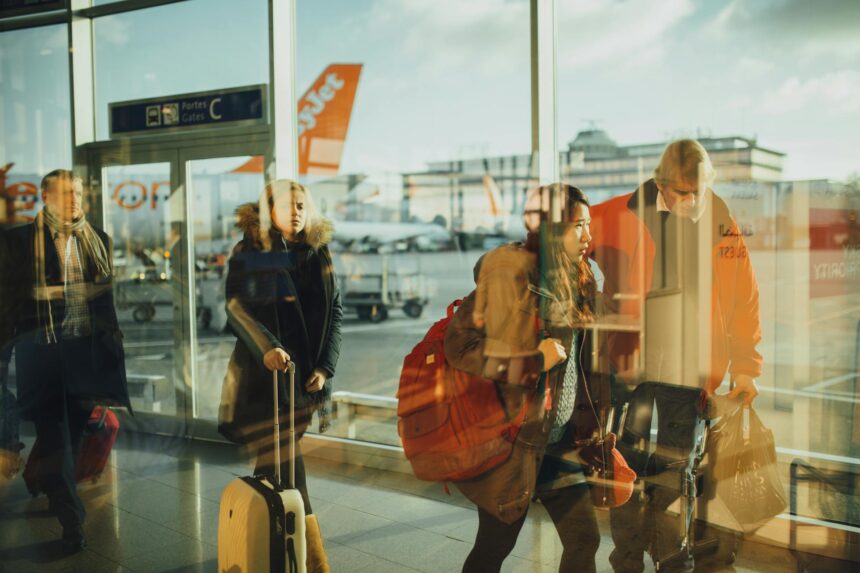
Air traffic delays in Europe have surged dramatically over the last decade, impacting countless travellers and creating chaos in the skies. According to a report from the International Air Transport Association (IATA), these delays have more than doubled, rising by a staggering 114% from 2015 to 2024. In contrast, the number of flights has only increased by 6.7% during the same period, highlighting a severe imbalance in the air traffic management system.
Air traffic: Getting There: Navigating European Skies
For many travellers, Europe represents a hub of connectivity with its extensive air network. However, the experience of flying can be marred by the growing delays. Major airports in France and Germany account for over 50% of all air traffic control-related delays across the continent. If you’re planning a trip, consider flying during off-peak times or using less congested airports to improve your chances of on-time departures.
The Best Time to Fly
To minimise the impact of delays, timing is crucial. The summer months, particularly July and August, are notorious for congestion, with nearly 38% of delays occurring during this period. Travellers seeking a smoother experience might want to consider flying during the shoulder seasons of spring or autumn when the skies are less crowded and the chances of delays are lower.
Budget Tips for Travellers
With the increase in delays comes additional costs—missed connections, rebooked flights, and long waits at the airport. To counteract these expenses, consider the following budget tips:
- Book Flexible Tickets: Opt for tickets that allow changes without hefty fees. This flexibility can save you money if delays strike.
- Travel Insurance: Invest in travel insurance that covers delays and cancellations. This can provide peace of mind and financial protection.
- Monitor Flight Status: Use apps or websites to keep track of your flight’s status in real time. Being informed can help you make quicker decisions.
What to See: Exploring Europe Amid Delays
Despite the frustrations of air traffic delays, Europe offers countless experiences worth your time. If you find yourself waiting due to delays, consider exploring local attractions near the airport. For example:
- Paris Charles de Gaulle Airport: Just a short train ride away, the bustling city of Paris offers iconic landmarks like the Eiffel Tower and the Louvre.
- Frankfurt Airport: Visit the nearby Palmengarten, a beautiful botanical garden, to unwind amidst nature.
- Amsterdam Schiphol Airport: Take a quick trip to the city centre to admire the canals and sample local cuisine.
Understanding the Causes of Delays
Many of the delays can be attributed to persistent capacity limitations and staffing shortages within the air navigation service providers (ANSPs). IATA’s Director General, Willie Walsh, has pointed out that these issues have been recognised for years but remain largely unaddressed. Staffing-related delays alone have risen by over 200% since 2015, creating a backlog in air traffic management.
Planning Ahead: Booking Tips
When booking flights, keep in mind the potential for delays. Here are some strategies to improve your travel experience:
- Early Mornings or Late Evenings: Flights during these times tend to be less congested, which might reduce the likelihood of delays.
- Direct Flights: Whenever possible, choose direct flights. Layovers can increase the risk of missing connections due to delays.
- Check for Alerts: Sign up for alerts from airlines regarding any changes or delays for your flight.
Local Etiquette for Travellers
As air traffic delays continue to affect passengers, it’s essential to maintain a sense of patience and understanding. When facing delays:
- Stay Calm: Understanding that delays are often out of your control can help you stay composed.
- Communicate Respectfully: If you need assistance, approach airline staff politely. A friendly attitude can often lead to better service.
- Be Prepared: Bring snacks and entertainment for longer waits, as airport facilities can be stretched thin during peak delays.
Looking Forward: The Future of Air Travel in Europe
While a slight improvement is anticipated in 2025, it is expected to follow a challenging year in 2024. The promise of a Single European Sky aimed at reducing delays and improving efficiency remains largely unfulfilled, with airlines adjusting schedules to counteract persistent inefficiencies. As travellers, it’s important to stay informed and adaptable to the ever-changing landscape of air travel in Europe.