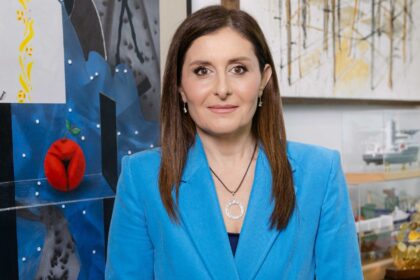
geopolitical innocence — The era of geopolitical innocence has ended, according to Eurogroup president Kyriakos Pierrakakis, who voiced concerns over the escalating crisis in the Middle East. Speaking at the annual forum of the European Investment Bank Group (EIB) in Luxembourg, he highlighted the significant uncertainties facing Europe as a result of this unfolding situation.
Pierrakakis described the current developments in the Middle East as “unprecedented and deeply worrying”, emphasising that their duration will directly impact Europe. “What is unfolding constitutes an unprecedented and deeply worrying crisis, placing significant pressure on an already fragile international order,” he noted.
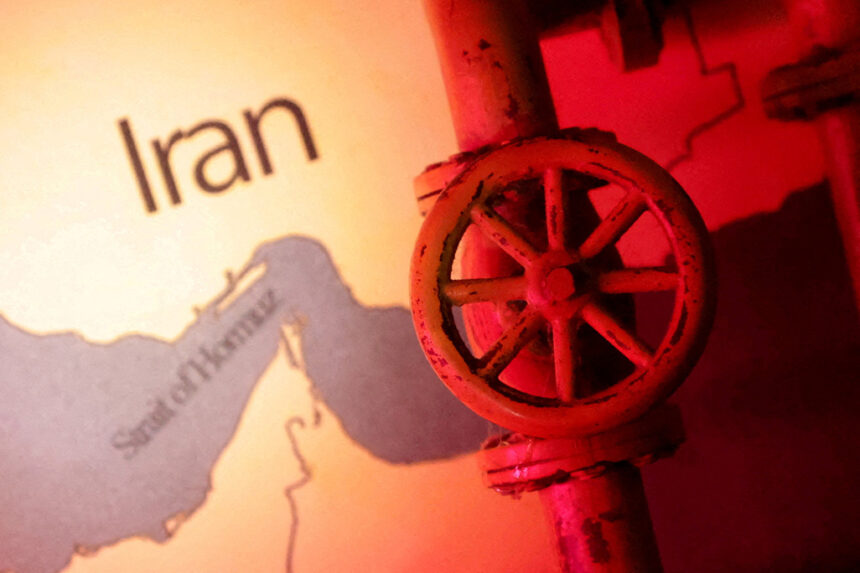
He pointed out that instability in this vital region has immediate ramifications for global energy flows and crucial trade routes. “The Middle East lies at the core of global energy flows and critical trade routes,” he explained, warning that crises in this area lead to rising energy prices and increased transport and insurance costs.
As the situation evolves, Pierrakakis stressed that the full scale of its impact will become clearer depending on how long the unrest lasts. He stated, “That is where the real effects on maritime transport, supply chains and investor confidence will become visible.” He underscored the urgency of addressing these challenges, asserting that in times of crisis, “time is never neutral.”
Transitioning to a broader strategic perspective, he asserted that European sovereignty has become essential for economic survival and institutional strength. “There is a clear sense of urgency, with full understanding that, in times of crisis, time is never neutral,” he reiterated, calling for strategic autonomy and resilience amid ongoing geopolitical shocks.
Pierrakakis highlighted that Europe possesses the necessary tools to navigate these turbulent times. He encouraged a swift and coordinated approach to bolster European capacity and reaffirm its strategic strength. This involves not only addressing immediate crises but also tackling internal economic challenges.
He acknowledged that Europe is not lacking in ideas, talent, or savings, but rather in the scale needed to transform these resources into innovation. His remarks included a call for the long-overdue Savings and Investment Union, which he described as a structural reform that Europe has postponed for too long.
Furthermore, he discussed the role of the European Investment Bank and the European Investment Fund, stating they serve not merely as lenders but as builders of European capacity, helping to mitigate investment risks in uncertain markets. Pierrakakis declared, “In other words, the EIB Group is one of the few institutions with the legitimacy and credibility to bridge European savings with Europe’s need for scale.”
On the topic of digital finance, he expressed that it signifies a structural transformation in the capital raising, allocation, and supervision processes. Pierrakakis stated, “Digital finance is not a marginal upgrade. It is a structural transformation in the way capital is raised, allocated, settled and supervised.” He believes that if successful, digital finance can significantly enhance Europe’s economic landscape.
He elaborated on the potential of digital finance to connect savers with innovators, small businesses with large capital, and national markets with a unified European market. This, he argued, could fortify Europe’s strategic autonomy, lower the cost of capital, and finance innovation at scale while ensuring the stability and credibility of the financial system.