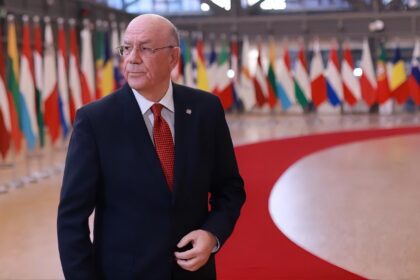
The election costs per MP for the upcoming parliamentary elections have been set at €30,000, which includes a base limit of €25,000 for campaign expenses and an additional €5,000 for personal expenses. This decision was confirmed by Elikkos Elia, the permanent secretary of the interior ministry, during a briefing on Tuesday.
- With the implementation of these measures, the interior ministry hopes to foster a more transparent electoral environment, ultimately enhancing public trust in the political system.
Election costs: Guidelines for Candidates
Elia stated, “Exceeding the amounts determined by law results in a fine equal to the amount of the excess.” These rules aim to ensure fair play and transparency in the electoral process. Candidates have been informed of these limits as early as December, with clear instructions to relay this information to their running MPs.
Timeline for Spending
The formal spending limits come into effect three months prior to the elections, officially starting on Tuesday leading up to the election date of May 24. Elia noted, “We don’t provide any funding; we just put a limit to the funding the parties are legally allowed to use for electoral campaigning.”
Funding Sources for Political Parties
While the interior ministry does not allocate direct funding for election campaigns, parties with elected seats in parliament can use parliamentary funds to support their candidates’ costs. These funds are distributed according to the number of seats each party holds. Established parties that nominate candidates for all 56 seats in the House can spend up to €1.4 million, considering the maximum allowance for personal expenses.
Candidate Requirements
Every candidate is legally required to appoint an election agent, who can be the candidate themselves, and must submit a declaration of election expenses detailing their spending during the pre-election period. This report must then be published in two daily newspapers or on the candidate’s website, reinforcing the call for transparency in the election process.
Number of Parties and Candidates
As of now, there are 26 parties registered in the Republic, with three additional parties awaiting approval. The final number of parties and independent candidates participating in the elections will be confirmed by May 6, which is the deadline for submitting candidate names.
Voter Registration Details
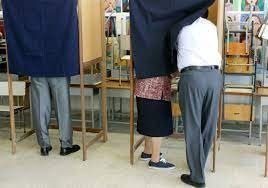
The elections are scheduled for May 24, with April 2 set as the final registration date for eligible voters. All citizens aged 18 and over, who have resided in Cyprus for at least six months, are eligible to vote. Young voters who will turn 18 by election day also have the right to register.
Turkish Cypriots holding a Cypriot identity card and registered at an address in the Republic are similarly entitled to vote. For those aged 25 and under, registration can also be completed electronically. Paper applications are available at district administration offices, citizen service centres, and post offices, with forms accessible online and at the interior ministry.
Encouraging Voter Participation
The ministry has taken proactive steps to increase voter registration, including sending letters to individuals aged 18 and above. As of early January, 561,252 citizens had registered to vote. Those yet to register can do so via the government’s website, ensuring they are eligible to participate in the upcoming elections.
Implications of the Spending Cap
This spending limit is part of a broader effort to promote transparency and accountability in political financing within Cyprus. However, the legislation lacks a clear definition of what constitutes campaign-related and personal expenses, which may lead to challenges in enforcement and compliance among candidates.
As the election date approaches, both candidates and voters are urged to remain informed about the regulations and their rights, ensuring a fair electoral process. The limits set on election costs for MPs are designed to level the playing field, allowing for greater participation from diverse candidates and political parties.
With the implementation of these measures, the interior ministry hopes to foster a more transparent electoral environment, ultimately enhancing public trust in the political system.