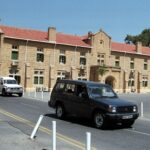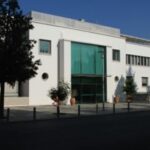
cyprus landscapes — cyprus landscapes — The exhibition titled Agropoetics: soils/bodies highlights the intricate relationship between humans and the Cypriot landscape. Located in the heart of the old town of Nicosia, the Museum of Modern and Contemporary Art (formerly known as the SPEL building) is hosting this compelling showcase as part of Cyprus’ EU Presidency cultural programme, running until June 30.
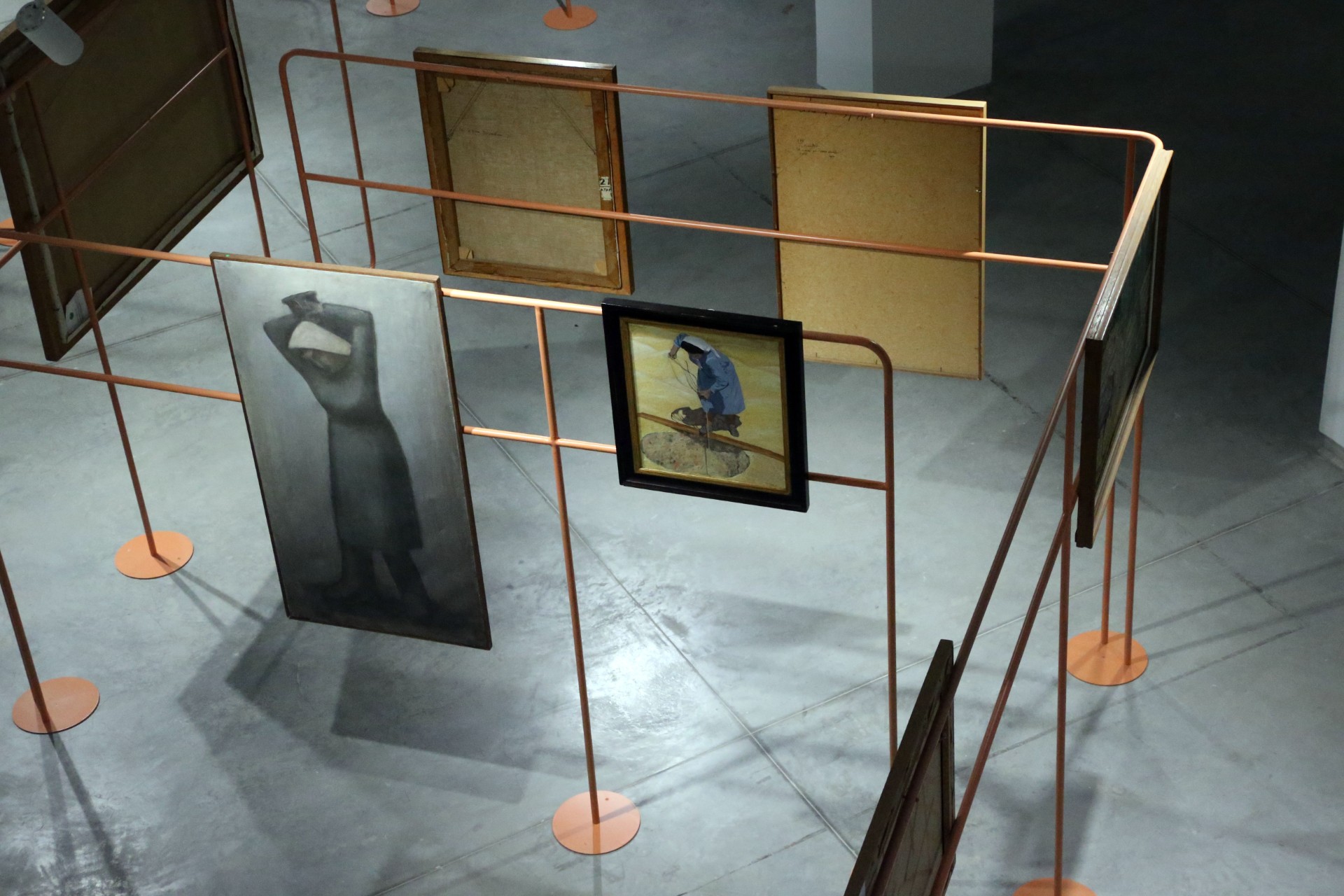
Photo: cyprus-mail.com
On a quiet, cloudy weekday morning, the museum invites visitors to explore various interpretations of landscape through the lens of both historical and contemporary artists. Curator Dr Elena Parpa passionately explains that the exhibition delves into how our connection with the land is expressed through art. “This exhibition is about our relationship with the Cypriot landscape,” she states, guiding visitors through a collection that spans state, municipal, and private collections.

Photo: cyprus-mail.com
Cyprus landscapes: Artistic Reflections of Cyprus
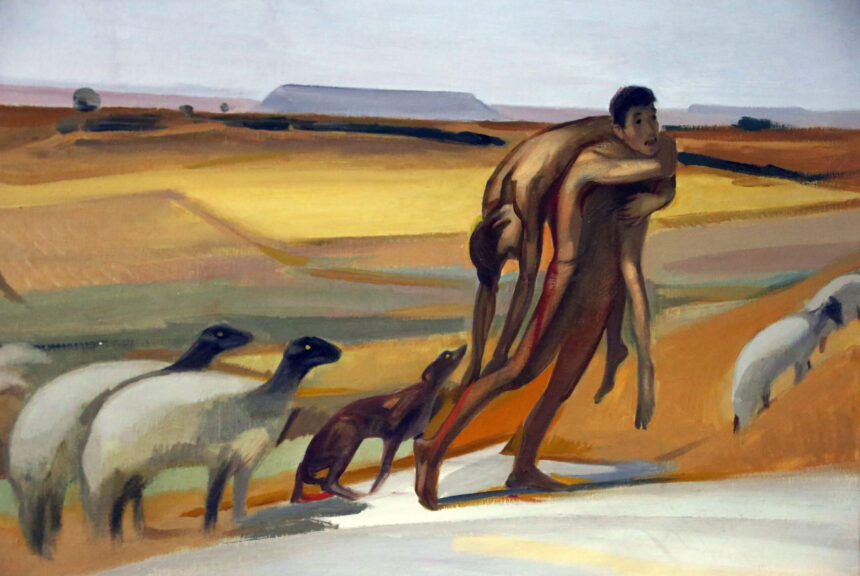
The exhibition opens with paintings that portray the landscapes of Cyprus, featuring notable artists such as Adamantios Diamantis, Lefteris Economou, and Telemachos Kanthos. Their works capture a profound bond with the land, particularly focusing on women who not only inhabit but also cultivate the landscape. Dr Parpa notes, “We see women who dominate the landscape, but above all, they cultivate it, and look after it. Issues of care and collective labour come into play.” This theme resonates across the works of artists who, having studied abroad, returned to focus on the rural beauty of Cyprus.
Highlighting Women in the Landscape
Among the notable pieces is a work by Maria Michaelides, the only female artist featured on the ground floor, who often portrays rural women carrying pitchers. Dr Parpa emphasises the importance of these depictions, stating, “These pieces give visibility to a form of labour that is very often invisible, connected to physical effort and women in the countryside.”
The question raised in the exhibition reflects on the changing dynamics of these landscapes: “What happens now that these women are no longer here to care for it?” This inquiry seeks not to romanticise the past but to acknowledge it and encourage a more meaningful relationship with nature.
Contemporary Perspectives on Landscape
As visitors ascend to the upper levels of the museum, they find contemporary artists reinterpreting the concept of landscape through themes of identity, territory, and ecology. Turkish-Cypriot artist Günay Güzelgün, for instance, explores memory as a facet of landscape. Having fled her village during the unrest of the 1960s, her work reflects a longing for her roots, as she returns to her village through her art.
Innovative Artworks and Collective Experiences
The exhibition feels cohesive, with each piece contributing to a larger narrative. For example, Fanos Kyriakides’ terracotta water bottles provide a modern twist on traditional imagery. Joanna Louca’s wall hangings, adorned with glow-in-the-dark threads, and Marina Xenofontos’ kinetic installation made from broken CD-ROMs invite curiosity and engage viewers in fresh dialogues about light and landscape.
Dr Parpa notes the significance of light in the context of Cyprus, stating, “Light becomes imperative, as the sun is to Cyprus.” The museum’s expansive windows offer stunning views of Nicosia, further emphasising the importance of the landscape amidst the artworks.
A Call to Reconsider Our Connection with Nature
Reflecting on her experiences, Dr Parpa shares, “Until recently, we were an agricultural society, and I think all of us have a grandmother who picked olives, kneaded dough, and baked bread. We all share experiences like these, so a more meaningful, close relationship with our natural environment is not as distant as we might think.” This sentiment invites visitors to consider their personal connections to the land, reminiscent of childhood memories spent with family.
The exhibition also expands beyond Cyprus, addressing broader themes of contested territories and shared memories of land, engaging with critical questions relevant to many regions. As visitors navigate through the displays, they are encouraged to reflect on their own relationships with the environment and the complexities of co-existing with nature.
As I step outside, I find myself following the yellow buttercups back to my car, a reminder of the landscapes that shape our identities and experiences. Agropoetics: soils/bodies is more than just an exhibition; it’s an invitation to explore, reflect, and reconnect with the land that nurtures us.