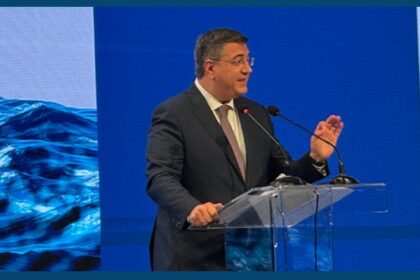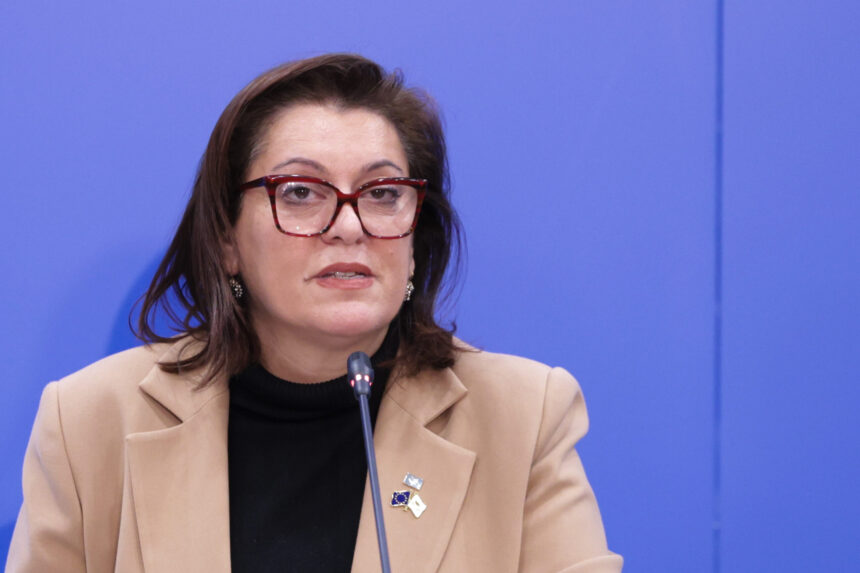
Education is at the core of the European response to the challenges of the future, as articulated by Education Minister Athena Michaelidou during a recent press conference.
- Education is at the core of the European response to the challenges of the future, as articulated by Education Minister Athena Michaelidou during a recent press conference.
Following a two-day informal summit of European education ministers in Nicosia, Michaelidou emphasised that education transcends its role as a mere labour market tool. Instead, it is a vital long-term investment in human capital aimed at fostering a competitive, democratic, resilient, and fair Europe.
Pioneering Professional Autonomy
During the summit, significant discussions revolved around professional autonomy for educators, the social recognition of teaching as a profession, and the need for stability within the education system. Furthermore, there was a strong focus on enhancing digital skills and ensuring continuous training in areas related to artificial intelligence, which is becoming increasingly relevant in today’s evolving job landscape.
A Vision for Comprehensive Education
As Cyprus embraces the Council of the European Union’s rotating presidency, its government programme aims to promote a comprehensive learner-centred approach. “Our emphasis will be on citizenship education, inclusion, lifelong learning, and strengthening competences for the digital and green transitions,” Michaelidou noted.
Boosting Mobility and Internationalisation
Another critical aspect discussed was the need to bolster mobility and internationalisation in higher education. The government also highlighted the importance of aligning upskilling and reskilling efforts with labour market demands. In line with this, the joint European degree initiative was presented as a significant advancement for students across Europe.
Introducing the Joint European Degree
The European Commission has introduced the concept of a “joint European degree,” which is described as a new type of joint qualification awarded after completing transnational bachelor, master, or doctoral programmes. This degree will be recognised automatically across the EU, providing students with a unique opportunity to study at various universities and earn a universally recognised diploma.
This initiative aims to enhance Europe’s competitiveness by equipping graduates with future-proof skills while fostering a strong sense of European identity and belonging among students. By awarding the degree jointly and voluntarily among a consortium of universities, it seeks to reinforce common academic values and strengthen ties between institutions across the continent.
Empowering Students for the Future
Students pursuing the joint European degree will benefit from increased opportunities for mobility and collaboration. This approach not only enriches their educational experience but also prepares them for the realities of a global workforce.
The discussions at the summit reflect a shared commitment among European nations to enhance education as a foundational pillar for societal progress. By prioritising education and skills development, Europe is positioning itself to meet the challenges of the future head-on, ensuring that its workforce is equipped with the necessary tools to thrive in an ever-changing landscape.