rural crafts — Rural crafts showcase sustainability across Europe, with a recent visit from a team in Kato Drys, led by Community Council president Nikos Vasiliou, to the Lisov Museum in Slovakia just before Christmas. The visit brought together delegations from Cyprus, Slovakia, and Romania, who have been collaborating since 2011 to foster rural sustainability.
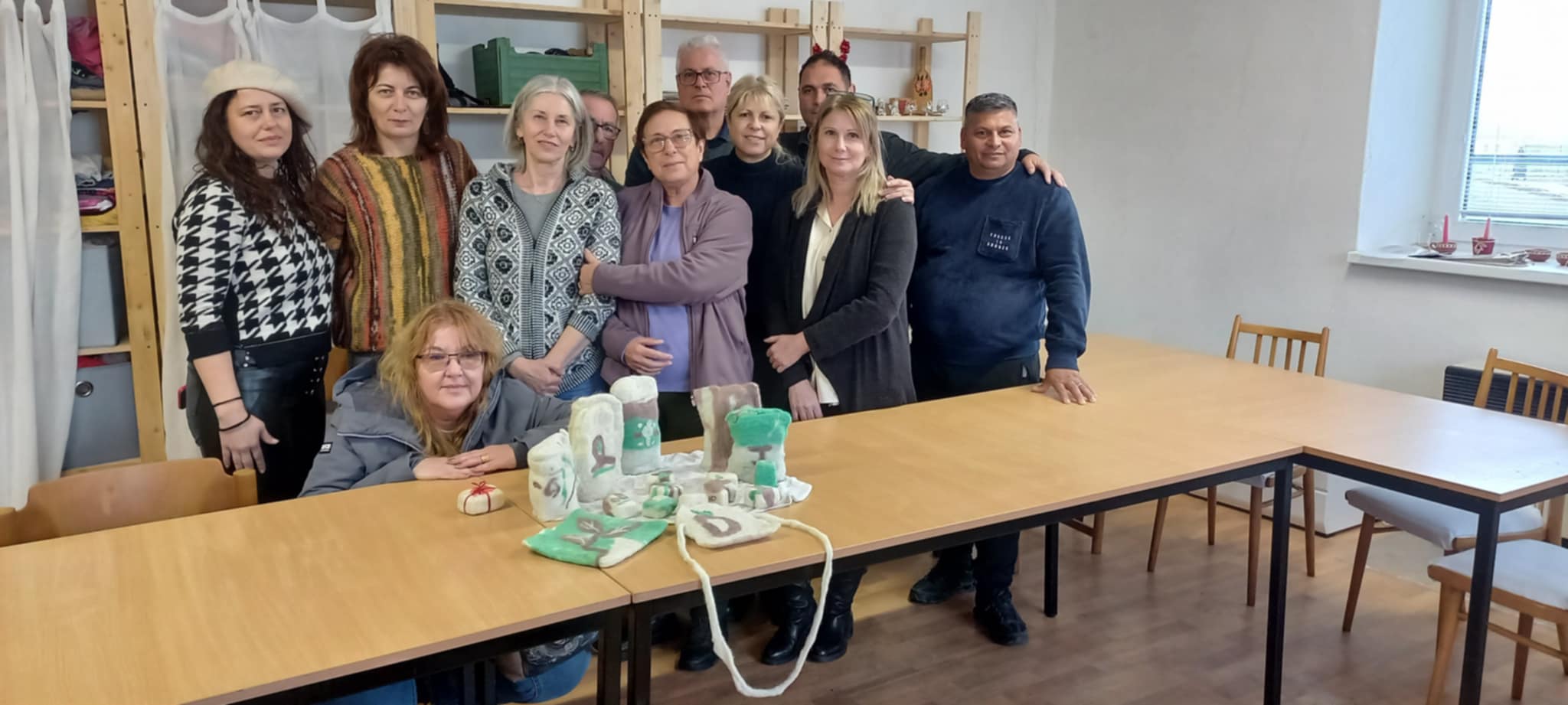
Photo: cyprus-mail.com
The purpose of the gathering was to highlight the results of an EU Erasmus Plus project titled Crafts in Rural Europe. As part of the event, attendees viewed 15 documentary films, featuring five from each participating nation. The Cypriot contribution, produced by a team led by Larnaca-based Andria Ethymiou, focused on traditional crafts and food production, showcasing Lefkara lace-making, mosaic art, tremithopittes biscuits made with terebinth seeds, silversmithing in Lefkara, and halloumi produced at Loulla’s Farm in Choirokoitia.
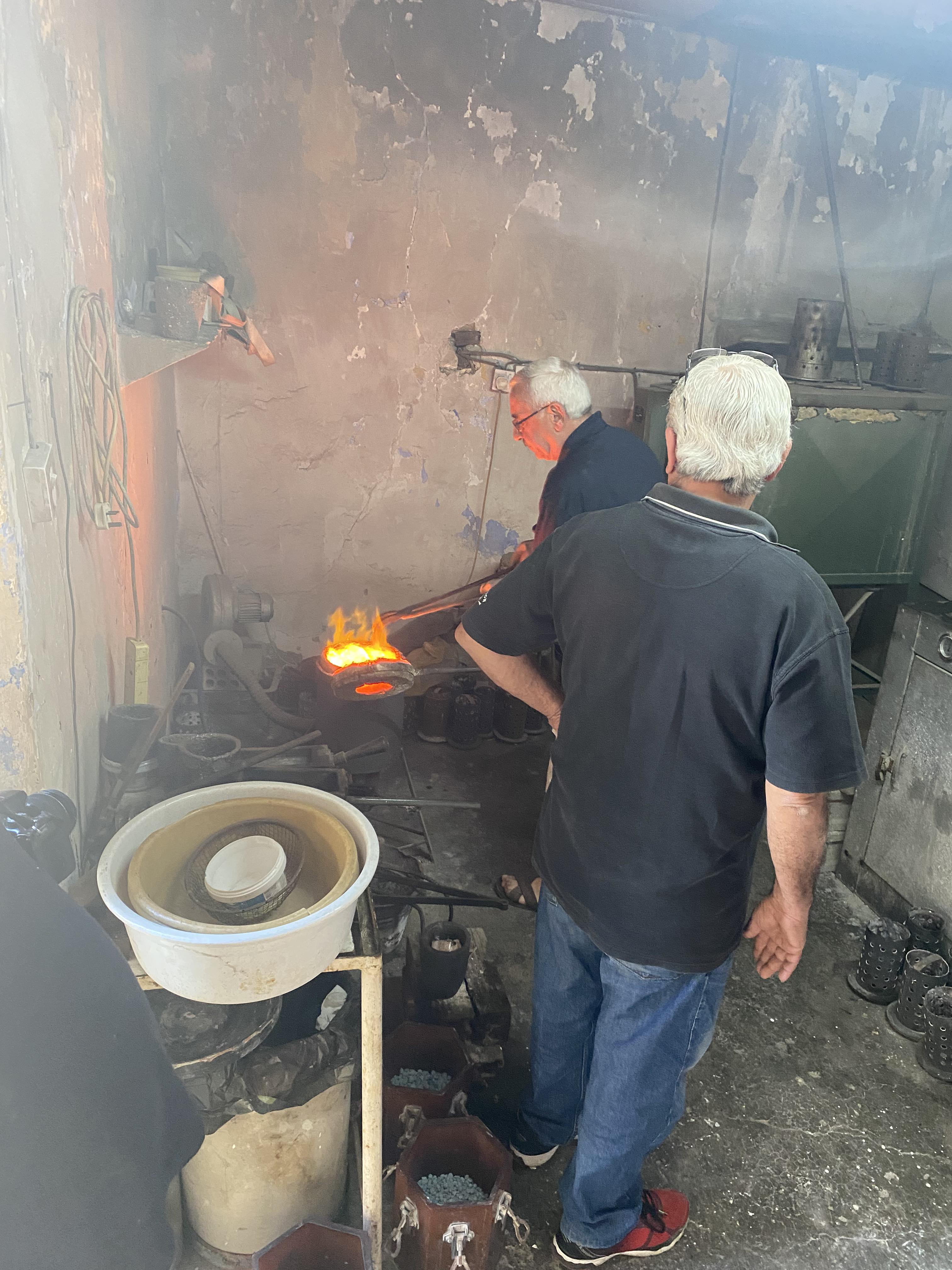
Photo: cyprus-mail.com
This initiative aims to underscore the environmental significance of crafts and handmade production while promoting the role of rural communities like Kato Drys in encouraging a sustainable lifestyle. The project emphasises the importance of local craftsmanship, which contrasts sharply with the disposable culture driven by mass production.
Rural crafts: Embracing Conscious Consumption
As consumers become more aware, many are choosing handmade and locally produced goods as a way to reject the throwaway mentality associated with fast fashion and mass manufacturing. Handmade items often boast a lower carbon footprint and represent a commitment to quality, environmental sustainability, and enduring value.
Unlike machine-made products, handcrafted goods carry the unique touch of their makers. The slight imperfections in handmade items are seen not as flaws but as marks of authenticity, reflecting the individual effort and creativity that went into their creation. This connection between maker and consumer adds a personal dimension often absent in mass-produced items.
The Value of Local Craftsmanship
Many handmade products also embody cultural and ethical values, showcasing regional heritage and supporting artisans in their craft. Purchasing these items helps sustain local economies and encourages a return to traditional practices, as opposed to feeding into large-scale corporate supply chains.
The Community Council of Kato Drys is actively working towards implementing locally driven action plans, focusing on sustainability and community engagement. While mass-produced goods offer consistency and lower prices, they often lack the emotional connection that comes with a handcrafted piece.
Insights from Slovakia
The visit to Slovakia allowed the Kato Drys delegation to observe how village craft markets, which exclusively sell handmade goods and artisan food, can create economic opportunities and strengthen community bonds. This experience highlighted the potential for local markets to drive conscious consumption and promote environmentally friendly practices.
In light of the pressing issues of biodiversity loss and climate change, there is a call for all Community Councils in Cyprus to develop action plans that protect local environments. Promoting local and handmade products is a vital step towards reversing the detrimental impacts of consumerism and industrialisation.
As society faces environmental challenges, the shift towards valuing craftsmanship and sustainable practices is more important than ever. By prioritising handmade goods, consumers can contribute to a more sustainable future.