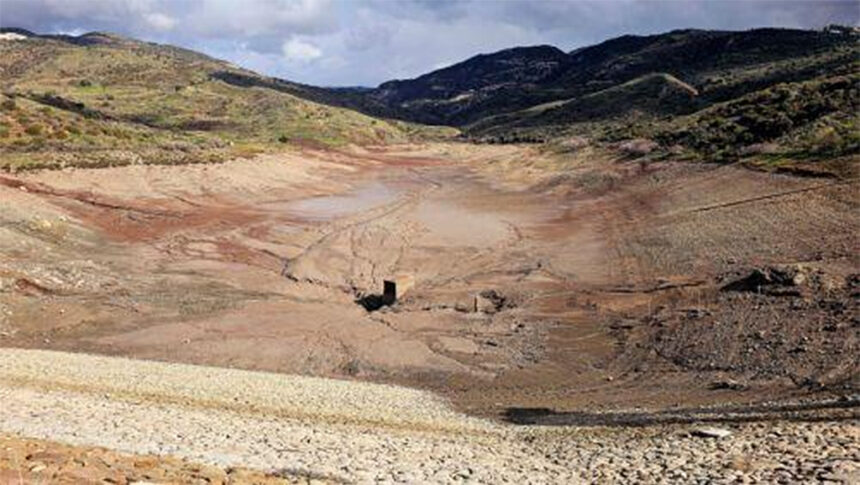
water influx — The current water influx is insufficient to replenish reserves in Cyprus, according to the Water Development Department (WDD). Despite beneficial rainfall over the past three days, more precipitation is essential for the island to emerge from its drought.
Water influx: Current Water Levels
As of Monday, the WDD reported that Cyprus’ dams hold only 34 million cubic metres of water. This figure represents a mere 11.8 per cent of the total capacity of 335 million cubic metres. The recent rainfall has contributed an additional 2.4 million cubic metres to the reservoirs, with half of this amount collected in dams located in the Paphos district.
Need for Further Rainfall
WDD senior officer Yianna Economidou emphasised the necessity for substantial rainfall to adequately fill the reservoirs. She explained that the land must first absorb moisture before any water can reach the dams. Economidou noted that rainwater flowing into the sea should not be considered a loss; rather, it replenishes underground aquifers and contributes to the water balance, serving as a natural defence against brackish water.
Investments in Water Management
In response to the ongoing challenges, the WDD is currently undertaking over €200 million worth of water management projects aimed at improving efficiency. These initiatives encompass the construction of pipelines, water treatment facilities, and irrigation systems. Economidou highlighted that while dams continue to supply drinking water, irrigation relies on recycled water and boreholes, which mitigate evaporation during the hot summer months. Additional wells are also being drilled in collaboration with the geological survey department.
Impact on Marine Ecosystems
While the WDD focuses on water reserves, the recent rainfall has also positively affected the marine ecosystem. Senior fisheries department officer Vassilis Papadopoulos stated that the volume of rain recorded in recent days is highly beneficial for coastal areas. Although his department does not measure the quantity of rainwater that flows into the sea, he noted that runoff transports essential nutrients, regulates salinity, and supports the natural renewal of marine waters.
Importance of Sediment
The sediment carried by rainfall, including fine soil particles and organic materials, plays a vital role in enriching coastal and marine ecosystems. This sediment nourishes plankton and supports the marine food chain, contributing to the health of fish populations and the overall biodiversity of the area. Increased freshwater runoff creates favourable conditions for various fish species, providing them with shelter and suitable habitats.
Protecting Coastal Areas
Rainfall also aids in the formation and maintenance of deltas, sandy beaches, and wetlands, which are crucial for protecting coastlines from erosion. By shaping seabeds and habitats, the rainfall enhances biodiversity and stabilises fish populations, ultimately contributing to the ecological balance of the sea.