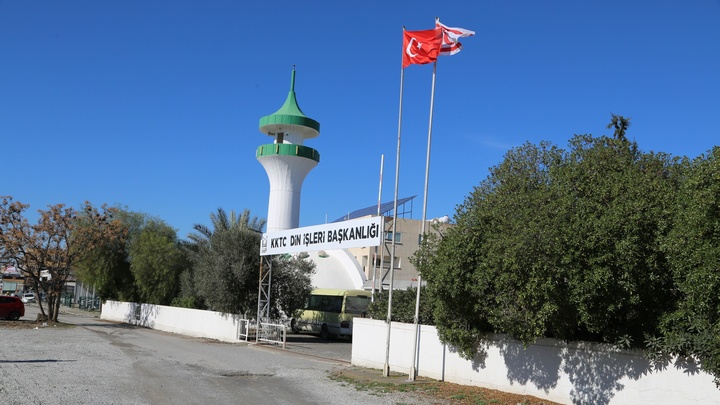
gaddafi mosque — gaddafi mosque — The minaret at a mosque in Cyprus, funded by the late Libyan leader Muammar Gaddafi, will not be demolished, according to the north’s religious affairs directorate. This statement follows the commencement of demolition work at the mosque on Tuesday.
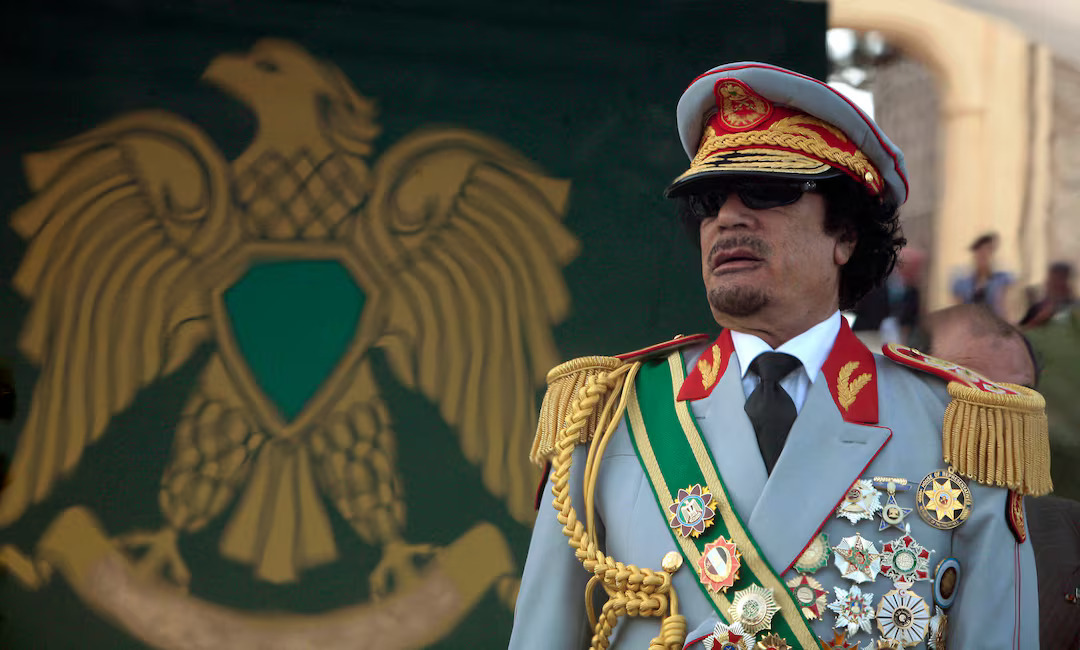
Photo: cyprus-mail.com
The directorate confirmed on Wednesday that the existing minaret will be preserved, alongside the administrative building that was also constructed with Libyan support. Only the prayer area is set to be expanded as necessary. This decision reflects a commitment to maintain significant cultural and historical elements of the site.
In its announcement, the directorate assured that all work will adhere to the current town planning regulations, cultural heritage guidelines, and foundations administration (Evkaf) regulations. The project will proceed with the approval and supervision of relevant institutions, supported by local philanthropists.
Gaddafi mosque: Historical Significance of the Mosque
Located in the suburb of Mandres, the mosque stands adjacent to the motorway linking Nicosia and Famagusta, and is near the headquarters of the religious affairs directorate. It was constructed in 1979 and features an inscription on its outer wall that acknowledges the support of the “brotherly Libyan Socialist Arab Jamahiriya.” This inscription also mentions contributions from Libyan ambassadors in Nicosia, A Zintani and Y Azzabi, and notes that the land was donated by Ali Buba, a member of the prominent Buba family in Mandres.
Plans for a New Mosque
Reports from Haber Kibris had suggested that the existing mosque was to be replaced by a larger facility, which would incorporate Cypriot architectural motifs and emphasise Cypriot identity. However, the preservation of the minaret and administrative building indicates a shift towards maintaining historical elements while potentially expanding the prayer area.
Gaddafi’s Legacy and Influence
Muammar Gaddafi ruled Libya from 1969 until his overthrow in 2011 during the Arab Spring, a period marked by significant upheaval across the Arab world. Known for his eccentric leadership style, Gaddafi’s regime was characterised by a mix of authoritarianism and populism. He made headlines for various controversial statements, including calls for the abolition of Switzerland during a United Nations general assembly and denouncing cooperation with the country as apostasy for Muslims.
His legacy remains complicated, particularly in light of his eventual downfall. After being ousted, Gaddafi was killed in Sirte, marking the end of an era for Libya. However, his influence extended beyond his borders, as seen in the funding for the mosque in Cyprus, which underscores the historical connections between the two regions.