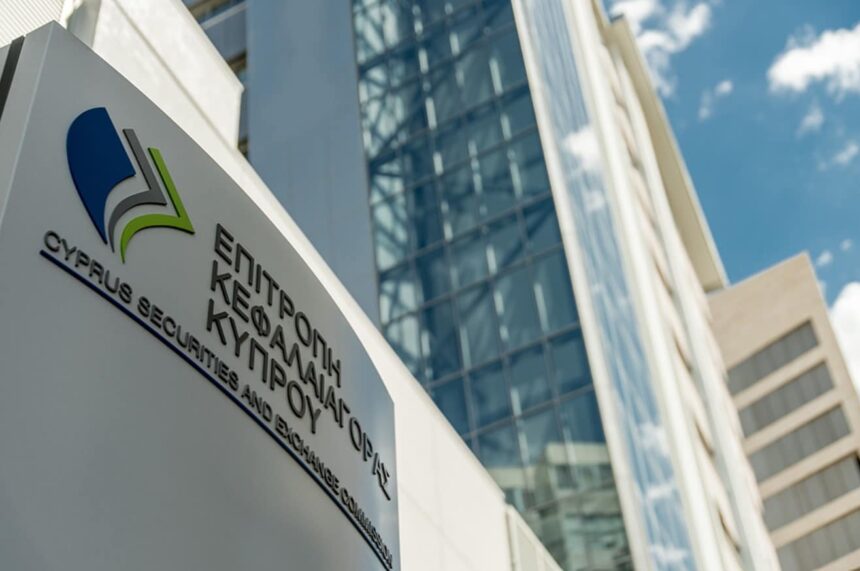
cyprus capital — The Cyprus capital market is poised for steady growth in 2026, driven by regulatory reform, technological innovation and stronger supervision, according to Panikkos Vakkou, Vice-Chairman of the Cyprus Securities and Exchange Commission (CySEC).
- He noted, “These forces are increasing both the demands placed on market participants and the complexity of supervision for regulators across Europe.”
In an article first published by Stockwatch, Vakkou highlighted that the Cypriot capital market is entering a critical transition phase influenced by European and international developments, rapid technological advances, and ongoing geopolitical and macroeconomic uncertainties.
He noted, “These forces are increasing both the demands placed on market participants and the complexity of supervision for regulators across Europe.”
Among the significant challenges facing the Cypriot market is the need for a more stringent institutional and regulatory framework. Vakkou pointed to key revisions including MiFID II, MiFIR, AIFMD II, and UCITS, alongside the introduction of MiCA and DORA. He emphasised that these changes aim to enhance transparency, strengthen investor protection, and improve digital resilience.
As new thematic areas like artificial intelligence, FinFluencers, and copy trading emerge, Vakkou stressed the importance of strict supervision and specialised expertise. He remarked, “Technology is both a catalyst for growth and a source of risk,” warning that the rise of technology-based investment products, which often carry high risks, necessitates an upgrade of supervisory frameworks.
Additionally, Vakkou pointed out that increased digitalisation has led to a rise in investor fraud, highlighting the urgent need for stricter oversight and ongoing public education initiatives. In response, the Cyprus Securities and Exchange Commission is launching its own financial literacy programmes while collaborating with ESMA and other European supervisory authorities on joint awareness campaigns.
Vakkou further elaborated on broader economic factors that may shape investor sentiment in the coming years. He noted that “geopolitical tensions, inflationary pressures, and potential interest rate changes are likely to continue influencing the market,” with energy prices remaining a particularly volatile factor.
At a pan-European level, he pointed to the increasing importance of sustainable investments and the fight against greenwashing, labelling these objectives as non-negotiable. He stressed that achieving transparency, reliable data, and meaningful integration of ESG criteria will be essential for the future of the capital market.
Despite the challenges, Vakkou maintains an optimistic outlook for the Cypriot capital market. He believes that steady economic growth, particularly in the services, technology, and energy sectors, will provide a solid foundation for this progress.
In conclusion, Vakkou stated, “By investing in human capital, cybersecurity, and digital resilience, and by leveraging technologies such as artificial intelligence and blockchain, the commission is reinforcing investor protection and market confidence for the benefit of the Cypriot economy.”