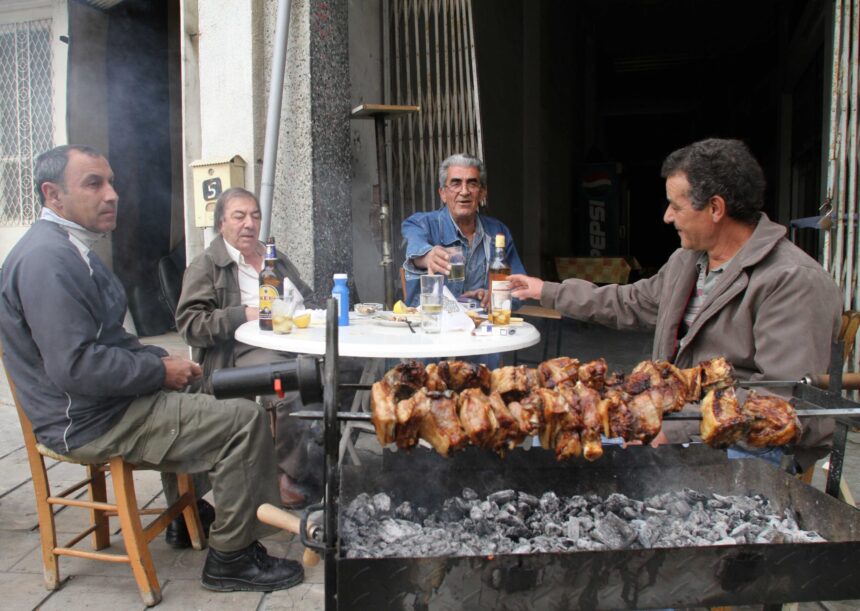
Traditional Cypriot dishes represent more than just food; they are a celebration of community and culture. For Cypriots, meals are not mere sustenance but cherished moments spent with family and friends. From long Sunday lunches to late-night gatherings at local tavernas, dining is steeped in generosity and warmth.
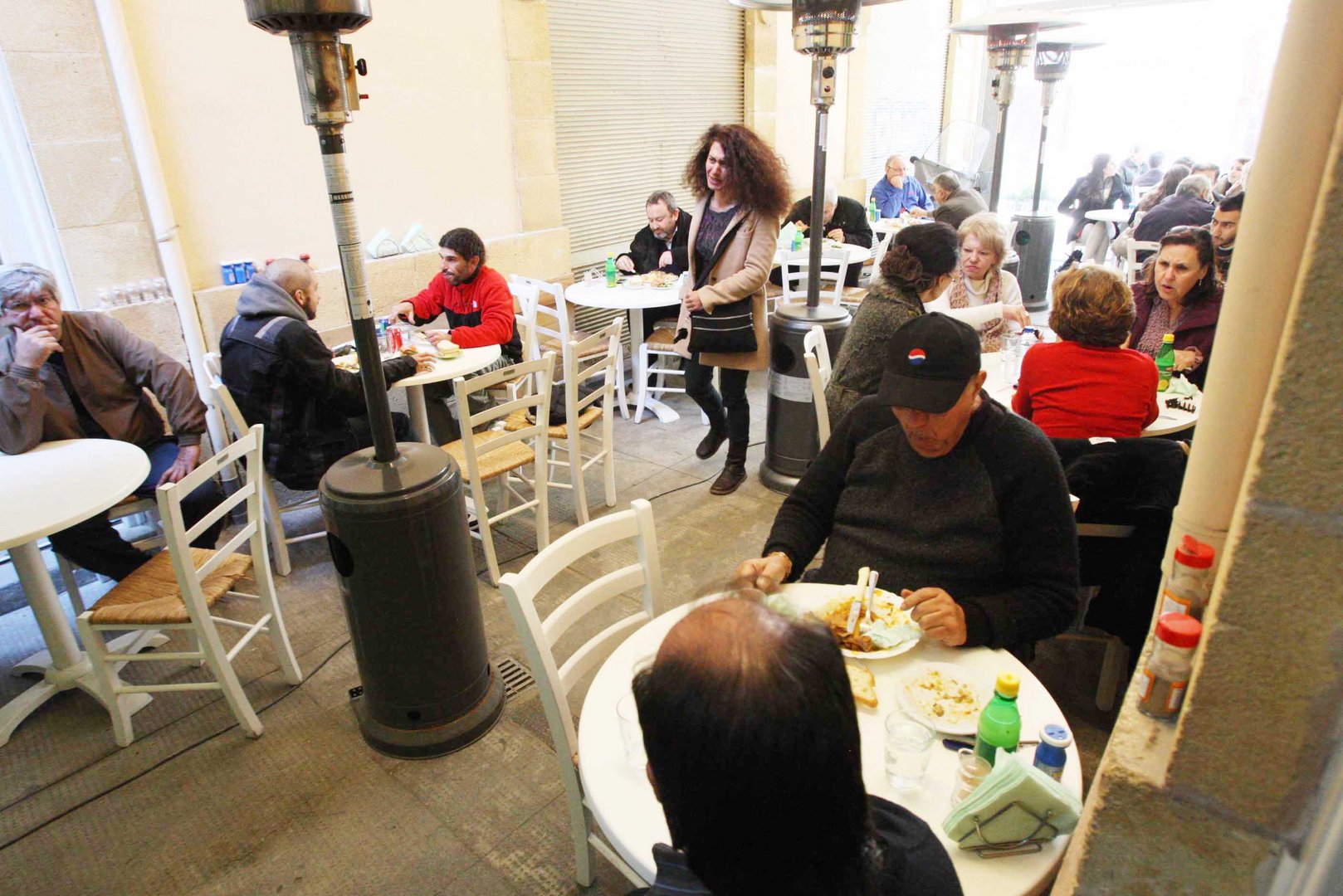
Photo: cyprus-mail.com
Traditional cypriot: The Heart of Cypriot Dining
In the Cypriot way of life, food is meant to be savoured, and the dining experience is designed to be relaxed and communal. This is especially evident when ordering meze, a selection of small plates that allows diners to share and explore various flavours together. The dishes come at a leisurely pace, encouraging conversation and connection among those gathered around the table.

Photo: cyprus-mail.com
Halloumi: Cyprus’ Most Famous Cheese
No exploration of traditional Cypriot dishes would be complete without mentioning halloumi, the island’s renowned cheese. This unique cheese, crafted from a blend of sheep’s and goat’s milk, is famous for its ability to be grilled or fried until it reaches a crispy, golden perfection. Served uncooked, it pairs beautifully with watermelon or drizzled with honey, showcasing the delightful contrast of salty and sweet. When grilled, halloumi is often enjoyed in pitta bread alongside fresh tomatoes.
Meze: A Taste of Cypriot Flavours
Meze is arguably the best way to experience the richness of Cypriot cuisine. This lavish spread includes an array of dips, such as tzatziki—a refreshing blend of yoghurt, cucumber, garlic, olive oil, and dill—alongside hummus and spicy cheese spreads. The array of flavours extends to grilled meats and vegetables, making meze an authentic representation of Cypriot gastronomy, especially in local tavernas.

Photo: cyprus-mail.com
Souvlaki and Souvla: Grilled Delights
Grilled meats are a staple in Cypriot food culture, with souvlaki and souvla being particularly popular. Souvlaki consists of small cubes of pork expertly cooked over charcoal and served in pitta with a fresh salad. In contrast, souvla features larger cuts of meat, typically lamb, which are slowly roasted on rotating spits, resulting in tender, aromatic pieces enhanced with oregano. Both dishes are integral to family gatherings and celebrations, highlighting Cyprus’s barbecue tradition.
Sheftalia: The Unique Cypriot Sausage
Among the standout traditional Cypriot dishes is sheftalia, a delightful sausage made from minced pork or lamb mixed with onion and parsley, then wrapped in caul fat. This unique preparation gives sheftalia a melt-in-the-mouth texture and deep savoury flavour when grilled. Often served alongside souvlaki in pitta bread with tzatziki and fresh salad, it embodies the essence of Cypriot comfort food.
Kleftiko: Slow-Cooked Lamb Perfection
Kleftiko is another cornerstone of traditional Cypriot cuisine, featuring slow-roasted lamb marinated with garlic, bay leaves, rosemary, lemon, and oregano. Cooked in sealed clay ovens, this dish absorbs the flavours of the herbs and its own juices, resulting in incredibly tender meat. Typically served with potatoes that have been cooked alongside the lamb, kleftiko showcases the island’s pastoral heritage.
Afelia: Pork with a Twist
Afelia is a classic Cypriot dish made with chunks of pork marinated in red wine and crushed coriander seeds. This marinade infuses the meat with a rich, aromatic flavour, with coriander adding warmth and subtle citrus notes. Often enjoyed with pourgouri or rice, afelia exemplifies the depth of flavour characteristic of Cypriot cooking.
Makaronia tou Fournou: A Family Favourite
One of Cyprus’s beloved dishes is makaronia tou fournou, a baked pasta layered with seasoned minced meat, tomato, and cinnamon, topped with a generous layer of béchamel infused with grated halloumi. While similar to Greek pastitsio, the inclusion of local spices and halloumi gives this dish a distinctly Cypriot flavour, making it a cherished choice for family lunches and celebrations.
Vegetable Dishes: Fresh and Flavourful
Cypriot cuisine also boasts a variety of vegetable dishes that highlight the island’s agricultural bounty. Gemista features tomatoes, peppers, and courgettes stuffed with a herbed rice and minced meat mixture. Koupepia, similar in stuffing, involves vine leaves wrapped around the filling and served with yoghurt. Bamies are okra slowly stewed in tomato and olive oil, showcasing the freshness of Mediterranean produce.
Zivania: The Spirit of Cyprus
No meal in Cyprus is complete without a taste of zivania, a traditional spirit known for its potency. Made from fermented grape pomace, zivania embodies the rich winemaking heritage of the island. Often distilled in small copper stills, it is enjoyed as an accompaniment to meze dishes. Historically, zivania has served as a natural remedy, showcasing its versatile role in Cypriot society.
Frappe: The Island’s Coffee Culture
Frappe is more than just a cold coffee in Cyprus; it is a cultural ritual. Made from instant coffee, water, and ice, it is shaken until frothy and served tall with plenty of ice. This drink is meant to be savoured over conversation, reflecting both the leisurely pace of island life and the warmth of Cypriot hospitality.
Sweet Endings with Local Desserts
Traditional Cypriot desserts, such as loukoumades—deep-fried dough balls soaked in syrup—and glyko tou koutaliou, preserved fruit spoon sweets, are a testament to the island’s agricultural abundance. These treats, often enjoyed at the end of a meal, reflect the richness of local ingredients and the island’s culinary traditions.