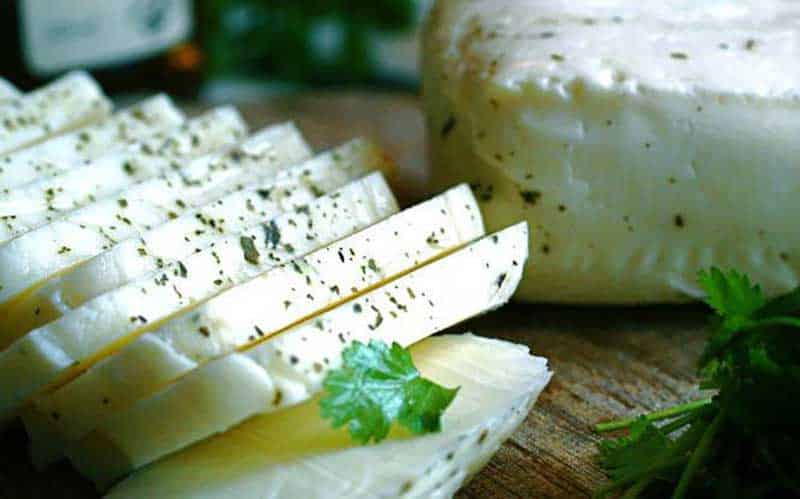
Australia has enacted a ban on halloumi imports from Cyprus due to concerns over foot-and-mouth disease, removing the island from its list of regions considered free from the disease. This decision was made by the Australian Department of Agriculture, Fisheries and Forestry and publicly announced on December 19, with immediate and retrospective effect from November 8.
The suspension of imports primarily targets halloumi, a significant export for Cyprus, which sees around 2,000 tonnes shipped to Australia annually, valued at approximately €15 million. This prohibition extends to all dairy products exported from Cyprus, as well as a total ban on meat and animal products.
Passengers arriving in Australia will also be unable to bring personal dairy items from Cyprus, and specific products like sheep and goat intestines used in local sausages will not be permitted. Moreover, farm feed and pet food containing ingredients derived from Cypriot animals are now suspended.
For goods that are currently in transit or already on the Australian market, authorities will assess them on a case-by-case basis. Items produced before November 8 may be released following inspection, while those made after this date will face destruction upon entry.
Australia’s stringent measures come in response to recent outbreaks reported in the northern part of Cyprus, specifically in Ayios Sergios and Lapithos. Authorities have confirmed quarantines of affected livestock and are actively vaccinating thousands more to contain the spread.
Despite the situation in the north, no outbreaks have been reported in the areas controlled by the Republic of Cyprus, which maintains its status as free from foot-and-mouth disease as recognised by the EU and the World Organisation for Animal Health. In the south, British bases have implemented disinfection protocols at crossing points, and local farmers have been advised to enhance their biosecurity measures.
European Commission experts are currently present on the island to conduct veterinary assessments, although they are not officially acting as inspectors. Their role is to assist in managing the outbreak and liaise with the European Commission on the situation.
In a statement to the Cyprus Mail, the European Commission expressed profound concern regarding the outbreak in Lapithos, stating they are closely monitoring the developments. They are aiding local authorities by mobilising veterinary resources and essential supplies, such as disinfectants and protective gear.
A request for an EU Veterinary Emergency Team’s deployment has been made and will be fulfilled swiftly. Immediate actions taken by authorities in the north include imposing quarantines, enforcing movement restrictions, establishing protection and surveillance zones, and culling infected herds with safe disposal methods.
With respect to the Halloumi/Hellim Protected Designation of Origin (PDO), the Commission emphasised that their priority remains the containment of the outbreak. The impact of these measures on the PDO scheme within the Turkish Cypriot community will be evaluated once the crisis is under control.
The Commission has been actively involved in strengthening animal health management capacities and training Turkish Cypriots on procedures to follow in case of disease outbreaks, ensuring alignment with EU regulations.
Attempts by the Cyprus Mail to reach the Australian High Commission for insights into the scientific rationale behind the ban and any discussions with Cypriot or EU authorities have not yielded a response at the time of publication.