In a shocking revelation, the Nicosia Central Prisons has been plagued by unresolved violence and chronic staff shortages, highlighted by the recent deaths of two inmates within a single week.
- In a shocking revelation, the Nicosia Central Prisons has been plagued by unresolved violence and chronic staff shortages, highlighted by the recent deaths of two inmates within a single week.
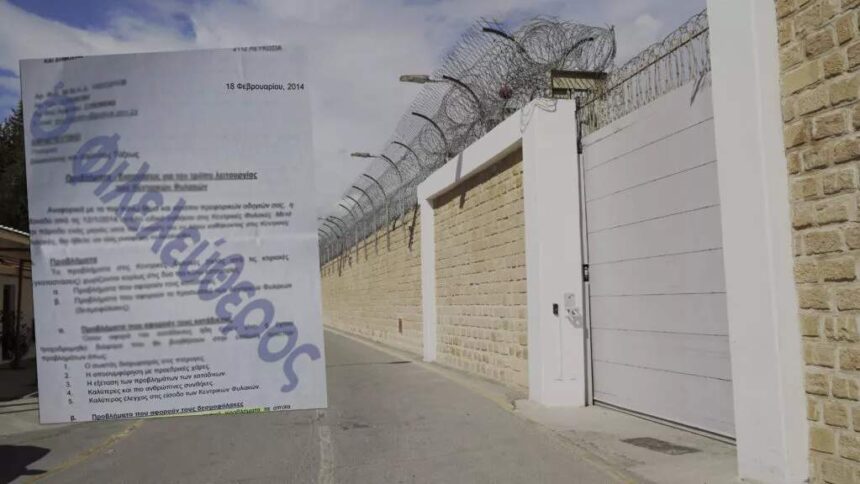
A confidential letter, dated February 2014, authored by Savvas Christou, the then commander of the Mobile Immediate Action Unit (MMAD), has resurfaced, shedding light on the dire conditions within the prison that have persisted for nearly a decade. This letter was disclosed by Phileleftheros as part of evidence in a criminal case against several prison officials, including the former director and senior staff.
Nicosia central: Warnings from the Past
Christou’s four-page correspondence was prompted by a troubling surge in prison incidents, including five suicides and a horrific case of sexual violence against a young inmate. His letter detailed critical failings at the facility, particularly its severe understaffing. He noted that diminished officer numbers hindered proper supervision, leading to an environment where violence was likely to flourish.
The lack of regular staff meetings and poor communication among personnel exacerbated the issues, with training for emergency situations reportedly non-existent. Christou described the rising tension among staff due to increased workloads, low morale, and inadequate support systems for both officers and inmates.
Current Conditions Mirror Historical Concerns
A source familiar with the current state of the Nicosia Central Prisons has indicated that many of the problems identified in Christou’s letter remain unresolved. Chronic understaffing continues to be a significant issue, with reports of staff taking sick leave as a coping mechanism. Furthermore, the mixing of light and heavy offenders within the same wings poses a serious risk to safety, undermining efforts to maintain order.
Additionally, the separation of young offenders is insufficient, leading to interactions that could further complicate rehabilitation efforts. The entry of illegal items into the prison, including mobile phones and drugs, remains a persistent challenge, raising questions about security protocols.
International Concerns Acknowledged
The European Committee for the Prevention of Torture has corroborated the findings laid out in Christou’s letter. Their recent report noted that the physical security within the prison remains a critical concern, with violence among inmates and neglect from staff reported as worsening in certain areas. The committee emphasised that the lack of frontline staff has created an environment where powerful prisoner groups can thrive, jeopardising the safety of all inmates.
The committee’s recommendations include urgent reviews of violence prevention policies at the Central Prison and the immediate recruitment and training of more frontline staff to ensure a safer environment for both inmates and staff.
Recent Deaths Raise Alarm
The recent deaths of two inmates have cast a spotlight on these ongoing issues, prompting calls for immediate action. Serious allegations of abuse within the facility have emerged, further complicating the situation. Phileleftheros previously reported directives from former police chief Stelios Papatheodorou aimed at curbing the influx of prohibited items, yet the effectiveness of these measures is now in question.
As the community grapples with these troubling developments, the upcoming trial of eight prison officials, including former senior figures, scheduled for January 30, 2026, may provide further insights into the systemic failures at the Nicosia Central Prisons. The urgency for reform has never been more evident as families, advocates, and the public await accountability for the conditions that have led to these tragic losses.