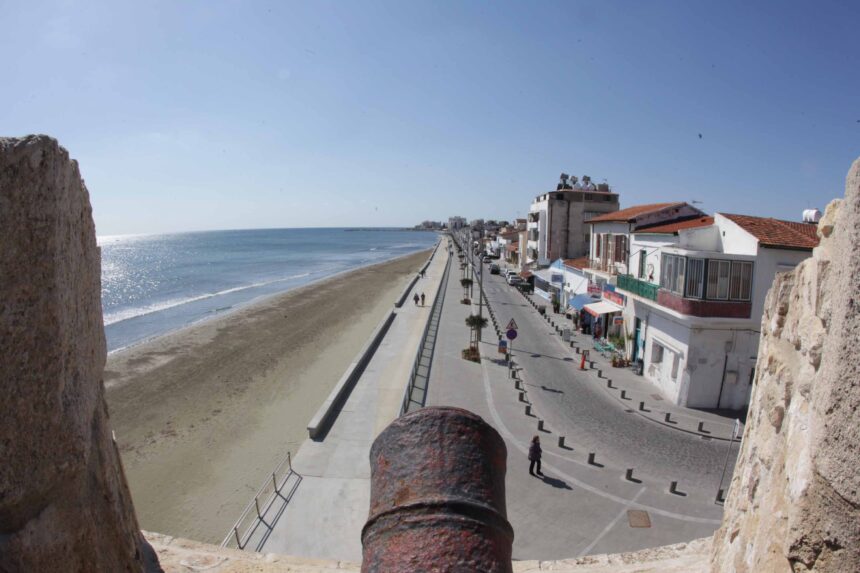
Larnaca has emerged as the European capital of culture for 2030, marking a significant achievement following a competitive selection process against Limassol. This decision was made official on Thursday, as an expert panel comprising ten members appointed by the European Commission, alongside two Cypriot experts, delivered their verdict.
European capital: Financial Boost for Cultural Initiatives
Earlier this year, the Cypriot deputy ministry made a pivotal move by increasing financial support for the cultural programme from six million to ten million euros. This enhanced funding underscores the government’s commitment to fostering cultural initiatives and ensuring that Larnaca can effectively showcase its heritage and creativity over the coming years.
Support from Local Authorities
The Nicosia municipality congratulated both cities for reaching the final stage of the competition, recognising their dedication to promoting European cultural creation and heritage. The municipality has pledged to continue its support for Larnaca, emphasising the broader significance of this title for Cyprus and European cooperation.
Limassol, while not securing the title, expressed satisfaction at reaching the final round. The Limassol municipality highlighted the enthusiasm of its citizens and the depth of its cultural offerings, which were integral to its bid.
Larnaca’s Vision and Cultural Strategy
The municipality of Larnaca expressed its excitement about the outcome, heralding a vision for a city that is inclusive, sustainable, and accessible. This vision aligns closely with the goals set forth in their application, which were rooted in enhancing community engagement and cultural participation.
Larnaca is set to share the 2030 title with one Belgian city—either Leuven, Molenbeek, or Namur—and one city from a non-EU member state. Potential candidates include cities from EU candidate states and members of the European Free Trade Association (EFTA), with bids already submitted by Lviv in Ukraine and Niksic in Montenegro.
A Historic Moment for Cyprus
This accolade marks Cyprus’ second occasion hosting the title, following Paphos in 2017, which shared the honour with Aarhus in Denmark. The announcement concludes an arduous battle between the two cities, both of which devoted considerable effort to meet the expectations set by the European capital of culture institution.
Government Backing and Tourism Growth
In the months leading up to the final evaluation, Larnaca received significant backing from the deputy ministry of tourism. Minister Costas Koumis actively promoted the city’s potential, advocating for coordinated planning, effective cooperation between private ventures and the state, and a communication strategy that reinforces Larnaca’s unique character.
Larnaca’s tourism sector has seen steady growth, currently representing a 13.4% share of national arrivals. The city boasts close to 6,000 beds across 100 accommodation establishments, indicating a robust infrastructure to support increased visitor numbers in the lead-up to 2030.
Community Initiatives and Cultural Bodies
Local cultural organisations have played a crucial role in amplifying Larnaca’s bid. The initiative Larnaca 2030 has been instrumental in shaping the city’s cultural narrative, launching a series of local initiatives aimed at revitalising urban fringes. These initiatives have included curated events featuring local artist Antonis Giarridis, who blended visual exhibitions, open studios, music, and communal dining to engage the community.
Limassol’s Competitive Spirit
Limassol mounted a determined campaign, with Mayor Yiannis Armeftis praising the dedication and enthusiasm of the Limassol 2030 team and the civic pride among residents. The city’s reputation as a cultural and economic hub formed the foundation of its bid, supported by extensive preparation and a wide network of contributors aiming to showcase Limassol’s cosmopolitan energy.
A Collective Endeavour
Larnaca Mayor Andreas Vyras described the city’s journey since launching its bid in 2022 as a “collective endeavour.” He acknowledged the fierce competition with Limassol but expressed confidence in Larnaca’s ability to deliver significant cultural value in return for this honour. The collaborative spirit that has characterised this journey is expected to continue as Larnaca prepares for its role on the European stage.
This development not only puts Larnaca in the spotlight but also reflects the potential for cultural tourism to drive economic growth in the region. The focus on inclusivity and sustainability will resonate with both local residents and international visitors, setting a precedent for future cultural initiatives across Europe.