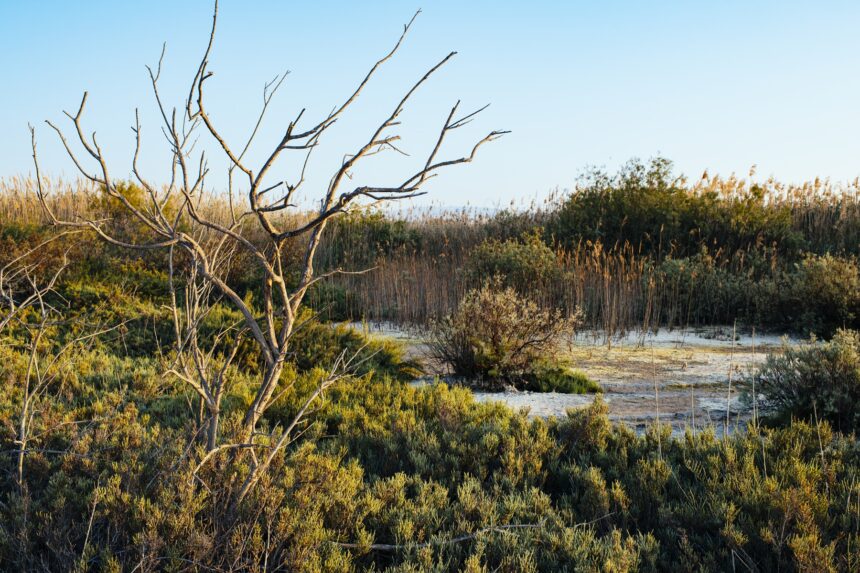
The Akrotiri wetlands are experiencing a concerning decline as development pressures mount across the northern part of the peninsula. This unique ecological zone, located at the southern tip of Cyprus, is home to vital salt-lakes, marshes, and a diverse array of migratory birds, yet it remains at risk despite its legal protections and recognised international significance.
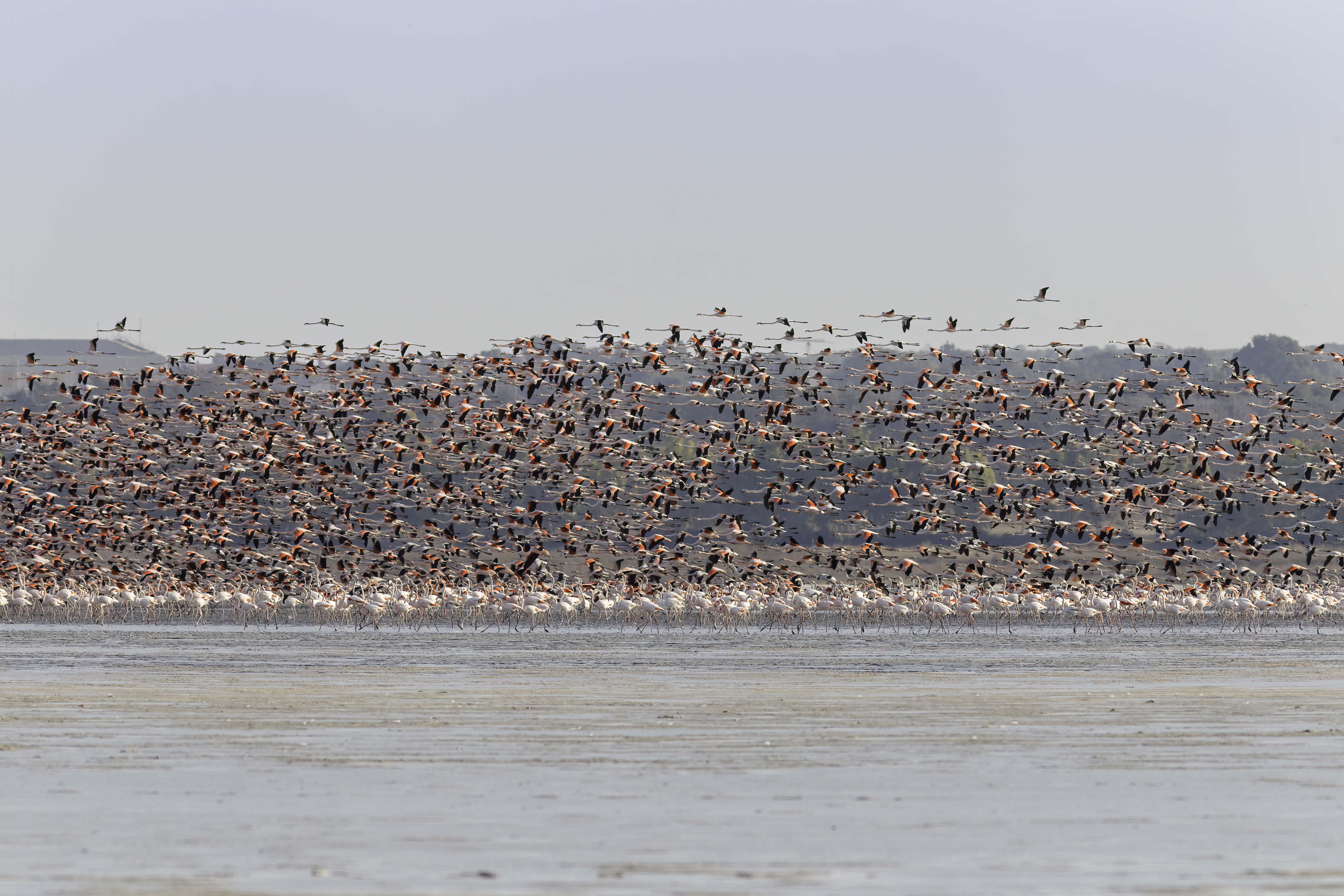
Photo: cyprus-mail.com
Ecological Importance of the Akrotiri Wetlands
The Akrotiri wetland complex has long been recognised as one of Cyprus’s most crucial natural habitats. Designated as an Important Bird & Biodiversity Area (IBA) and a Ramsar wetland of international importance, this area supports a variety of migratory birds and rare species, in addition to its unique saline ecosystems. Salt marshes, constituting only 0.5-1 per cent of all wetland types globally, are the rarest among their kind.
Development Pressures Erode Ecological Stability
In recent years, an infrastructural wave has surged across the northern part of the Akrotiri Peninsula, threatening the integrity of this fragile ecosystem. Housing estates, luxury villas, golf courses, and large-scale tourist developments, including a casino in Zakaki, are reshaping the landscape. While such developments are often presented as economic opportunities, they come with significant environmental costs.
The construction of roads and other infrastructure is disrupting the natural hydrology of the wetlands. Increased surface sealing and altered drainage channels lead to substantial changes in water quality and quantity. Reports have emerged of polluted water being illegally discharged into drainage systems connected to the Akrotiri Salt Lake and Lake Makria, raising alarms about the ongoing deterioration of the area. Despite previous fines for similar offences, national agencies have remained largely unresponsive.
The Fragile Balance of Hydrology
For the Akrotiri wetland ecosystem, maintaining the delicate balance between inflow and evaporation is crucial. A shift in this balance could have catastrophic effects, leading to loss of the unique conditions that define the wetlands. New developments and roadworks are exacerbating issues such as increased runoff of fresh water and illegal disposal of waste, which compromise the historical connections between marshes, coastal flats, and salt lakes.
The repercussions of these changes are evident: vegetation is shifting, invasive species like reeds are taking over, and habitats that once supported migratory birds are shrinking. This gradual transformation threatens the ecological complexity and resilience of the area, leading to what conservationists describe as ‘death by a thousand cuts’.
Flamingos: Indicators of Decline
One of the starkest indicators of the wetlands’ decline is the alarming decrease in the population of Greater Flamingos at Akrotiri Salt Lake. A winter survey conducted in January 2025 recorded only 30 flamingos, the lowest count since systematic monitoring began in 1992. In contrast, the lake typically hosted between 2,000 and 5,000 flamingos in a normal year, with exceptional counts reaching up to 13,000.
The sharp decline in flamingo numbers serves as a warning sign, suggesting deeper issues at play within the ecosystem. The causes appear to be multi-faceted: changes in water regimes, pollution, reduced food sources, and habitat fragmentation all contribute to the degradation of this vital sanctuary.
Challenges in Ecosystem Management
The ongoing neglect of the Akrotiri wetlands raises significant concerns about the commitment to environmental protection in Cyprus. As development continues to overshadow ecological considerations, critical questions arise regarding the effectiveness of planning and water-management agencies. Are these bodies genuinely dedicated to preserving natural habitats, or is their focus predominantly on economic growth?
The lack of coordinated management across multiple jurisdictions complicates the situation. Effective oversight and accountability are essential to protect this ecosystem from further decline. What is urgently needed is a comprehensive approach that includes a full hydrological audit to assess changes and threats to water quality, as well as stricter regulations on development and pollution control.
Calls for Immediate Action
To safeguard the Akrotiri wetlands, immediate and concerted action is required. This includes halting polluted inflows, conducting thorough assessments of hydrological changes, imposing stricter development controls, and enhancing pollution monitoring. Additionally, there must be a unified management strategy among the various authorities responsible for the area.
Engaging the public and raising awareness about the value of the Akrotiri wetlands is also crucial. Recognising this ecological treasure as a vital national asset that contributes to flood protection, recreation, and tourism could foster greater appreciation and support for its preservation.
Failure to take decisive action now could result in irreversible damage to the Akrotiri wetlands. If allowed to decline further, the loss will be felt long after the current developments are completed. Conversely, with a commitment to restoration and sustainable management, there is hope to reclaim the Akrotiri wetlands as a jewel of Cyprus.