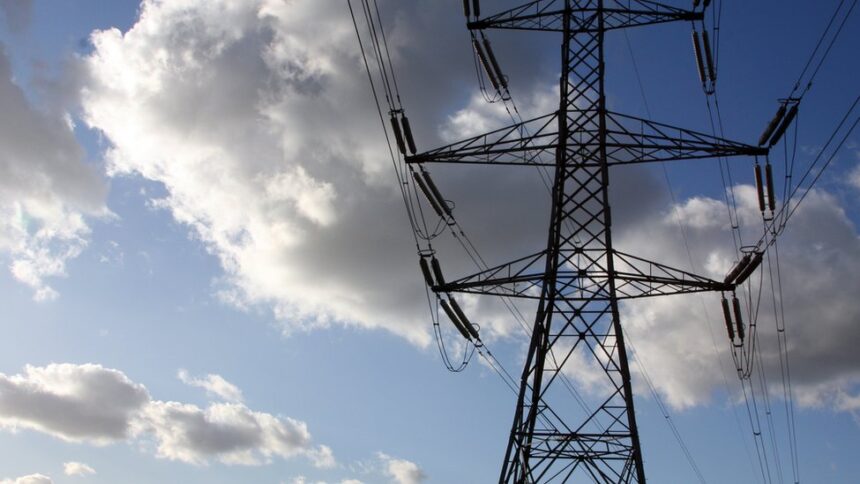
UK consumers are facing higher energy bills after the British energy regulator approved a £28 billion ($37.33 billion) investment aimed at upgrading the country’s energy grid. This substantial investment will contribute to a planned increase of £108 on household energy bills by 2031.
The recent approval, which is significantly more than the £24 billion estimated by Ofgem in July, comes despite the UK government’s ongoing commitment to reducing energy prices for consumers. Ofgem’s CEO, Jonathan Brearley, highlighted the importance of this investment, stating, “The investment will support the transition to new forms of energy and support new industrial customers to help drive economic growth and insulate us from volatile gas prices.”
Under the current regulatory framework, gas and electricity network companies are required to submit detailed project plans and cost expectations for their investments, which are then assessed by Ofgem. This structure is intended to ensure transparency and accountability in how funds are allocated, with consumers ultimately bearing the cost through network charges that currently account for approximately a quarter of an average household energy bill.
The Department for Energy Security and Net Zero voiced its strong support for the investment, asserting that these upgrades are essential for maintaining energy security and reliable electricity supply across the nation. A spokesperson affirmed that keeping the lights on is paramount as the country transitions towards more sustainable energy sources.
Major energy companies also expressed their approval of the decision. SSE, which operates Scottish and Southern Electricity Networks Transmission, welcomed the improvements made over Ofgem’s initial proposals and indicated that it would review the price control package in the coming weeks. Similarly, National Grid recognised the necessity of significant investment, emphasising that the expected demand for power transport is set to double, necessitating a robust infrastructure.
However, not all reactions were entirely positive. The End Fuel Poverty Coalition acknowledged the importance of ensuring a reliable energy supply and fostering more renewable energy generation. Yet, they cautioned against simply providing an open-ended commitment of funds to network and transmission companies, urging careful consideration of the financial implications for consumers.
This landmark decision underscores the ongoing challenges and discussions surrounding energy pricing in the UK, as the balance between necessary infrastructure improvements and consumer affordability remains a critical concern.