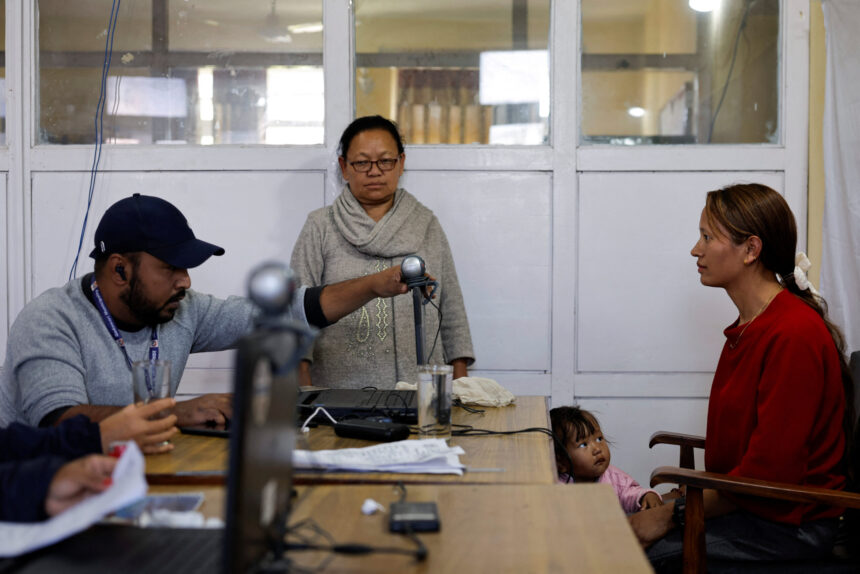
Nepalis in Cyprus are increasingly making their presence felt, with a surge of workers drawn to the island primarily for domestic roles. The deputy ministry of migration recently reported that Nepalis represent the third-largest group among the 175,677 legally resident third-country nationals, numbering about 15,607. This statistic, however, may underestimate the actual figure, as Dr Ram Jiwan Panjiyar, the honorary consul of Nepal in Nicosia, estimates the number to be closer to 20,000, surpassing the British community on the island.
The growing influx of Nepali workers has been largely motivated by economic pressures back home, where rising costs of living, particularly for food and education, have prompted many to seek employment abroad. Most of these workers are women involved in domestic work, a sector that has seen significant growth due to the ageing population in Cyprus.
While the opportunity to earn money abroad is appealing, the realities faced by Nepali domestic workers can be harsh. Reports of long working hours, inadequate nutrition, and delayed payments highlight the challenges they encounter. In some distressing instances, there have even been reports of suicides, though Panjiyar acknowledged that these numbers might be exaggerated. He noted, “We have had one or two suicides,” attributing some tragic outcomes to complex emotional issues arising from relationships.
There is a critical issue regarding the insurance coverage for those who die by suicide. Panjiyar explained that while insurance policies typically cover deaths from medical reasons and accidents, they do not cover suicides, leading to significant financial burdens for families wishing to repatriate their loved ones’ remains. In such cases, the consulate steps in to facilitate communication with the Nepali government to assist with repatriation costs.
Employment agencies play a pivotal role in connecting Nepalis with job opportunities in Cyprus, although communication with the consulate often only occurs when problems arise. Many complaints received by the consulate pertain to basic rights violations, particularly among domestic workers. “Mostly by housemaids about employers not giving proper food, not giving salaries on time,” Panjiyar detailed, emphasising that some workers are even denied medical care when sick.
Despite these challenges, the Nepali community is gradually diversifying its employment opportunities. While most workers are still in domestic roles, there is a slow but noticeable trend of Nepalis moving into sectors such as hospitality and retail. Panjiyar noted, “Now some are working in restaurants – for example cooks,” signifying a shift from traditional roles.
The motivations for leaving Nepal are deeply rooted in the country’s socio-economic struggles. With political instability, inadequate salaries, and the high costs of raising children, many see work in Cyprus as a means to support their families back home. “Nepal has political problems, economic problems, not enough salary,” Panjiyar explained, underscoring the urgency that drives many to seek employment overseas.
Cultural differences appear to take a back seat to financial needs, as most Nepalis in Cyprus prioritise work over cultural or political concerns. “They want to work and get money and send to Nepal,” Panjiyar said, highlighting the singular focus of the community on economic stability.
The consulate plays a vital role in assisting Nepalis facing issues in Cyprus. Panjiyar noted that while many workers do not disclose the full extent of their problems, the consulate is committed to providing support, particularly in cases of harassment or dissatisfaction with employment conditions. The consulate’s involvement often includes liaising with local authorities to help victims report incidents and navigate the complexities of their situations.
There are also instances where workers wish to change employers due to poor treatment. Panjiyar mentioned that while some employers are accommodating, others resist releasing workers who seek better opportunities. The consulate intervenes in such disputes to facilitate discussions with immigration authorities.
The demand for domestic workers has surged, rising from 22,252 permits in 2022 to 29,476, driven by the increasing care needs of an ageing population. Of the permits issued, 95.4% concern women, with Nepali women leading the numbers at 10,034.
Panjiyar encourages the Nepali community in Cyprus to stay connected, both among themselves and with the consulate. Many gatherings are organised on Sundays, providing a platform for workers to engage and share experiences. He observed, “Maybe 1 per cent or 2 per cent have a problem because some people have to take care of very old people.”
As Cyprus continues to navigate its demographic challenges, the role of Nepali workers is likely to grow, and the consulate remains a crucial resource for those in need of assistance. Panjiyar invites anyone facing difficulties to reach out, stating, “If you have a problem, come to the consulate office. Come and give information and I can support them, give them help.”