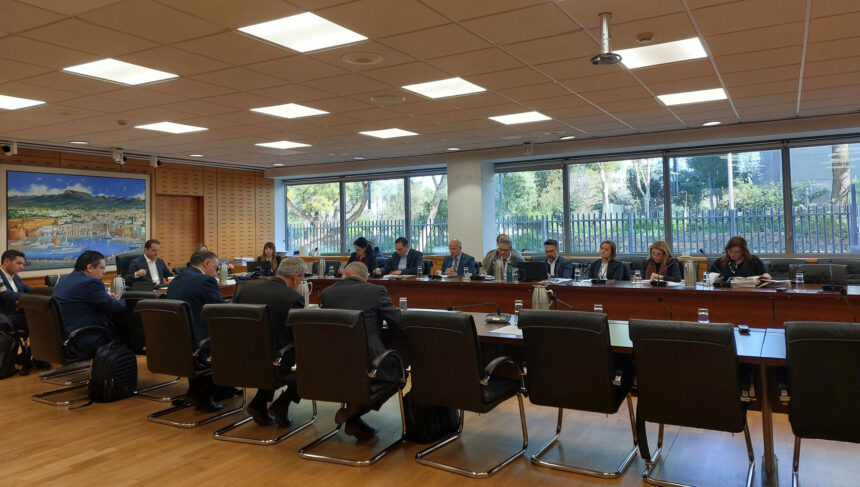
The ongoing debate surrounding the bill to tackle dangerous buildings continues, with significant discussions taking place in the House interior committee. Proposed by Dipa MP Marinos Mousiouttas, this legislation aims to amend the 2025 roads and buildings regulation act to ensure a more effective approach to handling unsafe structures.
During the committee meeting held on Thursday, the interior ministry outlined that the proposed changes are designed to clarify the process for closing unsafe buildings. Previously, this process faced challenges due to gaps in the existing law, which hindered timely action to protect public safety.
Dangerous buildings: Concerns Over Housing Support
Despite the intent to improve safety, concerns were raised by multiple MPs regarding the lack of housing support for residents forced to vacate their homes on short notice. Edek MP Marinos Sizopoulos questioned what kind of provisions would be available for families facing immediate displacement. Mousiouttas echoed these sentiments, stressing that any evaluation or intervention plan must incorporate social support, particularly highlighting the issues faced in Limassol, where the problem of dangerous buildings is acute.
Existing Tenant Protections and Eviction Orders
The attorney-general’s office reminded the committee that some protections for tenants are already in place. However, they also emphasised that due to the critical nature of public safety, authorities retain the power to order evictions when necessary. Under current legislation, residents have a mere 14 days to vacate a building deemed dangerous.
Technical Evaluation Process Stays the Same
While the proposed bill aims to streamline the handling of dangerous buildings, the technical evaluation process is set to remain unchanged. An engineer or technician must first inspect the property to assess its condition, followed by a three-day period in which they must report on whether the structure presents a hazard.
Concerns Raised by Nicosia District Government
The Nicosia district government (EOA) submitted a memorandum expressing concerns over the bill’s drafting process, noting they were not consulted. Their document included technical inquiries regarding articles 15A and 15B, specifically questioning who qualifies as the “competent authority” charged with managing dangerous buildings.
Additionally, the EOA sought clarification on whether submitted technical reports serve merely for information, or if they require approval or oversight. They raised further questions about the accountability of owners who refuse to vacate hazardous buildings and the criteria for calculating fines, which the bill links to the “seriousness of the offence.”
Challenges in Multi-Owner Buildings
EOA general director Konstantinos Parmaklis highlighted the significant challenges posed by multi-owner buildings. In such cases, cooperation among owners is often inconsistent, leading to uncertainties in compliance with safety regulations. This complexity underscores the need for clear guidelines and support mechanisms to ensure that public safety is prioritised.