The launch of Cyprus’ Competitive Electricity Market (CEM) on October 1, 2025, has introduced significant changes to the island’s energy landscape. This new framework allows electricity to be traded through transparent bidding and clearing mechanisms, aiming to provide insights into real costs, enhance efficiency, and stimulate competition in the retail sector.
- Cyprus appears to be on a similar trajectory, but the pace of progress will depend heavily on the rapid development of storage capacity and the integration of natural gas into the generation mix.
According to analysis from CyprusGrid, the initial month of the CEM’s operation proceeded without major technical disruptions. However, the market’s underlying structure reveals challenges that could hinder competition and pricing diversity.
Competitive electricity: Market Pricing Trends
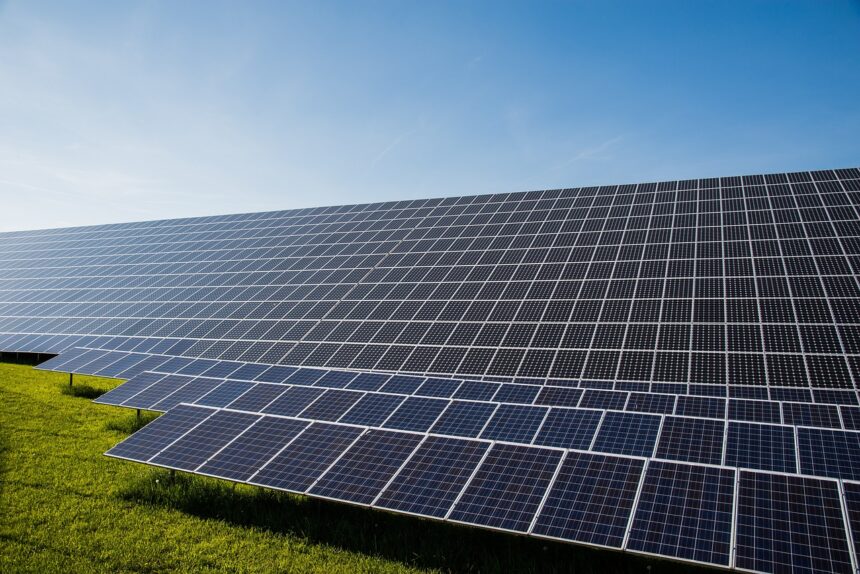
The weighted average Market Clearing Price (MCP) for the Day-Ahead Market (DAM) was recorded at €162.7/MWh. Interestingly, about 5 per cent of all trading periods cleared at zero, with midday prices (11:00-14:00) dropping to or near zero on 42 per cent of days. This phenomenon is attributed to high solar output coinciding with limited storage options and flexible demand.
In contrast, night-time prices were significantly higher, averaging around €163/MWh, as demand relied heavily on conventional thermal units. This creates a two-speed market dynamic, characterised by very low prices during periods of solar surplus and elevated prices at night, when fossil generation dominates.
Composition of Energy Sources
In October, conventional generation accounted for approximately 86 per cent of all traded electricity, with renewables making up only 14 per cent. Specifically, the breakdown showed that 51 per cent of energy in the DAM came from conventional units, while 34 per cent was sourced through the Forward Market. Renewables contributed 7 per cent in the DAM and 8 per cent in the Forward Market.
The limited absorption of renewable energy in Cyprus is concerning, especially given the island’s substantial installed solar capacity. Factors such as low market liquidity, a lack of storage infrastructure, and the overwhelming presence of must-run conventional units restrict the system’s flexibility to incorporate variable renewable energy outputs.
Challenges of Must-Run Units
The effective weighted cost of electricity for the average supplier in October reached about €171/MWh, which is roughly 7 per cent higher than the wholesale market average. This increase is largely due to the mandatory inclusion of “must-run” conventional generation, which constituted around 38 per cent of total energy volumes at an average cost close to €190/MWh.
These must-run units are essential for providing stability, inertia, frequency control, and reserve capacity, especially as Cyprus lacks storage systems or interconnections with other grids. However, the costs associated with these units are not recovered through a specific mechanism, leading to a socialisation of expenses among suppliers, who must purchase their share through the Forward Market.
While the inclusion of must-run units is crucial for grid reliability, this requirement creates a systemic cost floor that limits suppliers’ capacity to pass on wholesale price reductions to consumers. In contrast, other European markets have adopted service-based activation models that compensate conventional units only for activated ancillary services, which could enhance efficiency and renewable integration.
The Current State of Infrastructure
Currently, Cyprus operates with a single conventional producer and lacks grid-scale storage and gas infrastructure. This rigidity hinders the system’s ability to absorb excess renewable output or respond flexibly to market price signals. Insights from other European nations, such as Greece, Ireland, and Portugal, indicate that newly liberalised markets typically require 18 to 30 months to achieve the desired levels of liquidity, stability, and genuine competition.
Cyprus appears to be on a similar trajectory, but the pace of progress will depend heavily on the rapid development of storage capacity and the integration of natural gas into the generation mix.
Future Prospects for the Electricity Market
As utility-scale batteries and gas-fired generation are gradually integrated, analysts project that the market will flatten its intraday price curve, reduce curtailments, and potentially lower average costs by 10-15 per cent in the next two years. While the Competitive Electricity Market in Cyprus has established operational stability, it remains economically constrained. Achieving full benefits for consumers and the broader economy will necessitate time, transparency, and greater flexibility within the market.
Dr Andreas Procopiou, a former Senior Research Fellow in Smart Grids at the University of Melbourne and Research Engineer at Électricité de France R&D, notes the importance of these developments in shaping the future energy landscape of Cyprus.