Garum, the Mediterranean’s celebrated fermented fish sauce, has a rich history that dates back over two millennia. Its origins can be traced to the coastal civilisations of ancient Greece and Carthage, before it found a cherished place in Roman kitchens and marketplaces.
The Birth of Garum
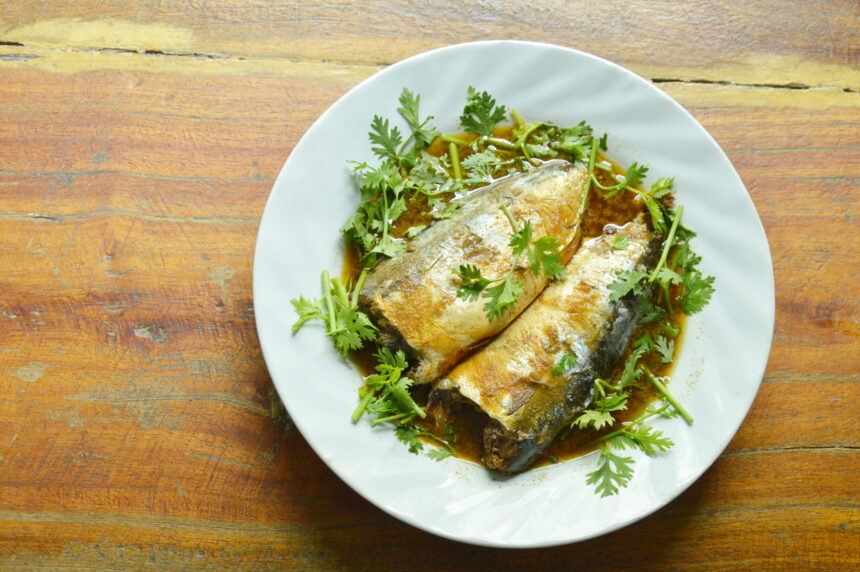
Emerging around the 5th century BCE, garum was born out of necessity. Coastal communities faced an abundance of small oily fish such as anchovies, sardines, and mackerel. Rather than let this catch go to waste, they discovered a method of preservation involving layering the fish with salt and allowing it to ferment under the sun’s warm embrace. This process yielded a pungent, flavour-rich liquid that could elevate a variety of dishes, much like the soy sauce and fish sauces we know today.
From Common Condiment to Culinary Luxury
As time passed, garum evolved from a humble condiment to a symbol of luxury among the Romans. The sauce became a reflection of social status and culinary sophistication. The most esteemed varieties, such as garum sociorum from the Spanish coast, were celebrated for their clarity and complex flavour profiles. Often, these exquisite sauces graced the tables of the elite, accompanying extravagant dishes like ostrich stew and honey-glazed dormice, as detailed in the earliest Roman cookbooks.
Garum Across Social Classes
Interestingly, garum was not exclusively reserved for the upper crust. The lower classes and soldiers relied on a saltier, less refined variant known as garum muria, while the thick leftover paste, called allec, was typically consumed by slaves. This duality of garum illustrated its unique role in society, serving as both a luxurious indulgence for the wealthy and a vital source of sustenance for the masses. Philosophers like Seneca critiqued its overpowering aroma, viewing it as a sign of excess, whereas Pliny the Elder praised its culinary versatility and medicinal properties.
The Art of Fermentation
Though the preparation of garum has shifted over the centuries, the fundamental principle of fermentation remains unchanged. Traditionally, fish parts were meticulously layered with salt in stone vats and left to mature under the sun, allowing the fish’s natural enzymes to work their magic. As producers gained confidence, they began to experiment with additional ingredients, incorporating herbs and wine to create richer flavour profiles.
Garum’s Legacy Through Time
Even as the Roman Empire waned, garum’s legacy endured. Variations of this ancient sauce emerged across different cultures, each with its own unique twist. From Byzantine murri to Italy’s colatura di alici, a clear anchovy sauce still revered in southern Italy today, these adaptations reflect local palates while maintaining that unmistakable umami essence that garum is known for.
Modern Echoes of Ancient Practices
On the island of Cyprus, while garum itself may no longer be prevalent, the region’s long-standing fishing traditions and the influences of ancient Greek and Roman cultures suggest a deep-rooted familiarity with the art of fish fermentation. Contemporary Cypriot cuisine continues to embrace preserved fish and savoury sauces reminiscent of these ancient culinary methods, ensuring that the spirit of garum lives on.