kornos storms — kornos storms — The Kornos area in Cyprus is frequently affected by storms, a phenomenon explained by Dr Filippos Tymvios, Director of the Cyprus Department of Meteorology. This region exemplifies weather instability, where the convergence of humid air from the sea breeze and the local topography, combined with ground heating, leads to the formation of intense summer storms.
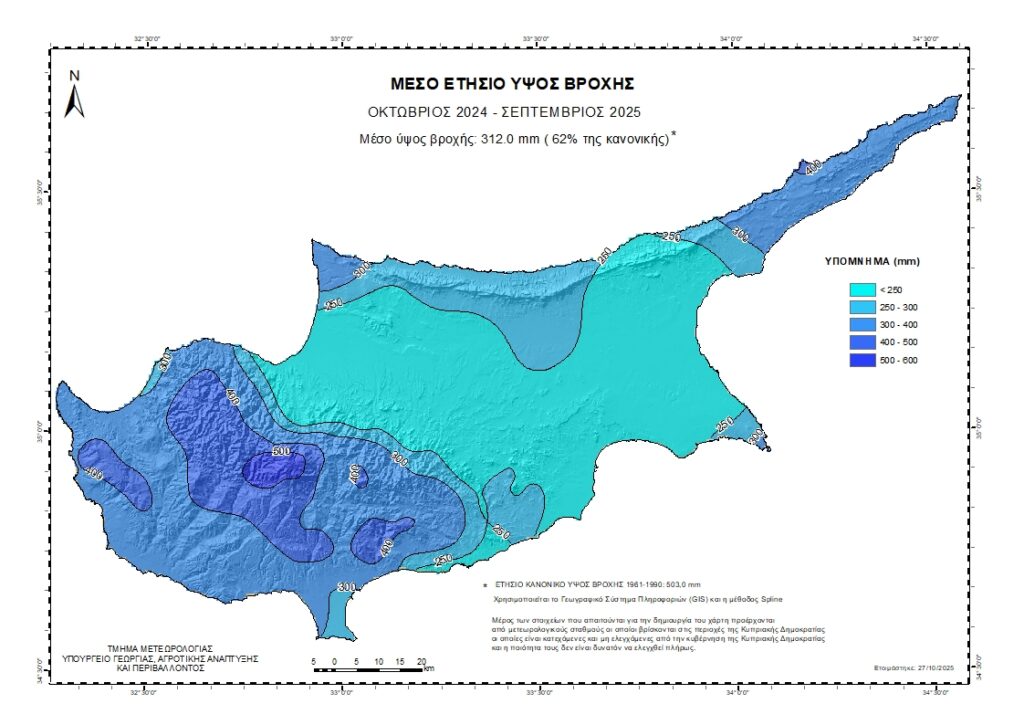
Photo: in-cyprus.philenews.com
Kornos storms: Understanding the Mechanisms Behind Rainfall
According to Dr Tymvios, rainfall in Cyprus occurs primarily in two ways: through large dynamic systems or through localised instability. He elaborated to Philenews that dynamic systems are typical during winter months, bringing substantial rainfall across wider areas, while instability manifests mainly in the summer, causing more intense but localised storm phenomena.
Dynamic Systems Versus Local Instability
Dynamic systems are driven by upper atmospheric movements that elevate water vapour from the ground. As this vapour rises, it cools and condenses before falling as rain. Dr Tymvios noted that areas on the windward slopes of mountains, such as the southern regions of Cyprus, experience more rainfall compared to the leeward sides. This pattern is reflected in the rainfall map for the hydrological year of October 2024 to September 2025, indicating that most weather systems affecting Cyprus originate from the southwest and west.
The Role of Atmospheric Conditions
In the case of local instability, the necessary elevation of water vapour is typically caused by ground heating. However, ground heating alone is often insufficient to trigger a thunderstorm. Dr Tymvios explained that the primary requirement for thunderstorm formation is the presence of water vapour, which can either be sourced from atmospheric circulation in the eastern Mediterranean or introduced by the sea breeze. Additionally, a lifting mechanism, such as strong ground heating or uplift on a warm slope, is essential.
Factors Leading to Summer Storms
Dr Tymvios emphasised that when atmospheric conditions permit, rising water vapour can reach the boundary of the atmosphere, resulting in the formation of thunderstorm clouds. This process is particularly pronounced in Kornos, where the unique topography and climatic conditions create a perfect environment for storm development.
Rainfall Patterns in Kornos
The Kornos area’s vegetation remains notably green throughout much of the year, which is indicative of the region’s significant rainfall. This phenomenon is not isolated to Kornos but is a broader characteristic of the geographical and meteorological conditions prevalent across Cyprus.
Implications for Local Residents
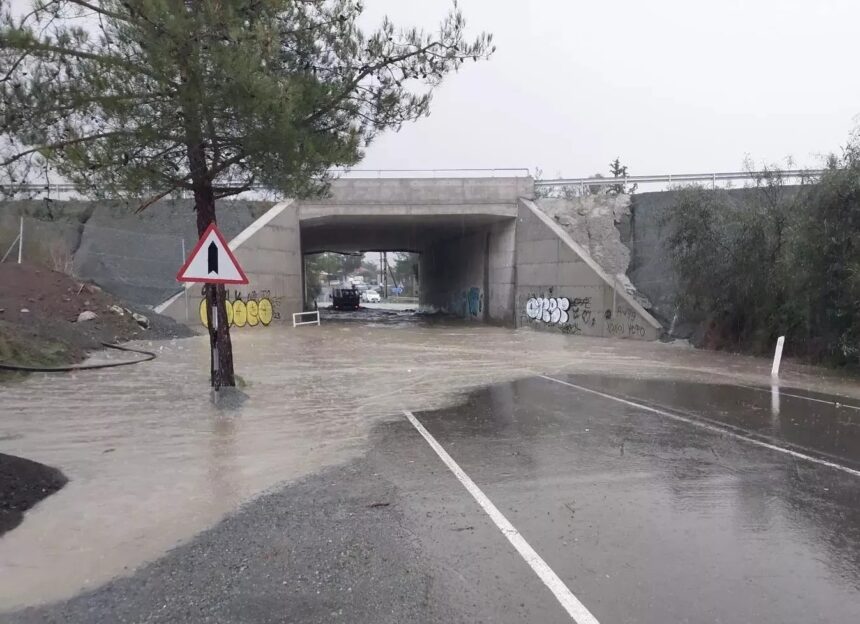
Residents of Kornos are no strangers to the intense storms that can occur during the summer months. The local community often discusses these weather events, which can bring sudden and heavy rainfall, leading to flash flooding in some instances. Understanding the meteorological factors that contribute to these storms can help residents prepare for and adapt to the seasonal weather patterns.
The Importance of Meteorological Awareness
Raising awareness about the reasons behind frequent storms can foster a better understanding among the public and encourage proactive measures during storm seasons. The Cyprus Department of Meteorology continues to monitor weather patterns and provides valuable insights that can assist in local preparedness.
Future Weather Predictions
As Cyprus moves through the current hydrological cycle, ongoing observations will allow meteorologists to refine their predictions about storm occurrences. The insights provided by Dr Tymvios and his team will be vital for local authorities, residents, and anyone impacted by these weather phenomena.
Ultimately, the combination of natural factors—humidity from the sea, local topography, and atmospheric conditions—creates a unique climate in Kornos, resulting in its frequent and intense storms. By understanding these elements, the community can better navigate the challenges posed by their dynamic weather.