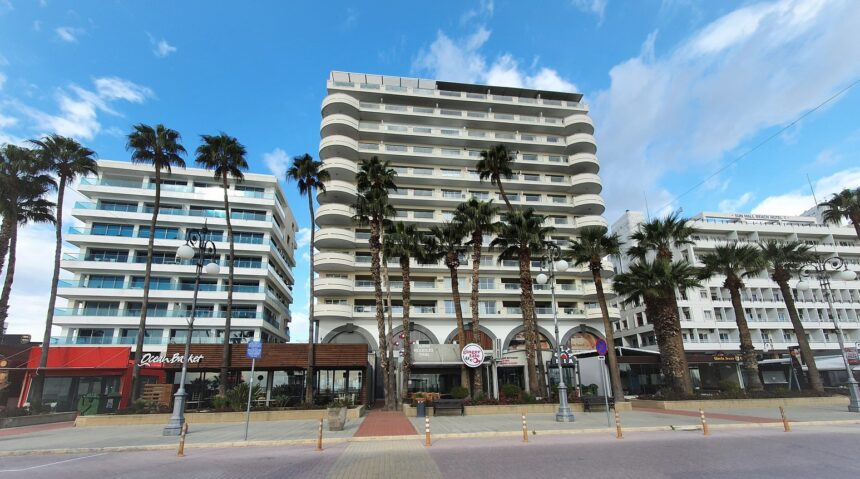
larnaca tourism — Larnaca is witnessing a tourism boom, prompting a surge in new hotel and apartment developments that reflect its growing allure for both local and international investors.
- larnaca tourism — Larnaca is witnessing a tourism boom, prompting a surge in new hotel and apartment developments that reflect its growing allure for both local and international investors.
Larnaca tourism: Getting There
Reaching Larnaca is a breeze, thanks to Larnaca International Airport, which serves as the island’s major gateway. Direct flights connect the city with numerous European destinations, making it accessible for weekend getaways or extended holidays. Once you land, a quick taxi ride or shuttle service can whisk you to your accommodation, whether it’s in the bustling town centre or along the serene coast.
Best Time to Go
The ideal time to experience Larnaca’s charm is during the shoulder seasons of spring (April to June) and autumn (September to October). During these months, the weather is pleasantly warm, ideal for exploring the city’s historical sites or lounging on the beach without the summer crowds. However, if you’re seeking vibrant nightlife and a lively atmosphere, the peak summer months of July and August are bustling with tourists.
Budget Tips
Travelling on a budget in Larnaca can be quite manageable with a few savvy tips. Consider booking your accommodation in advance, especially if you plan to visit during peak seasons. Look for short-term rentals via platforms like Airbnb, where you can find competitive rates. Dining out is also affordable; local tavernas offer delicious Cypriot meals at reasonable prices. Don’t forget to sample a traditional meze platter, which allows you to taste a variety of dishes without breaking the bank.
What to See
Larnaca is rich in history and culture, with plenty of attractions to explore. Start your journey at the iconic Church of Saint Lazarus, a stunning example of Byzantine architecture. Just a short stroll away, you can unwind at the picturesque Finikoudes Beach, where palm trees line the promenade and the azure waters invite you in for a swim.
For those interested in history, a visit to the Larnaca Fort offers insights into the city’s past, while the Hala Sultan Tekke, located near the Salt Lake, is a significant mosque that attracts visitors for its serene surroundings.
Local Etiquette
Understanding local customs can enhance your experience in Larnaca. Cypriots are known for their warmth and hospitality, so don’t be surprised if locals greet you with a friendly smile. When dining, it’s customary to say “Kali orexi” (enjoy your meal) before starting your meal. Tipping is appreciated; rounding up your bill or leaving 10% is considered generous. Lastly, dress modestly when visiting religious sites to show respect.
New Developments Shaping the City
The recent surge in tourism has led to a flurry of new hotel and apartment projects. The Larnaca District Organisation of Local Government reported a remarkable increase in applications for tourism-related developments over the past three years. So far, 35 permits for new hotels and tourist apartments have been approved, with an additional 20 expected to follow shortly.
This growth is largely attributed to Larnaca’s reputation as a prime destination for short-term rentals, particularly through platforms like Airbnb. The city has become increasingly popular among foreign travellers seeking comfortable and convenient lodging options.
Investment Hotspots
Areas along the Larnaca–Dhekelia coastal road are experiencing heightened interest from investors. This stretch, which runs from Livadia to Pyla, is not only attractive due to its ongoing road improvements but also because of the ambitious Land of Tomorrow project. This initiative is expected to significantly enhance the city’s economic landscape, making it a focal point for future developments.
In addition to coastal investments, the western regions of Pervolia and Kiti are also drawing attention, particularly due to their proximity to the airport. These areas are becoming increasingly sought after as more developers recognise their potential.
Future Prospects
Looking ahead, Larnaca’s tourism landscape is poised for significant transformation. With the backing of initiatives like Larnaca 2030, the city is actively working towards becoming the European Capital of Culture by 2030. This ambitious goal is coupled with a commitment to sustainable urban growth, ensuring that Larnaca remains an attractive destination for years to come.
As new hotels and tourist apartments emerge, visitors can expect a diverse range of options that cater to different tastes and budgets. Whether you’re after luxury accommodation or a cosy apartment, Larnaca is set to offer something for everyone.