The need for legal protections for service dogs has emerged as a critical issue among MPs in Cyprus, following discussions at the House human rights committee on Monday.
- The need for legal protections for service dogs has emerged as a critical issue among MPs in Cyprus, following discussions at the House human rights committee on Monday.
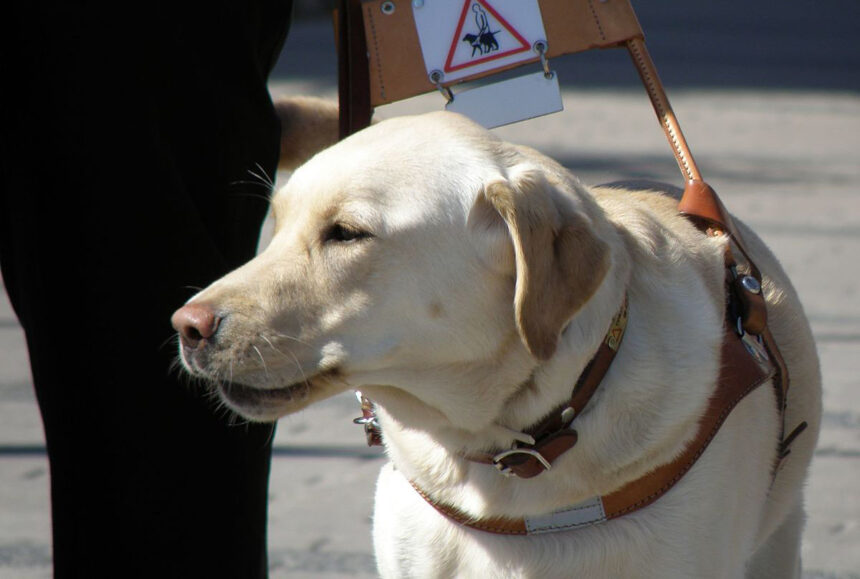
Committee chairwoman and Akel MP Irene Charalambidou highlighted the importance of establishing a legislative framework that guarantees the right of every person with a disability to have their own service dog. “At the parliamentary level, it is extremely important to set the framework and enshrine the right of every person with a disability to have their own service dog,” she stated.
Charalambidou pointed out the complexities involved in this matter, noting that specific training is required not only for the dogs but also for their owners and certified trainers. She emphasised the necessity for government assistance due to the high costs associated with obtaining and training assistance dogs.
“The matter requires cooperation between the legislative and executive branches,” Charalambidou said, underscoring the need for cohesive efforts to create an effective legislative framework that supports individuals relying on service dogs.
In a society where many consider dogs to be family members, Charalambidou believes it is imperative that assistance is provided to the greatest extent possible. The conversation took a critical turn when Diko’s Christos Senekkis remarked on the legislative gap that currently exists in Cyprus.
Despite having ratified the UN convention on the rights of people with disabilities in 2011, he pointed out that little has been done to legalise the status of assistance dogs. He noted that this gap hinders the access of service dog owners to public spaces, including transport and restaurants, largely due to the absence of a certification system.
“Every country has its own regulatory system. We have nothing. In Cyprus today there are no assistance dogs – no training, no help from the government. The few cases are private initiatives,” Senekkis stated, drawing attention to the urgent need for a structured approach.
Greens MP Charalambos Theopemptou also contributed to the discussion, revealing that the issue gained prominence when the House environment committee, which he heads, decided to exempt assistance dogs from the licence fee during recent talks. This move highlighted the broader need for establishing a regulatory framework for assistance dogs.
Currently, the costs associated with acquiring assistance dogs can range from €10,000 to €20,000, presenting a significant financial barrier for many individuals with disabilities. The lack of government support further exacerbates this issue, leaving potential service dog owners without the necessary resources to navigate the process.
The discussions at the House human rights committee reflect a growing awareness and urgency surrounding the rights of individuals with disabilities in Cyprus. As MPs advocate for legislative changes, the hope is that a clear path will emerge to ensure that service dogs are recognised and supported within the legal framework.