Greek islands require €35 billion in investment over the next decade to strengthen their tourism infrastructure, according to a recent study by the National Bank of Greece (NBG). This significant capital is deemed essential for maintaining their status among the world’s top tourist destinations.
Greek islands: Infrastructure as a Key Factor
The NBG’s Economic Analysis Division highlights that robust infrastructure is vital for sustaining the islands’ appeal amid increasing global competition. The report indicates that the islands, which host nearly half of Greece’s foreign visitors, must modernise their transport, energy, water, and waste management systems to continue thriving.
Current Tourism Landscape
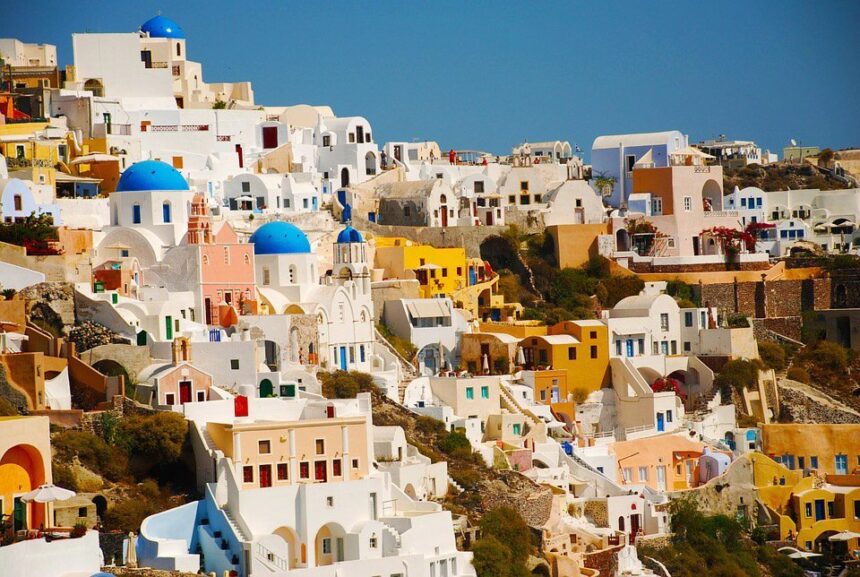
Greece enjoys a reputation as a premier island tourist destination. The NBG notes that arrivals to the islands have doubled in the past 15 years, with projections estimating 16 million visitors in 2024. Notably, the islands contribute to 11 per cent of global island tourism, with seven islands ranking among the world’s 30 most popular destinations, alongside renowned locations such as Bali and Hawaii.
The Pressure on Infrastructure
This surge in tourist numbers places immense pressure on existing infrastructure. During peak months, the density of visitors can reach 33 per square kilometre daily, compared to just two to three in other regions of Greece and the Mediterranean. The NBG points out that despite this seasonal demand, per capita infrastructure investments over the last two decades have not significantly outpaced those on the mainland.
Challenges of Seasonality
Island populations can increase by an average of 50 per cent during the tourist season, creating challenges that mainland areas do not face, where the average increase remains around 5 per cent. The increased transient population leads to considerable strains on local services and infrastructure. Moreover, the islands incur an estimated 15 per cent in extra costs, stemming from logistical challenges, a lack of economies of scale, and the need for backup systems in isolated areas.
Urgent Investment Needs
The NBG warns that without strategic upgrades, the islands risk being hindered by their own infrastructural limitations. To meet the growing demands of the tourist economy, an additional €1.5 billion must be invested annually on top of the current yearly investment of approximately €2 billion. This translates to about €1 billion needed to address the seasonal population increase and another €0.5 billion to cover the additional costs incurred due to the islands’ unique challenges.
Investment Breakdown
In total, the necessary investment effort would amount to approximately €3.5 billion each year, culminating in the forecasted €35 billion by 2035. The NBG emphasises that a well-structured governance framework is critical for effectively coordinating the allocation of these funds and ensuring that they translate into meaningful projects across the islands.
Opportunities for Growth
The study acknowledges that emerging international trends present opportunities to enhance returns on these necessary investments. With increased demand from high-spending long-haul markets, such as the United States and parts of Asia, coupled with a shift towards off-peak travel, the Greek islands have the potential to transition from merely increasing visitor numbers to fostering sustainable growth.
Strategic Advantages Ahead
If these trends are capitalised upon, the NBG estimates that tourist expenditure per person could rise by approximately 15 per cent by 2035. Furthermore, there is potential to reduce the concentration of arrivals during the peak months of July and August from 42 per cent to 34 per cent, alleviating some of the pressures on infrastructure.
The Road Ahead
As Greece’s islands prepare to welcome a growing number of visitors, the call for a comprehensive investment strategy is becoming increasingly urgent. The NBG’s findings serve as a reminder that while the islands currently enjoy immense popularity, the sustainability of their tourism-driven economy hinges on the timely and effective upgrade of their infrastructure. Without this transformation, the islands may find themselves at risk of losing their competitive edge in the global tourism landscape.