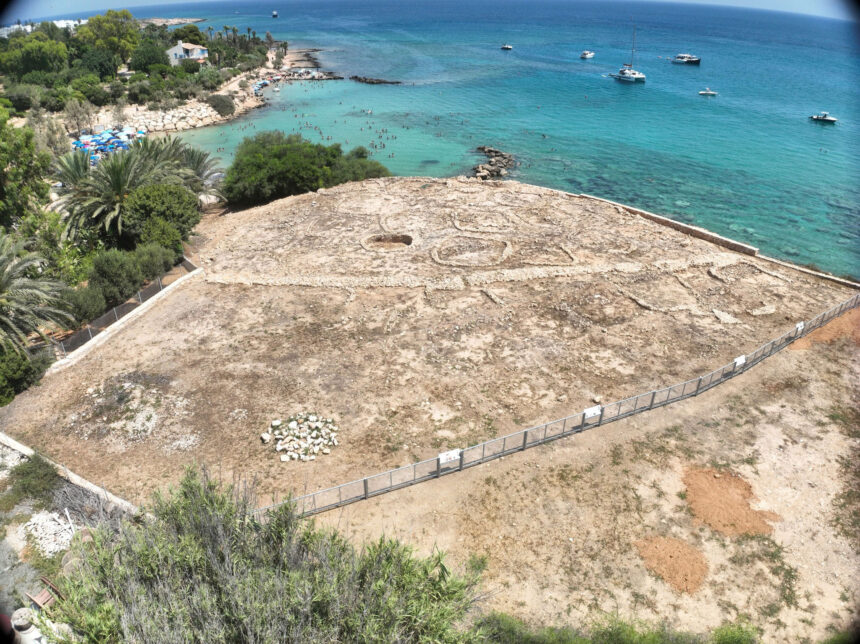
The Nisia site in Protaras stands as a testament to 7,000 years of Neolithic history, making it the oldest known archaeological village in the Famagusta District. As noted by Deputy Culture Minister Vasiliki Kassianidou, this Neolithic settlement offers a glimpse into the lives of its early inhabitants.
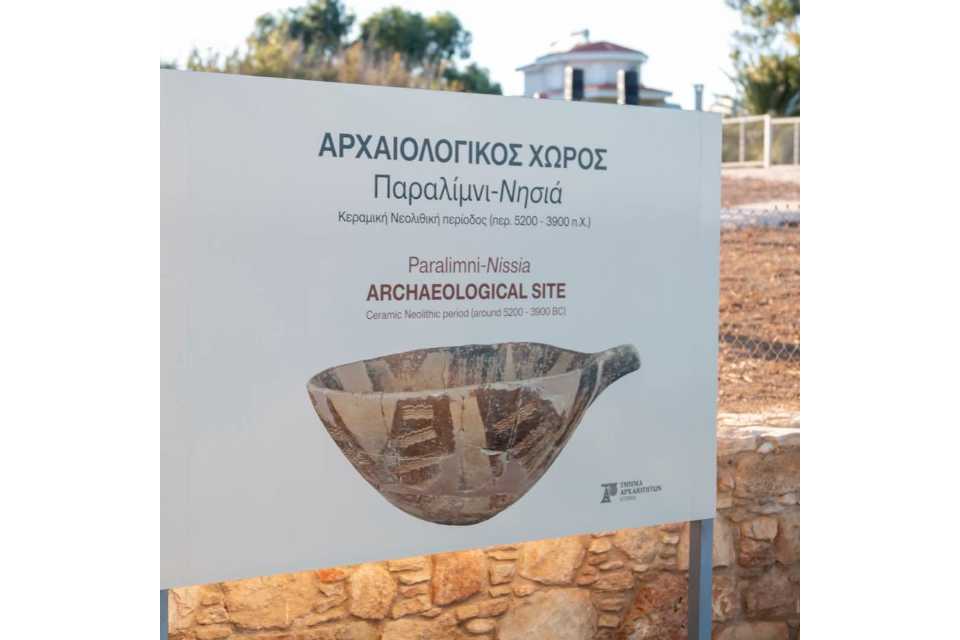
Photo: cyprus-mail.com
Nisia site: An Insight into the Neolithic Period
Dating back to between 5200 and 4800 BC, the Nisia site is the largest Neolithic settlement excavated in the Famagusta district. It was established on the eastern coast of Cyprus during a time when human societies were beginning to transition from nomadic lifestyles to more settled agricultural communities.
Architectural Features and Discoveries
Visitors to the Nisia site can explore 40 dwellings, a protective wall, and a wealth of artefacts uncovered over an expansive area of 2,750 square metres. The findings include a variety of everyday items such as vases, stone figurines, knives, blades, mortars, and necklaces made from picrolite and deer bones. These artefacts provide crucial insights into the materials and techniques used by early Neolithic people.
Understanding Daily Life in the Neolithic Era
The complexity of the Nisia site positions it as a significant centre of the ceramic Neolithic period, shedding light on the social organisation, economy, and technology of ancient communities. Visitors can engage with the history through detailed information signs and QR codes placed strategically throughout the site, which guide them through the daily activities of its inhabitants.
Historical Significance and Community Connection
Mayor of Paralimni-Deryneia, Giorgos Nikolettos, highlighted the site’s “special importance,” emphasising that it encapsulates seven millennia of history. The Nisia site is not only a cultural landmark for the local community but also a vital part of Cyprus’s broader heritage.
Educational Initiatives for Visitors
The deputy minister further explained that the informative signs at the site, featuring texts and visual material, help connect the past with contemporary visitors. These resources enable tourists and locals alike to learn about the agricultural practices, animal husbandry, toolmaking, and social customs of the Neolithic inhabitants, enriching their understanding of the depth of Cypriot history.
Accessibility and Visitor Experience
Open to the public daily, the Nisia site is conveniently located between the popular beaches of Vyzakia and Lombardi in Protaras. This accessibility makes it an attractive destination for both tourists and locals looking to explore the rich archaeological heritage of Cyprus.
A Reflection of Cultural Heritage
The Nisia site not only highlights the historical significance of the area but also reinforces the cultural identity of the Paralimni region. Through ongoing excavations and research, it continues to contribute valuable information to the study of early human societies.
Future Prospects for Archaeological Research
The discoveries at Nisia are expected to inspire further archaeological research in the region. As more is learned about the Neolithic period in Cyprus, the site may also serve as a focal point for educational programs aimed at promoting awareness of the island’s ancient history.
Preserving a Historical Treasure
Efforts are ongoing to preserve the Nisia site and its artefacts, ensuring that future generations can appreciate this remarkable window into the past. By fostering a deeper understanding of our shared history, the Nisia site continues to play a vital role in Cyprus’s cultural landscape.