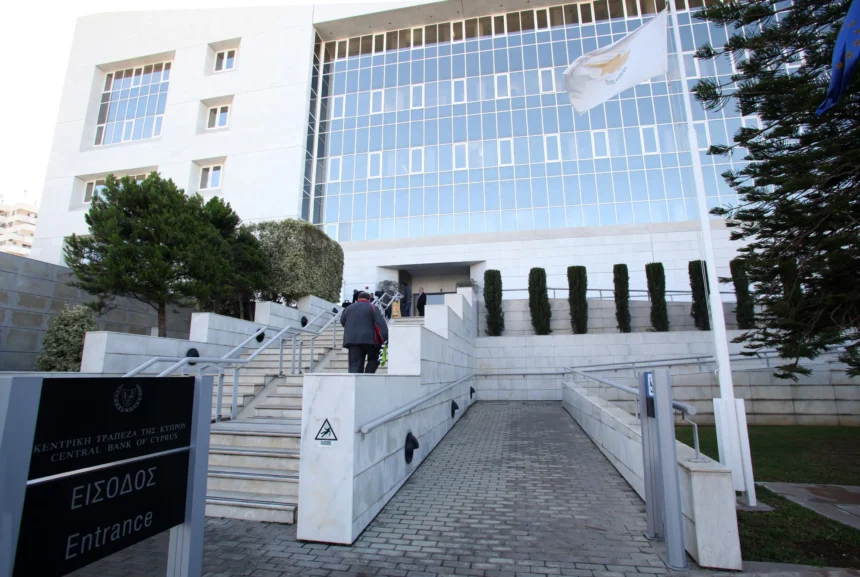
The Central Bank of Cyprus (CBC) has announced that it will maintain the countercyclical capital buffer (CCyB) at 1.5 per cent for exposures in the Republic of Cyprus.
- The Central Bank of Cyprus (CBC) has announced that it will maintain the countercyclical capital buffer (CCyB) at 1.5 per cent for exposures in the Republic of Cyprus.
- The bank's proactive stance is intended to mitigate risks and enhance the resilience of the financial sector, especially in the face of potential economic fluctuations.
In a statement released on Monday, the CBC explained that this decision reflects its assessment of current economic conditions and the necessity to uphold financial stability. The CCyB rate has been set at this level since a prior decision made on January 14, 2025.
As part of its ongoing monetary policy, the bank noted that this rate will officially come into effect on January 14, 2026. Currently, the CCyB rate is at 1 per cent, indicating a gradual adjustment in response to evolving market dynamics.
The CBC aims to strengthen the resilience of the banking sector while ensuring that financial institutions remain well-capitalised to face potential economic challenges. The decision to maintain the CCyB at 1.5 per cent reflects a careful evaluation of risks associated with the local economy.
By implementing this measure, the CBC is reinforcing its commitment to safeguarding the financial system’s integrity. The countercyclical capital buffer is a tool designed to ensure that banks hold additional capital during periods of economic growth, which can then be drawn upon during downturns.
The bank’s proactive stance is intended to mitigate risks and enhance the resilience of the financial sector, especially in the face of potential economic fluctuations.