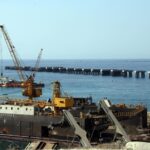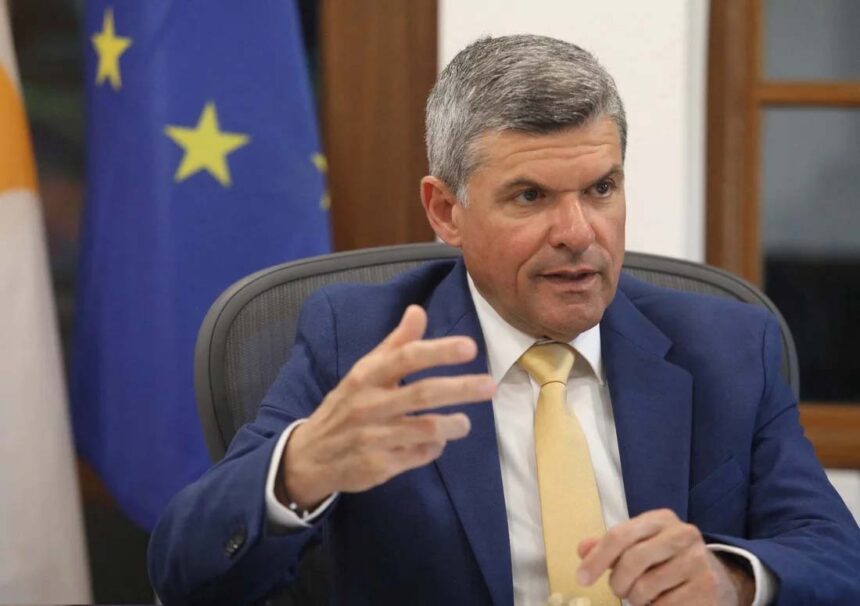
The construction of the interconnector project, known as the Great Sea Interconnector, is currently not enough for the Republic of Cyprus to release the €25 million payment demanded by Greece’s independent transmission system operator, Admie. Energy Minister George Papanastasiou emphasised on Thursday that the payment will be made only when the project is fully implemented.
- As discussions continue, it remains to be seen how both nations will navigate these financial and logistical hurdles while remaining focused on the long-term goal of the interconnector project.
Papanastasiou stated, “The project is not being implemented in its entirety. A part of it is being implemented, and this is the construction of the cable, which is not enough to consider that the project is being implemented.” This highlights the ongoing concerns regarding the interconnector’s progress, which aims to link the electricity grids of Cyprus, Greece, and Israel.
Under an agreement established last year, the Republic of Cyprus is committed to making five yearly payments of €25 million to Admie before the interconnector becomes operational. This financial arrangement is intended to support the project financially and ensure that Admie, which holds a 51% stake in the project, has a steady income as it invests in the initiative.
Despite this commitment, Papanastasiou insisted that both parties must uphold their obligations: “An obligation cannot only rest on the side which pays, but must also rest on the side which is implementing body.” The government is currently working on completing the pricing mechanism to facilitate the payment, but the Energy Minister was firm in stating that without full implementation of the project, the funds would remain withheld.
Contention over the €25 million payment has emerged from differing views on the project’s progress. Cyprus has raised concerns over a lack of tangible advancements, with Finance Minister Makis Keravnos previously stating that his stance may change if the project was more advanced. In contrast, Greek Foreign Minister Giorgos Gerapetritis asserted that seabed surveys essential for the cable installation are ongoing and have not been halted.
Initially, Cyprus had anticipated funding the payments through revenue generated from the European Union’s emissions trading system (ETS) to alleviate the financial burden on its taxpayers. However, Admie cautioned that this strategy could breach EU state aid regulations, prompting calls for the Cyprus energy regulatory authority (Cera) to begin charging consumers directly instead.
In an effort to maintain a unified front, Cypriot President Nikos Christodoulides and Greek Prime Minister Kyriakos Mitsotakis issued a joint statement during a recent UN assembly meeting, reaffirming their countries’ commitment to the interconnector project. They described it as “of strategic importance”, with support from European Commission President Ursula von der Leyen and European Council President Antonio Costa.
Despite these assurances, concerns about the project’s viability linger, with members of the Cypriot government citing findings from two independent organisations indicating that the interconnector may not be sustainable. Gerapetritis has also found himself in the spotlight as the European Public Prosecutor’s Office (EPPO) has launched an investigation into the project, which he vehemently denied involves any of his family members.
As discussions continue, it remains to be seen how both nations will navigate these financial and logistical hurdles while remaining focused on the long-term goal of the interconnector project.