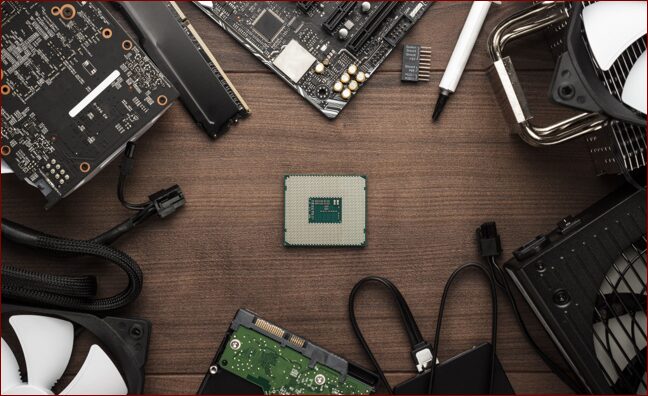
smart hardware — Smart hardware is at the forefront of transforming industrial environments, ensuring production runs smoothly and logistics remain uninterrupted. As industries evolve, the reliance on advanced hardware has become critical for seamless operations in warehouses, factories, and beyond.
Smart hardware: Hardware Built for Continuous Performance
Factories and distribution centres operate continuously, making hardware failures particularly costly. Any downtime can disrupt workflows and delay deliveries. Therefore, industrial hardware is designed for strength and stability, capable of enduring constant use and environmental challenges.
Meeting Tough Conditions
Industrial settings are often harsh, filled with dust, vibrations, moisture, and extreme temperatures. Standard office equipment simply cannot withstand these conditions for long. Instead, specialised hardware systems, including rugged touchscreens and embedded computers, are essential to ensure that operations run without interruption.
The Role of Automation
Automated machines are integral to modern production, handling tasks from sorting to packaging. These systems rely heavily on robust built-in hardware. A single malfunction can halt an entire production line, leading to significant financial losses. Consequently, hardware in these environments undergoes rigorous testing to guarantee speed, accuracy, and durability.
Real-Time Data for Immediate Action
Efficiency in industrial operations hinges on real-time data collection and sharing. Systems equipped with sensors and controllers track processes continuously, allowing for immediate response to any issues. This proactive approach minimises downtime, enhancing control over production and ensuring that products reach consumers on time.
Smart Alerts for Proactive Maintenance
Modern hardware often includes diagnostic features that can detect potential issues before they escalate. By sending alerts about maintenance needs, these systems help avoid unexpected failures. This predictive maintenance not only keeps production on schedule but also enhances overall efficiency.
Energy Efficiency and Environmental Impact
As energy consumption becomes a growing concern, today’s hardware is designed to operate using less power while maintaining high performance levels. This shift not only reduces costs for businesses but also contributes to a smaller carbon footprint, making industrial processes more sustainable.
Space-Saving Designs Enhance Functionality
In industrial settings, utilising space effectively is crucial. Hardware solutions that are compact and modular help free up valuable room for storage and movement. Such designs allow for easy upgrades and replacements without significant disruptions to operations, promoting longevity in production lines.
The Ripple Effect on Everyday Life
Even if you never step foot in a factory or warehouse, the quality of the hardware used in these environments affects your daily life. It ensures that products are readily available, delivery times are reduced, and services operate smoothly. From healthcare to transportation, strong hardware systems are essential for a seamless experience.