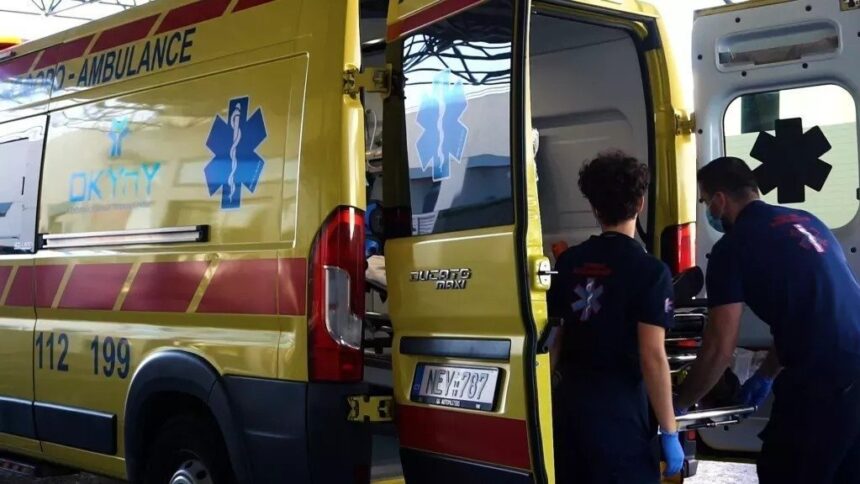
quadriplegic woman — A 62-year-old quadriplegic woman allegedly died after an eight-hour wait for a doctor at Larnaca General Hospital in Cyprus. The president of the Cyprus Paraplegic Organisation, Demetris Lambrianides, has raised serious concerns regarding negligence in her care.
The woman arrived at the Accident and Emergency Department at 8:30 a.m. on Monday, but it wasn’t until eight hours later that she was seen by a doctor, and only after her family expressed their distress over the delay.
Quadriplegic woman: Prolonged Wait in Emergency Department
According to Lambrianides, the patient suffered from a rare form of progressive myelopathy. After the lengthy wait, she was eventually examined by a pulmonology resident. The situation deteriorated further when she was admitted to the Pulmonology Clinic the following afternoon, by which time her health had significantly declined.
Critical Condition Leads to Cardiac Arrest
Tragically, during the night, the woman’s condition worsened dramatically, leading to a cardiac arrest. She was subsequently transferred to the Intensive Care Unit, where her relatives were informed that she had been without oxygen for over 20 minutes. This lack of oxygen resulted in damage to her vital organs.
Family Still Awaiting Answers
The family is still awaiting official information regarding the cause of death and the details surrounding the patient’s declining health. Lambrianides has publicly questioned the lack of communication from the hospital and the apparent failures within the healthcare system.
Criticism of the Healthcare System
In a post on social media, Lambrianides expressed his outrage, stating, “In a rich, generous health system without the required/necessary safety and quality for patients. Are those responsible all well? Today is Wednesday and tomorrow yet another Thursday? Emergency departments with at least eight hours of waiting?” His comments reflect a growing frustration regarding the efficiency of emergency services in Cyprus.
This incident has sparked a broader dialogue about the state of medical care in the country, particularly for vulnerable patients who require immediate attention. As the family seeks justice and answers, the incident raises critical questions about the standards of care in emergency settings.