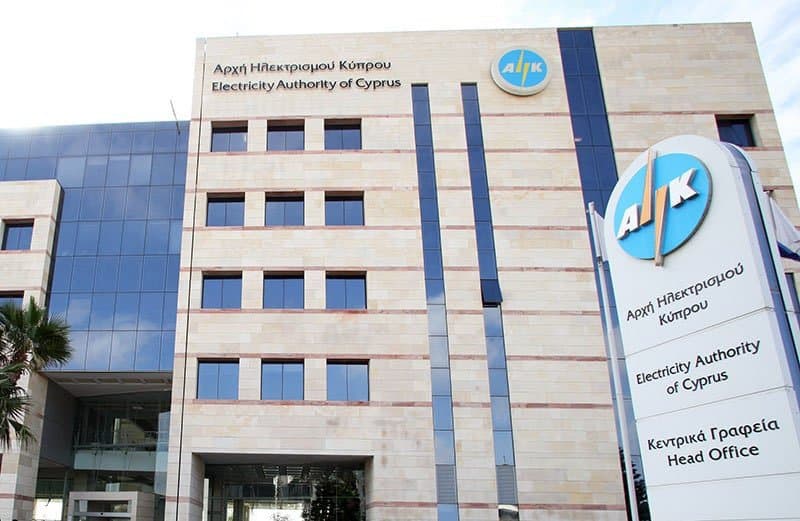
Cyprus’ energy market will be opened to private companies on October 1, as confirmed by the energy regulatory authority (Cera) on Friday. This significant change is anticipated to usher in a new era in the electricity sector, with hopes of establishing a fully competitive market where all stakeholders—including producers, suppliers, and consumers—can determine the management and payment for their electricity.
- He also mentioned that his ministry will be prepared to intervene if it becomes apparent that market dynamics are heading in an unfavourable direction.
Energy market: Details of the Market Opening
The announcement coincided with the expiry of the deadline for companies seeking to participate in this new model. Cera has indicated that customers not tied to any net billing scheme will gain the right to act as active customers starting October 1. This means that those who own solar panels will have the freedom to manage their surplus energy production and decide how they wish to utilise it.
Potential Impact on Consumer Bills
There has been considerable speculation surrounding whether the opening of the energy market will lead to reduced electricity bills for consumers. Energy Minister George Papanastasiou expressed uncertainty regarding this outcome, stating earlier this year, “I cannot tell you whether the price will go down, because this particular model, namely the ‘target model’, has not been tested in small markets such as in Cyprus.”
Papanastasiou explained that the effectiveness of the new system will largely depend on how well competing parties engage in a market that is relatively small. He noted, “If you ask the minister whether prices will go down, that will depend very much on how the parties compete in a small market in which he decided to apply the ‘target model’.”
The ‘Target Model’ Explained
The ‘target model’ aims to create a unified electricity market across the European Union, allowing all 27 member states’ electricity grids to be accessible to private companies. The expectation is that increased competition will drive down prices for consumers throughout the EU. However, Papanastasiou cautioned that in larger markets, prices often stabilise initially after private companies enter, with subsequent reductions occurring later due to competition. “In a smaller market, which has not been tested often, we will see along the way,” he added.
He also mentioned that his ministry will be prepared to intervene if it becomes apparent that market dynamics are heading in an unfavourable direction.
Changes for Energy Producers and Suppliers
When private companies are allowed to enter the market, energy producers and suppliers will engage in a trading environment akin to a stock market. This system will enable them to make bids every half hour, creating a dynamic where electricity can be bought and sold in real-time.
In June, the electricity market association (EMA) expressed its satisfaction with the upcoming changes, indicating that the opening of Cyprus’ energy grid to private companies is a welcomed development. They highlighted its importance for the normalisation of energy prices, stating, “With the implementation of the new competitive market, Cypriot consumers will for the first time gain the ability to choose their electricity supplier of choice—a fact which will strengthen competition and lead to fairer and more cost-oriented prices.”
Public Sentiment and Expectations
The anticipation surrounding the opening of the energy market reflects a broader desire among consumers for more control over their energy choices and potential savings on their bills. However, the uncertainty expressed by the Energy Minister suggests that consumers may need to be patient as the new system takes shape. The realisation of lower prices may depend on how effectively market players can compete against one another.
As October 1 approaches, many will be watching closely to see how the transition unfolds and what it means for the future of electricity supply in Cyprus. With the stakes high, both consumers and industry stakeholders are hopeful that this shift will lead to a more efficient and transparent energy landscape.
Ultimately, the success of the new energy market model in Cyprus may serve as a case study for other small markets considering similar reforms. Only time will reveal whether the benefits of competition will outweigh the challenges posed by the market’s size and complexity.