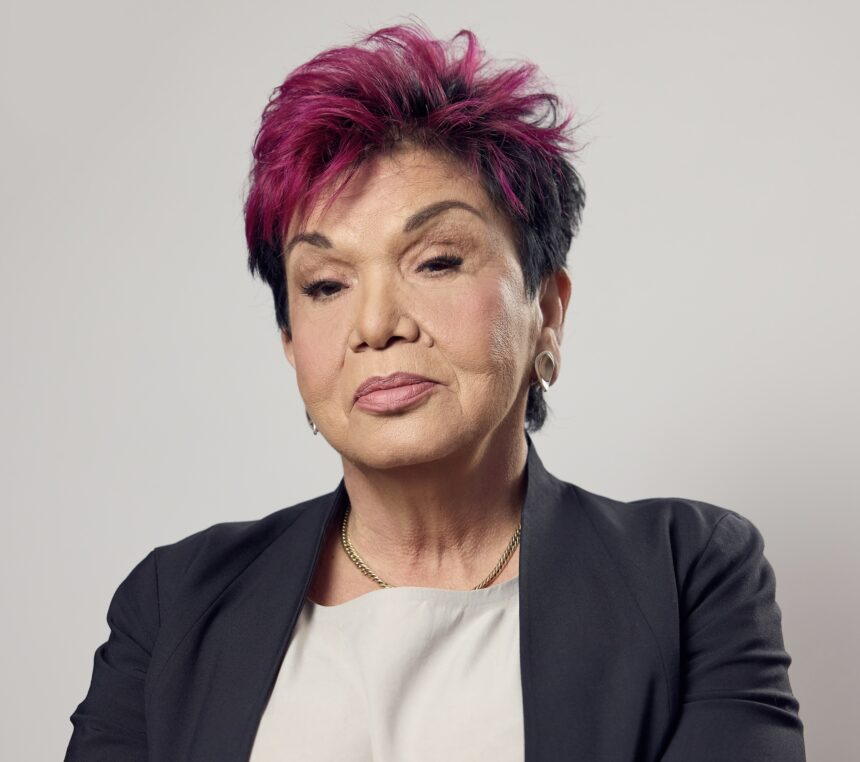
alzheimer s — alzheimer s — Dr. Paraskevi Sakka highlights the vital role caregivers play in the fight against Alzheimer’s disease, a condition that affects millions globally. The emotional, physical, and financial demands on caregivers are profound, as they navigate the complexities of caring for loved ones experiencing memory loss.

Photo: in-cyprus.philenews.com
Alzheimer s: The Emotional Toll on Families
Many caregivers recount heart-wrenching experiences as they support family members grappling with Alzheimer’s. One individual shared, “I watched my father, a sharp-minded man with incredible knowledge, lose pieces of his life and memory day by day. He stopped remembering, stopped being the person he was.” This sentiment resonates with countless families who face similar challenges.

Photo: in-cyprus.philenews.com
Everyday Struggles
Caregivers often find themselves becoming silent heroes, sacrificing their own needs to ensure the dignity and safety of their loved ones. As Dr. Sakka pointed out, “The increased care demands of dementia patients affect caregivers’ health, impact their participation in social and professional activities, limit their free time, undermine their social standing and threaten their financial security.” These burdens can lead to significant stress and health issues for caregivers.
The Growing Alzheimer’s Crisis
Alzheimer’s disease is the most prevalent form of dementia, accounting for 60-70% of cases. With the growing elderly population, the number of individuals affected by Alzheimer’s is expected to rise dramatically. Currently, 5% of older adults suffer from dementia, making it one of the most pressing public health challenges of our time.
Research and Treatment Advances
Despite the lack of a definitive cure, ongoing research into Alzheimer’s is promising. Dr. Sakka noted the emergence of new treatments, particularly monoclonal antibodies targeting beta-amyloid, which can delay symptom progression. She emphasised, “What I would like to emphasise is that in recent years we have entered a new era of causal, increasingly effective treatments.” These advancements offer hope, but the path to widespread implementation remains challenging.
The Impact on Caregiver Health
The psychological and physical health of caregivers is often compromised. Dr. Sakka’s insights reflect a growing concern about the toll caregiving takes on mental health. Many caregivers report feelings of isolation and stress, which can exacerbate existing health issues. According to research, Greek caregivers, for instance, are predominantly women who care for individuals with dementia for over 40 hours per week.
Support Systems for Caregivers
In Greece, where approximately 250,000 people live with dementia, the need for robust support systems is crucial. Non-profit organisations play a significant role in providing education and support to caregivers, offering a lifeline in times of need. However, there are still gaps in services, particularly in rural areas.
Understanding Alzheimer’s Disease
Alzheimer’s is a complex condition characterised by cognitive decline, including memory loss and difficulties with reasoning. The disease progresses through three stages, starting with mild cognitive impairment and potentially leading to total dependence on caregivers. Dr. Sakka explained that early diagnosis is essential for managing the disease effectively, stating, “Timely and accurate diagnosis helps us to benefit from available pharmaceutical and non-pharmaceutical therapies.”
Identifying Risk Factors
While there is no certain way to prevent Alzheimer’s, understanding risk factors can help in managing potential threats. Lifestyle choices, such as diet and exercise, play a significant role in brain health. Dr. Sakka highlighted that “controlling risk factors and prevention through lifestyle changes remain our most effective weapons against the disease.” Addressing issues such as smoking, excessive alcohol consumption, and lack of physical activity can significantly reduce the risk of developing dementia.
Legislative Support for Dementia Care
Efforts to support individuals with Alzheimer’s and their caregivers are underway, though progress has been slow. In Greece, a draft law aimed at outlining the rights of dementia patients and their caregivers has been stalled since 2020. Advocates argue that this legislation is vital to ensure proper support and recognition for those affected by the disease.
Call to Action for Families
Dr. Sakka advises families to seek help if they notice signs of cognitive decline in their loved ones. “If you’re worried about your memory or someone close to you has noticed that you’re forgetting things, immediately consult a clinic and get examined.” Early intervention can lead to better management of symptoms and improve quality of life.
Hope Amidst Challenges
Despite the challenges posed by Alzheimer’s, there is a sense of hope within the scientific community and among caregivers. New treatments are emerging, and awareness campaigns are being developed to educate the public about the disease. Dr. Sakka’s message is clear: “There is hope, there is care.” With ongoing research and support, families can look forward to a future where Alzheimer’s care is more effective and compassionate.