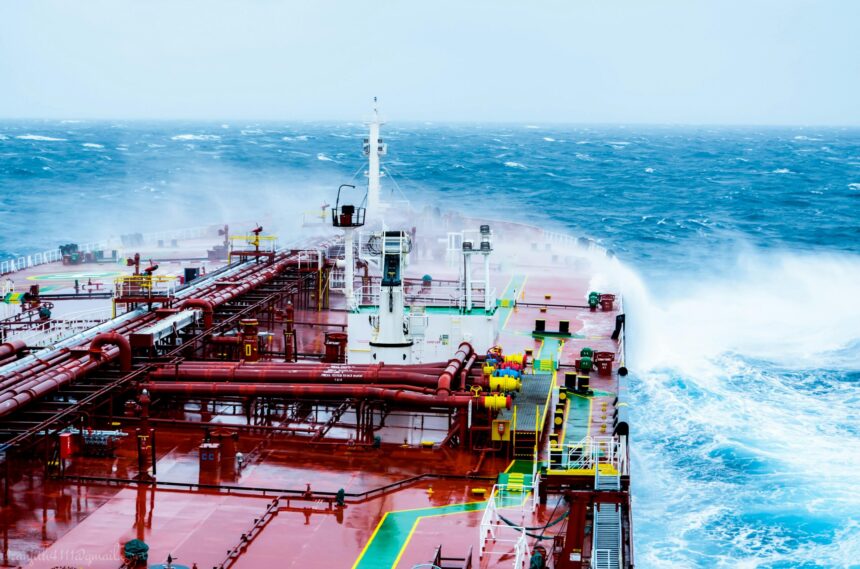
Europe’s shipping industry is bracing for its first financial bill under the European Union’s Emissions Trading System (EU ETS) on September 30, marking a significant step in efforts to reduce greenhouse gas emissions from maritime transport. This moment comes as the EU intensifies its commitment to environmental sustainability, placing stricter requirements on the shipping sector.
Impact on Shipping Emissions
According to Drewry, a maritime consultancy based in London, around 13,000 ships submitted verified emissions data for 2024 through the EU’s Monitoring, Reporting and Verification (MRV) platform. The records indicate that vessels emitted 90 million tonnes of CO2 last year, reflecting a 14 per cent increase from 2023. This surge in emissions is attributed primarily to a rerouting of ships around the Cape of Good Hope, which followed attacks in the Red Sea that forced operators to avoid the Suez Canal.
Financial Implications of the EU ETS
Under the phased implementation of the EU ETS, ship operators calling at EU ports are now required to surrender allowances that cover 40 per cent of those emissions for the current year. With EU Allowances (EUAs) trading at approximately €70, Drewry estimates that the total bill for the shipping industry could reach around $2.9 billion this autumn. This financial burden will have a pronounced impact, especially on the containership sector, which, despite accounting for only 16 per cent of the fleet and 21 per cent of tonnage, was responsible for 34 per cent of the reported emissions.
Projected Costs for the Industry
On average, each container vessel is expected to incur annual compliance costs of about $500,000. In comparison, RoPax and passenger ships may face costs nearing $1 million annually. These figures highlight the substantial financial strain the new regulations will impose on ship operators. Furthermore, the burden is anticipated to increase sharply in the coming years: companies will need to cover 70 per cent of emissions reported for 2025, while the system is set to reach full scope by 2027. Drewry forecasts that the annual costs for the industry could escalate to $7.5 billion.
Investment in Sustainable Solutions
In light of these mounting costs, many operators are already accelerating their investments in energy-saving technologies, sustainable biofuels, alternative-fuel vessels, and advanced low-friction coatings. These innovations are crucial for the industry to adapt to the new regulatory landscape while also addressing environmental concerns.
Penalties for Non-Compliance
Failure to comply with the EU ETS regulations carries significant penalties, including a fine of €100 per tonne of CO2, in addition to the obligation to purchase any missing allowances. This creates an urgent need for shipping companies to ensure compliance to avoid hefty financial repercussions.
Scope of the EU ETS Regulations
The EU scheme applies to voyages between EU ports, covering half of the emissions from international voyages to or from the bloc, as well as all emissions during calls at European ports. This broad scope underscores the EU’s commitment to reducing the maritime sector’s carbon footprint.
Global Context and Future Frameworks
In parallel, the International Maritime Organisation (IMO) has agreed on a Net Zero Framework (NZF), which was reached in April and is expected to be finalised in October 2025. This framework would introduce the first global carbon pricing mechanism for a single industry, based on the principle that the polluter pays. The IMO’s approach would allow compliance costs to be transferred to the commercial operator responsible for fuel, cargo, and routing, thereby distributing the financial burden more evenly across the transport chain.
Cyprus: A Key Player in EU Shipping
As one of Europe’s leading shipping hubs, Cyprus is preparing for the implications of the EU ETS. The island boasts the third-largest merchant fleet in the EU by tonnage and a significant global ship-management cluster based in Limassol. Authorities in Cyprus have already published a list of administering authorities under the ETS to guide ship operators through the compliance process.
Support from the Cyprus Shipping Chamber
The Cyprus Shipping Chamber (CSC) has been actively briefing its members on the financial and operational implications of the new regulations. The CSC has noted that Cyprus retains a competitive edge through its EU-approved Shipping Taxation System, introduced in 2010. This system features a tonnage tax regime that provides favourable treatment not only for Cyprus-flag vessels but also for foreign-flag ships and charterers.
Contribution to Cyprus’ Economy
Shipping is a vital sector for Cyprus, contributing approximately 7 per cent to the nation’s GDP, according to data from the Central Bank. The sector generates around €10 million annually in fees and taxes, while providing employment for approximately 4,500 people onshore and around 55,000 seafarers serving on vessels controlled or managed from Cyprus. As the EU ETS takes effect, the importance of adapting to these changes while maintaining economic stability will be critical for the island’s shipping industry.