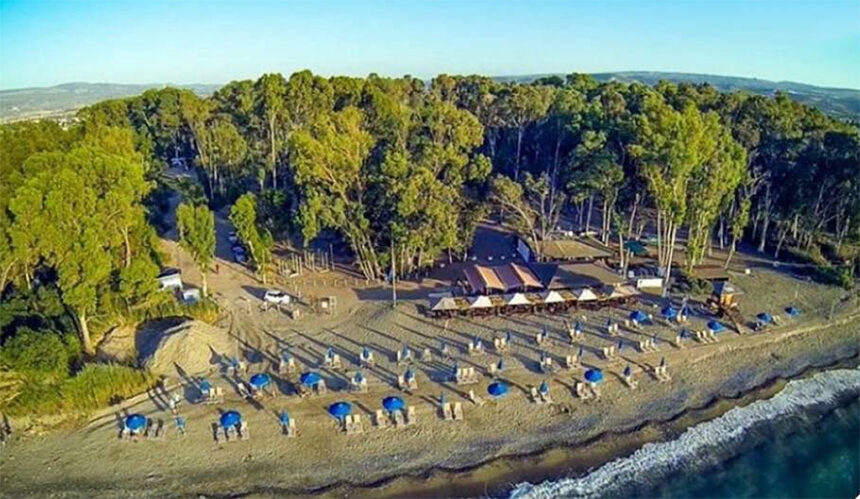
paphos tourism — Paphos, paphos tourism a gem on the southwestern coast of Cyprus, is grappling with significant challenges that affect its vibrant tourism sector. As the demand for visitors peaks during the summer months, the region struggles with water shortages, a shortage of skilled workers, and limited flight options, creating a complex landscape for both travellers and locals.
Paphos tourism: Getting There: Navigating Travel to Paphos
Paphos International Airport serves as the primary gateway to the region, but it often faces congestion during peak travel times. With ongoing expansion works, improvements are on the horizon, yet accessibility remains a concern. Visitors from Germany, the Nordic countries, and the Middle East may find flight options limited, making advance planning essential. Consider booking your flights early, especially if you plan to visit during the high season.
Best Time to Explore
The best time to visit Paphos is undoubtedly during the summer months, when the sun-kissed beaches and historical sites come alive with activity. However, if you prefer a quieter experience, late spring or early autumn can be a delightful alternative. Just be aware that the months from November to March see significantly fewer tourists, which might appeal to those seeking tranquillity but could limit some service options.
Budget Tips for Travellers
As you plan your trip, it’s crucial to consider the local economy’s current state. Water shortages have led to increased costs for both households and agriculture, which may impact food prices at restaurants and markets. To keep your budget in check, embrace local eateries and markets, where you can find authentic Cypriot cuisine at reasonable prices. Additionally, booking accommodations in advance can help you secure better rates, especially in a region aiming to keep a substantial number of its hotel beds operational year-round.
What to See: A Tapestry of History and Nature
Paphos is steeped in history and natural beauty, boasting a wealth of Unesco-listed sites such as the Tombs of the Kings and stunning mosaics that showcase the island’s rich heritage. Don’t miss the medieval castles and charming traditional villages that dot the landscape. For those who enjoy the outdoors, the region’s natural parks offer opportunities for hiking and exploring Cyprus’s unique flora and fauna.
Embracing Local Culture
While enjoying Paphos, it’s essential to respect local customs and traditions. The Cypriots are known for their hospitality, so a simple ‘Kalimera’ (good morning) can go a long way. Engage with local artisans and support small family-run businesses, as they play a vital role in preserving the culture and economy of the region. Moreover, as Paphos seeks to diversify its tourism offerings, consider participating in cultural experiences or sports tourism activities that support the local community.
Housing and the Local Workforce
The tourism industry’s labour shortages are palpable in Paphos, with many establishments struggling to find qualified staff. This issue is compounded by a depopulation trend in rural areas, where attracting young people back to the countryside is vital for sustaining the local economy. As a traveller, you can contribute positively by choosing to stay in locally-owned accommodations, which often provide more personalised experiences and support the community.
Future Prospects: A Call for Sustainable Tourism
As Paphos aims to shift towards a more diversified tourism model, there is a growing focus on sustainability and cultural preservation. The region has earned accolades such as the European Capital of Smart Tourism 2023 and holds Green Destination status, highlighting its commitment to responsible tourism practices. Visitors are encouraged to participate in this vision by engaging with eco-friendly tours, supporting conservation initiatives, and being mindful of their environmental impact while exploring.
Paphos is at a crossroads, facing challenges that could redefine its tourism landscape. With every visitor, the potential to contribute to a more sustainable future becomes a shared journey, enriching both the traveller’s experience and the lives of those who call this enchanting destination home.