Heatstroke Cases Surge as Cyprus Endures Heatwave
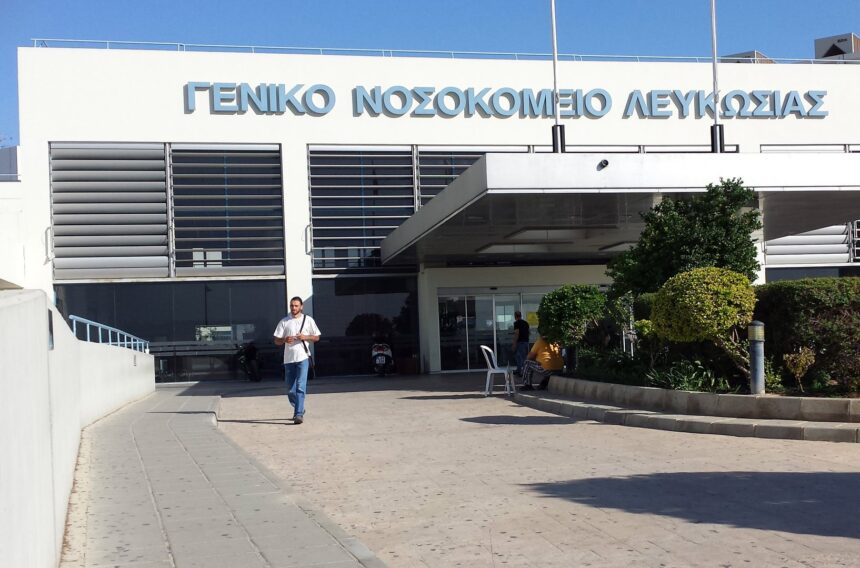
The Republic of Cyprus is currently grappling with a relentless heatwave, leading to an alarming number of heatstroke cases, particularly among the elderly population. As reported by the state health services organisation (Okypy), three elderly patients are receiving treatment for severe heatstroke at Nicosia General Hospital, highlighting the urgent need for public awareness regarding heat-related health risks.
Understanding Heatstroke and Its Symptoms
Heatstroke is a serious medical condition that occurs when the body overheats, often as a result of prolonged exposure to high temperatures. In the recent cases at Nicosia General Hospital, the patients—aged 72, 73, and 90—were admitted exhibiting grave symptoms indicative of heatstroke. Their conditions have been described as “serious but stable”, and physicians report signs of gradual improvement.
Common symptoms of heatstroke include:
- High body temperature (above 40°C)
- Altered mental state or confusion
- Nausea or vomiting
- Skin flushing or absence of sweating
- Rapid heartbeat
Emergency care for heat-related ailments, such as dehydration and heat exhaustion, is becoming increasingly necessary as the number of affected individuals climbs. Okypy spokesman Charalambos Charilaou urged the community, especially those in vulnerable groups, to remain vigilant during this unrelenting heatwave.
At-Risk Populations and Responsible Actions
The elderly, particularly those living alone, are at a heightened risk of heat-related complications. Given their lower physiological reserves to cope with extreme weather conditions, they may not respond to high temperatures as robustly as younger individuals. Health authorities recommend that family members check on elderly relatives regularly throughout these heatwave conditions.
Moreover, Charilaou called upon the public to adopt preventive measures. Simple yet effective actions can significantly reduce the risk of heat-related illnesses:
- Avoid direct sun exposure, especially during peak hours from 11 am to 4 pm.
- Stay hydrated by drinking plenty of fluids, preferably water.
- Wear loose-fitting, lightweight clothing to enable sweat evaporation.
- Rest frequently in shaded or air-conditioned environments.
- Recognise the symptoms of heatstroke early and seek medical attention without delay.
Institutional Support and Community Awareness
In response to the ongoing situation, Nicosia General Hospital is adjusting its protocols to accommodate the higher influx of patients experiencing heat-related problems. Medical professionals are being alerted to the rise in such cases, and the emergency departments are on standby to handle increased patient loads efficiently.
The government and health authorities are also ramping up public awareness campaigns to educate citizens about the dangers associated with extreme heat and the significance of proactive measures. Various community health initiatives are actively engaging residents across Cyprus, promoting strategies to mitigate heat-related health risks.
Local municipalities are collaborating with health officials to ensure that elderly residents are well-informed and supported throughout the duration of the heatwave, reinforcing community ties and encouraging personal responsibility in safeguarding one’s health.
A Call to Stay Safe and Support Each Other
As the summer heat intensifies, it is essential for everyone in the Republic of Cyprus to take the necessary precautions to protect themselves and their loved ones from the heat. Awareness, education, and proactive engagement can significantly diminish the health risks associated with heatwaves.
The message is clear: be aware, stay hydrated, and do not hesitate to reach out for help if needed. Let us come together as a community to ensure that the most vulnerable members of our society receive the attention and care they require during this sweltering season.