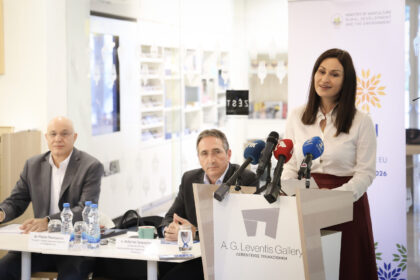
electricity storage — Electricity storage batteries are expected to arrive in Cyprus in January 2027, according to Energy Minister Michael Damianos. The installations are planned to be completed before the summer of that year, marking a significant step towards enhancing the country’s energy infrastructure.
Contracts have already been signed with the supplier and the Transmission System Operator (TSO) for the battery storage project, which aims to bolster Cyprus’s electricity system by adding 125 megawatts (MW) of energy storage capacity. This development will allow for greater storage of renewable energy, reducing the necessity to curtail production during periods of excess.
Damianos explained that the new facilities would help mitigate the challenges posed by high electricity demand during the summer months, particularly in 2027 when consumption typically peaks. Currently, Cyprus’s conventional electricity generation exceeds 1,000 MW, sufficient for daytime needs. However, as solar power generation ceases after sunset, the demand often outstrips supply due to high air conditioning usage.
The introduction of battery storage is expected to bridge this gap by storing energy generated from renewable sources throughout the day for use during the peak evening hours. This innovative approach aims to ensure a more reliable power supply and support the transition towards greener energy solutions.
In addition to the 125 MW from the upcoming project, the minister noted that terms have been agreed for an extra 150 MW of privately owned battery storage projects, also set to be operational during 2027. Furthermore, the Electricity Authority of Cyprus (EAC) is advancing its own storage facilities, which will add a combined capacity of 180 MW, with parts of these projects—amounting to 80 MW and 100 MW—expected to be operational before next summer.
By the end of 2027, Cyprus anticipates integrating several hundred megawatts of battery storage capacity into its national grid. This anticipated addition is critical for managing electricity supply, particularly during peak demand periods.
When questioned about the management of electricity demand until these storage projects are completed, Damianos reassured that the situation remains manageable. He cited assessments made by the TSO, indicating that the recent power supply issues were linked to a fault in one of the EAC’s generators. Both the utility and the transmission system operator are reportedly making every effort to maintain stable electricity supply with the available resources.
According to Damianos, the most significant strain on the grid occurs in the two to three hours following sunset, when solar generation halts yet demand remains elevated. Provided there are no unforeseen breakdowns, the minister is optimistic that the system will cope until the new projects come online.