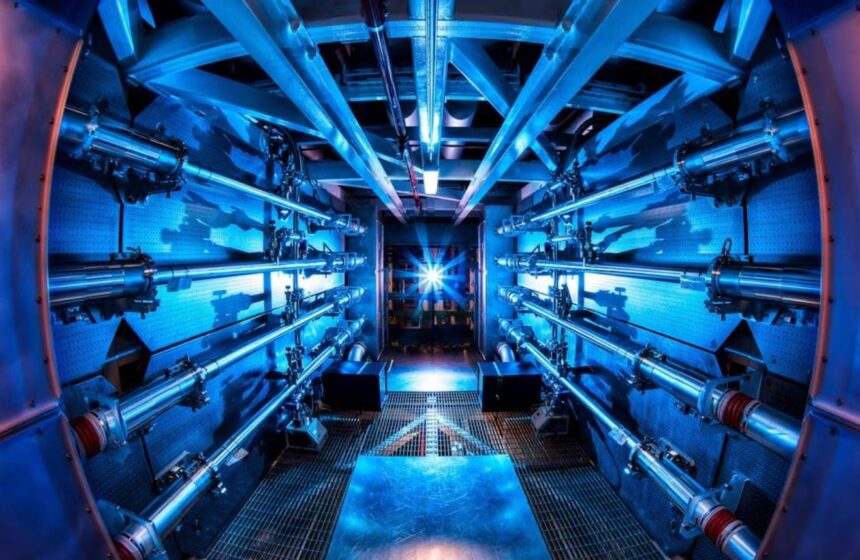
Global investments in fusion energy have reached a record $4.48 billion in the past year, reflecting an increasing confidence in this emerging sector’s potential to meet the growing demand for electricity.
Significant Growth in Fusion Energy Investments
The milestone was reported in a recent survey conducted by the Fusion Industry Association (FIA), highlighting a 69 per cent increase in investments compared to the previous year. This is the highest annual total since the survey began in 2021, which has now accumulated over $14.2 billion in total investments across 56 private fusion companies.
The Promise of Fusion Technology
Fusion reactors, which are still in the experimental phase, work by fusing light atoms like hydrogen under extreme heat and pressure. This process generates substantial energy without the emission of greenhouse gases or the production of long-lived nuclear waste, making it a potentially revolutionary source of clean energy.
Industry Confidence and Future Prospects
Andrew Holland, CEO of the FIA, remarked, “This report shows that the fusion industry is fundamentally on its pathway to commercialization. The thing that’s driving a lot of this is the need for new electricity sources, the long-term identified growth of data centres and artificial intelligence.” This sentiment underscores the urgency for alternative energy solutions as global electricity demands continue to rise.
Challenges Ahead for Commercialisation
Despite the optimistic outlook, significant technical challenges remain before fusion can be commercially viable. Key hurdles include enhancing the efficiency of fusion reactions and sustaining these reactions long enough to produce a net positive energy output. Additionally, researchers must develop materials capable of enduring the constant bombardment of neutrons released during fusion reactions.
Geographical Investment Trends in Fusion Energy
The United States currently leads in the number of fusion companies, although many rely heavily on private investments, as government funding is only about half of what is provided in China. This disparity raises questions about the future competitiveness of U.S. companies in the global market.
Public Offerings and Market Movements
In a sign of growing market interest, two notable companies are on paths to become publicly traded. General Fusion, a Canadian firm, has announced plans to go public in the U.S. through a deal valued at around $1 billion with Spring Valley Acquisition Corp. III. Meanwhile, TAE Technologies, backed by Google, is pursuing a $6 billion reverse merger with Trump Media & Technology Group, which is primarily owned by a trust of former President Donald Trump.
Investments in China’s Fusion Sector
The FIA’s survey also includes data from four private companies in China, though it acknowledges that this representation is incomplete. Press reports suggest there are numerous additional fusion companies in China that receive backing from both government and private sources, further illustrating the global competition in this sector.
Looking to the Future of Fusion Energy
Industry experts predict that fusion energy could start to be harnessed for power generation in the early 2030s, provided that the existing challenges can be surmounted. As the world grapples with the pressing need for sustainable energy solutions, the ongoing investments and innovations in fusion technology may play a critical role in shaping the future energy landscape.