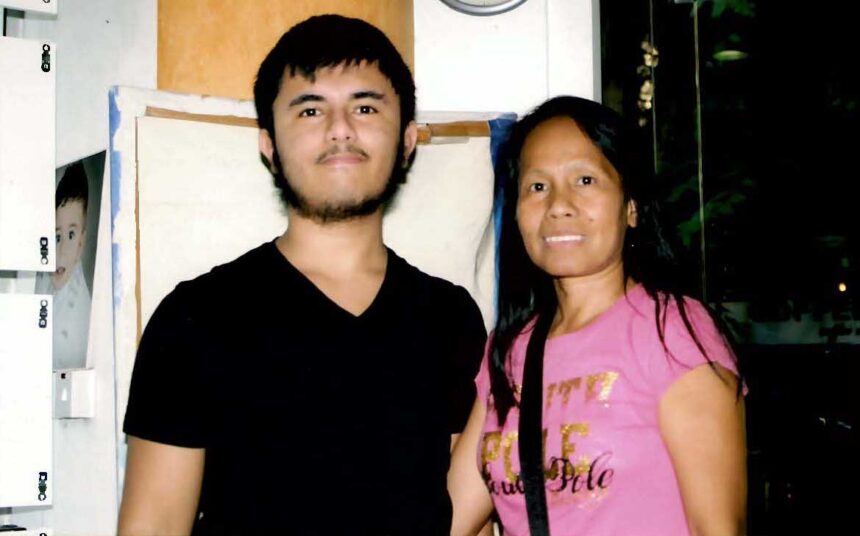
little hacker — The little hacker, Joshua Polloso Epiphaniou, has garnered notoriety as one of Cyprus’s most infamous criminals, known for a series of high-profile legal battles. At just 27, he has navigated through four significant criminal cases over the past decade, culminating in his current trial for murder, despite the absence of a body.

Photo: cyprus-mail.com
Little hacker: A Unique Extradition
Epiphaniou made headlines in March 2021 when he became the first Cypriot citizen extradited to the United States. Convicted of cyber-extortion, he served a year in federal prison. His criminal journey began at the age of 17 when he was arrested in connection with a cyber-attack on Cablenet, which disrupted their operations for days.
Early Legal Troubles
The charges against Epiphaniou escalated quickly. Following his initial arrest in 2017, he faced allegations of hacking multiple websites between 2014 and 2016, including several in the United States. The involvement of the FBI highlighted the severity of his actions, as he extorted money from victims by threatening to release stolen user data.
Return to Cyprus and New Allegations
After serving his sentence in the US, Epiphaniou returned to Cyprus, where he reportedly fell into troubling circles. In 2022, he claimed to have been abducted and extorted by individuals posing as Turkish Cypriot police. The situation escalated further with the murder charge stemming from the disappearance of Angelos Perikleous in April 2023.
Murder Charge Without a Body
In an unprecedented legal scenario, Epiphaniou has been charged with premeditated murder despite the fact that Perikleous’s remains have never been located. The prosecution’s case appears to rely on witness testimony, indicating financial disputes between the two men, along with evidence suggesting they were together on the day Perikleous vanished. Most notably, an alleged admission made by Epiphaniou to his uncle has raised alarm bells.
Self-Representation in Court
In a striking turn of events, Epiphaniou is representing himself in court after conflicts with two previous lawyers over how to approach his defence. Reports indicate he conducts meticulous cross-examinations of prosecution witnesses, with the judge often needing to intervene due to the nature of his questioning. The trial has been described as tense, with the prosecution planning to call up to 96 witnesses.
Concerns About the Justice System
Commentators have raised concerns about how the justice system in Cyprus handles cases involving young offenders. Michael Chambers, a lawyer who previously represented Epiphaniou, remarked on the systemic issues that arise when less serious offenders are incarcerated alongside hardened criminals. Chambers pointed out that young people like Epiphaniou are at risk of being further influenced by the dangerous environment of prison.
A Troubled Childhood
Joshua Polloso Epiphaniou’s upbringing was marked by challenges. His mother, Vivina, a Filipina who became a naturalised citizen, raised him largely alone after his Cypriot father, a police officer, initially denied paternity. Those close to Epiphaniou recount a clever, tech-savvy young man who, instead of pursuing legitimate avenues in technology, turned to criminality to assist his mother financially.
The Impact of Autism
Epiphaniou has been diagnosed with Asperger’s syndrome, which adds another layer of complexity to his situation. His unique perspective and skills in technology could have led him to a fruitful career in IT. However, the societal stigma and alienation he experienced may have contributed to his descent into crime.
Life in Prison
Having spent most of his adult life in prison, Epiphaniou faces a daunting reality. Reports indicate he has been a victim of violence while incarcerated, including multiple attacks by fellow inmates. These incidents have necessitated transfers to different cells for his safety.
A Complex Narrative
Joshua Polloso Epiphaniou’s story is one of tragedy intertwined with the complexities of crime, mental health, and societal neglect. While the legal proceedings continue to unfold, many observers are left questioning the broader implications of his case on the Cypriot justice system and the treatment of vulnerable individuals within it.