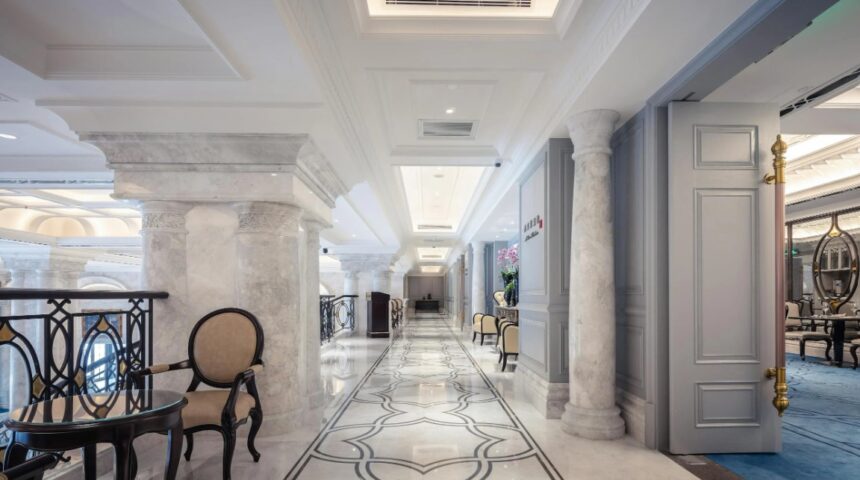
In Cyprus, hotel licensing has made notable progress, yet more than half of tourist units have yet to submit their applications. The Deputy Ministry of Tourism recently addressed this ongoing issue, highlighting that it has persisted for nearly three decades.
Getting There
Arriving in Cyprus is a breeze, thanks to its main international gateway, Larnaca Airport, which connects travellers with numerous destinations across Europe and beyond. Alternatively, Paphos Airport serves as a secondary hub for those heading to the western part of the island. Once you land, public transport options such as buses or taxis are readily available to whisk you away to your chosen accommodation.
Best Time to Visit
The ideal time to experience Cyprus is during the shoulder seasons of spring (April to June) and autumn (September to October). During these months, temperatures are pleasantly warm, and the tourist crowds are thinner, allowing for a more authentic experience while exploring the local culture and landscapes.
Understanding the Licensing Landscape
The Deputy Ministry of Tourism has reported that while significant strides have been made in hotel licensing, the situation is still far from resolved. Between 2014 and 2018, a surge in hotel renovations and expansions, spurred by urban planning incentives, led to a notable increase in tourist units. However, despite these developments, as of April 2023, only 6 per cent of hotels in Cyprus had been licensed under the 2019 legislation, which provided a five-year transitional period.
Current Licensing Statistics
As it stands, approximately 23 per cent of hotel accommodation units possess a full operating licence, while another 22 per cent are functioning with a temporary licence. The Deputy Ministry has since introduced a new bill extending the deadline for compliance to December 31, 2025, and implementing stricter health and safety provisions.
Future Provisions and Compliance
The Deputy Ministry remains optimistic that by December 31, 2024, the number of licensed accommodation units will rise to 94, accounting for 12.69 per cent of the total. It is crucial for all tourist units to operate legally, and they can do so until December 31, 2026, provided they have a valid construction permit for hotel or tourist accommodation.
Budget Tips for Travellers
- Accommodation: Look for licensed hotels or self-catering units, which are generally more reliable.
- Dining: Enjoy local cuisine at tavernas where prices are often more reasonable than tourist hotspots.
- Transport: Consider public transport options such as buses or rent a bike for an affordable way to explore.
- Attractions: Many historical sites and natural wonders have minimal entrance fees, offering great value for money.
What to See and Do
Cyprus is brimming with experiences that cater to all types of travellers. From its stunning beaches to rich historical sites, there is something for everyone. Here are a few highlights:
- Visit the Ancient City of Kourion: Explore the ruins of this ancient city, which date back to the 2nd century BC and offer breathtaking sea views.
- Relax on Nissi Beach: Famous for its crystal-clear waters and lively atmosphere, Nissi Beach is perfect for sunbathing and water sports.
- Wander through the Streets of Paphos: A UNESCO World Heritage Site, Paphos is home to impressive mosaics and archaeological sites.
- Explore the Troodos Mountains: Ideal for nature lovers, the Troodos Mountains offer hiking trails and picturesque villages.
Local Etiquette
Understanding local customs can greatly enhance your experience in Cyprus. Here are some tips to keep in mind:
- Greetings: A handshake is a common greeting, but a friendly smile goes a long way.
- Dining Etiquette: It’s customary to wait for the host to start eating before you dig in.
- Dress Code: Although Cyprus is quite relaxed, modest attire is recommended when visiting religious sites.
Future of Hotel Licensing
The Deputy Ministry has been proactive in addressing the licensing challenges faced by hotel units, conducting consultations with relevant state bodies to ensure compliance and safety across the sector. Regular reminders to the hotel industry aim to encourage adherence to the new regulations.
Self-Catering Accommodations
In addition to traditional hotels, self-catering accommodations have seen a significant increase, with registered units rising from 4,765 in April 2023 to 8,478 by June 29, 2026, marking a remarkable 78 per cent increase. This shift indicates a growing preference for flexibility among travellers.
Despite ongoing challenges with unlicensed premises, the Deputy Ministry remains committed to fostering a safe and legally compliant environment for both tourists and locals. As Cyprus continues to evolve, the landscape of its hospitality sector is set to improve, making it an increasingly attractive destination.