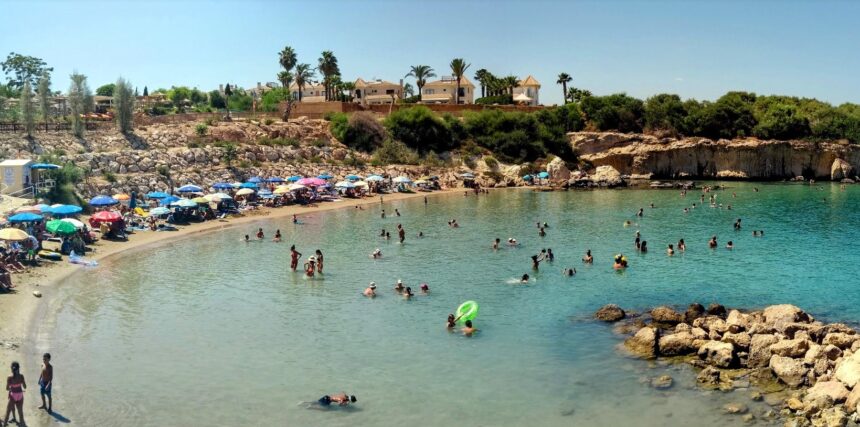
cyprus tourism — Cyprus tourism is currently navigating a challenging landscape, seeking to establish a robust crisis management mechanism. Recent statistics from the Deputy Minister of Tourism, Kostas Koumis, reveal signs of stabilisation in the sector following months of uncertainty influenced by regional tensions.
Cyprus tourism: Signs of Recovery Amidst Challenges
As of May and June, the tourism sector in Cyprus has shown resilience, with a reported decrease in the decline of tourist arrivals. While the numbers are not yet back to pre-crisis levels, the recovery trend is promising. Koumis shared that the losses observed in May were considerably contained, demonstrating the effectiveness of the measures implemented to support the industry.
Visitor Trends and Statistics
The data paints a mixed picture for the year ahead. Although 2026 is unlikely to break records, the figures from the beginning of the year were encouraging, with January and February marking a strong start. Compared to previous years, January saw an impressive rise in arrivals, with increases of 8.5% year-on-year. February continued this trend, with a notable 9.5% increase compared to 2025.
However, the shadow of the Middle East conflict looms large, leading to thousands of booking cancellations and a notable freeze in new reservations during March and April. The situation escalated after an attack on British Sovereign Bases, which adversely affected perceptions of Cyprus as a safe destination.
Restoring Confidence in Cyprus
In response to the crisis, a public relations firm has been engaged to help restore the island’s image, reinforcing the message that Cyprus remains a safe haven for tourists. Discussions within the House Trade Committee have underscored the need for a formal crisis management framework, given the industry’s vulnerability to external shocks.
Challenges Faced by the Tourism Sector
- Significant drops in hotel occupancy and reduced tourist spending.
- Concerns regarding air connectivity and the unpredictability of booking patterns.
- Calls for improved coordination between government entities and tourism stakeholders.
Industry representatives have highlighted the uneven financial support across the tourism ecosystem, with smaller businesses particularly affected. The need for quicker implementation of employment support measures and a structured approach to crisis management has become increasingly urgent.
Looking Ahead: The Path to Stability
Despite the hurdles, there are signs of optimism as stakeholders push for stronger marketing efforts to boost demand. The industry is keen on promoting domestic tourism while simultaneously enhancing air connectivity to attract international visitors.
The Parliamentary discussions reflect a broader concern over the sector’s long-term viability, with calls for a permanent crisis response structure that allows for rapid activation in times of need. This includes advocating for comprehensive support for workers and small businesses, which are essential to the tourism fabric of the island.
A Collective Responsibility
As Cyprus continues to recover from recent shocks, the emphasis on collaboration among all stakeholders is paramount. The success of the tourism sector hinges on effective communication, adherence to commitments, and a unified strategy that can withstand geopolitical uncertainties.
For travellers and locals alike, Cyprus remains a jewel in the Mediterranean, and with the right measures in place, its tourism industry can flourish once more, welcoming visitors to its stunning shores and vibrant culture.