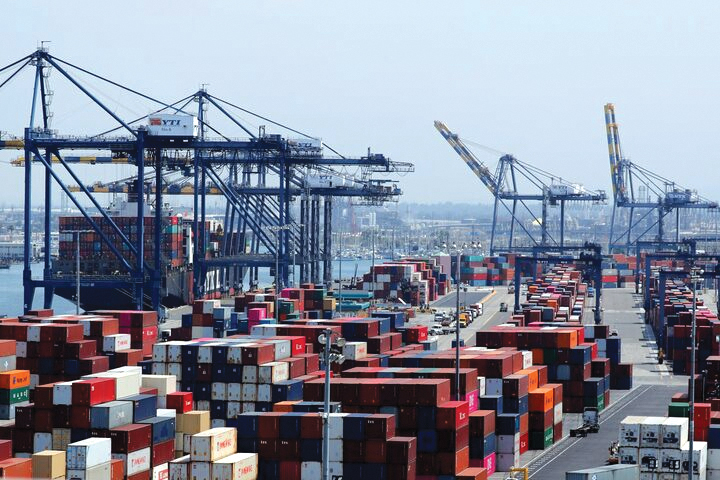
The shift from globalisation to fragmentation is reshaping the economic landscape as we know it. For decades, the global economy thrived on trade and cross-border connections, with nations working together to reduce trade barriers and expand supply chains. This interconnectedness seemed unassailable, but today, a new reality is emerging.
A Shift Towards Fragmentation
Rather than a complete retreat from globalisation, we are witnessing a fragmentation of the global economy. Trade, investment, and technology are now being reorganised along geopolitical lines, creating competing blocs of countries that prioritise their national interests. Governments are taking a more active role in the economy, implementing tariffs and trade restrictions, while also focusing on national security and strategic sectors.
Supply Chains in Transition
As a result of recent crises, companies are rethinking their supply chains. The previous model, which favoured low-cost production regardless of geographic considerations, is being replaced by partnerships with ‘friendly’ nations or regional allies. This shift aims to enhance resilience and reduce vulnerability to future disruptions.
The Geopolitical Competition
Fragmentation is exacerbated by the intensifying competition between major economies, notably the United States and China. Both countries are vying for dominance in advanced technologies, such as artificial intelligence, utilising tariffs, subsidies, and export controls as tools for strategic advantage. The implications of this rivalry are profound, raising questions about the future of global trade and cooperation.
Optimism Versus Pessimism
Economists are divided on whether this transformation is a necessary adjustment or a regression. The optimistic viewpoint suggests that a more balanced world could emerge from this fragmentation. By reducing dependence on distant markets, nations might cultivate a more resilient system of regional alliances. On the other hand, the pessimistic perspective warns of the potential costs: higher prices, duplicated production processes, and diminished innovation due to increasing trade barriers.
The Broader Consequences of Fragmentation
As these trends unfold in an already fragile economic environment characterised by low growth, the risks intensify. If restructuring leads to weakened trade and cooperation, the world may settle into a period of moderate economic expansion, with profound implications for all nations involved. Moreover, as interdependence diminishes, the stabilising effects it once provided could give way to heightened geopolitical tensions.
New Alliances and Opportunities
Amid these changes, some countries may find new opportunities through emerging alliances, while others risk being left behind in the new global order. Globalisation is not disappearing; it is transforming into a more complex and politicised framework, requiring policymakers and businesses alike to adapt to the new reality.
Challenges Ahead for Policymakers and Economists
The challenge for policymakers lies in finding a balance between resilience, security, and efficiency. Businesses must embrace flexibility and stay attuned to the shifting political dynamics. Additionally, economists will need to reassess their longstanding assumptions as the rules of the game evolve.