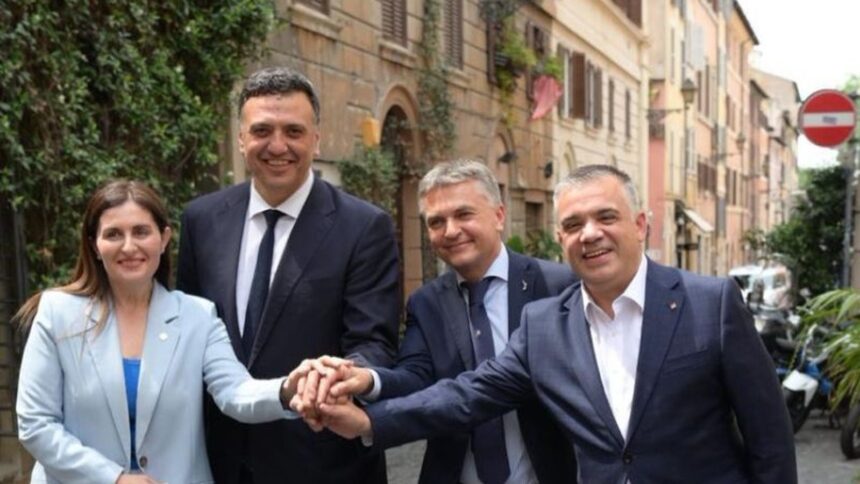
Mediterranean shipping cooperation took centre stage in Rome as Greece, Cyprus, Italy, and Malta’s maritime ministers convened to discuss joint efforts in the sector.

Photo: cyprus-mail.com
- Mediterranean shipping cooperation took centre stage in Rome as Greece, Cyprus, Italy, and Malta's maritime ministers convened to discuss joint efforts in the sector.
Mediterranean shipping: Key Figures Discuss Maritime Partnership
The meeting, held on the sidelines of the International Chamber of Shipping (ICS) summit, featured Greek Maritime Affairs and Insular Policy Minister Vassilis Kikilias, Cyprus Shipping Deputy Minister Marina Hadjimanolis, Italy’s Deputy Minister for Infrastructure and Transport Edoardo Rixi, and Malta’s Minister for Sustainable Mobility Chris Bonett. Kikilias underscored the importance of this collaboration, stating that it signifies a growing tradition among the four nations.
Shared Vision Amidst Global Challenges
Kikilias expressed his satisfaction with the discussions, which took place “in a particularly warm atmosphere.” He highlighted the unique position of these Mediterranean countries in leading European shipping and their common understanding shaped by their geographical location.
“Our countries are leading European shipping and share a unique common understanding due to their location in the Mediterranean,” Kikilias noted, emphasizing the significance of their cooperation in navigating the complexities of the maritime industry.
ICS Summit: Addressing Maritime Concerns
The meeting occurred during the ICS Rome summit, themed ‘Shaping the Future of Shipping Summit 2026 – Forging Partnerships for Resilience.’ This event gathered government officials, shipping leaders, and representatives from international organisations, focusing on contemporary issues affecting the maritime sector, including geopolitical tensions, regulatory changes, and the green transition.
The discussion among the Mediterranean ministers was particularly relevant, as Greece, Cyprus, Italy, and Malta are crucial players in maritime transport, both through their fleets and their strategic positions along vital trade routes. The collaboration comes at a time when shipping policy is increasingly influenced by the realities faced by nations on Europe’s southern maritime frontier.
The Importance of Quadrilateral Cooperation
Kikilias highlighted the critical role of this quadrilateral cooperation, stating that it is already yielding positive results in an industry vital to the economies and societies of these nations. “I thank them warmly and I am glad that we are companions at all the critical ‘crossroads’ for shipping,” he remarked, indicating the collaborative spirit shared among the Mediterranean countries.
Broader Implications for Regional Shipping
The summit also provided a platform for broader discussions on the future of shipping, with emphasis on competitiveness, sustainability, and security. Hadjimanolis participated in the summit’s opening panel, where ministers and senior maritime figures explored the pressing need for closer international cooperation in the face of evolving challenges.
During her three-day working visit to Rome, Hadjimanolis engaged with Kikilias, Bonett, and Rixi, as well as representatives from European institutions and international shipping organisations. This engagement illustrates Cyprus’s commitment to reinforcing its maritime sector through enhanced collaboration with neighbouring states.
Highlighting the Challenges Ahead
The timing of this meeting was significant, coinciding with the ICS’s launch of its latest Maritime Barometer. The report highlighted geopolitical instability as the foremost risk facing global shipping, along with concerns about cyber threats, regulatory fragmentation, administrative burdens, and shifting trade patterns. These challenges underscore the necessity for Mediterranean countries to work together to safeguard their national maritime sectors and ensure the competitiveness of European shipping.
ICS Leadership Change and Future Directions
The summit also marked a transition in leadership within the ICS, with John Denholm CBE being unanimously elected as the new chairman of the organisation’s board, succeeding Emanuele Grimaldi. Denholm acknowledged the considerable upheaval and uncertainty currently affecting the global economy and international shipping, signalling a pivotal moment for the industry.
The discussions in Rome reflect a united front among Mediterranean nations, committed to addressing the evolving challenges in the shipping sector while capitalising on their strengths. As global maritime dynamics shift, the collaboration among Greece, Cyprus, Italy, and Malta could play a crucial role in shaping a resilient and sustainable shipping future.