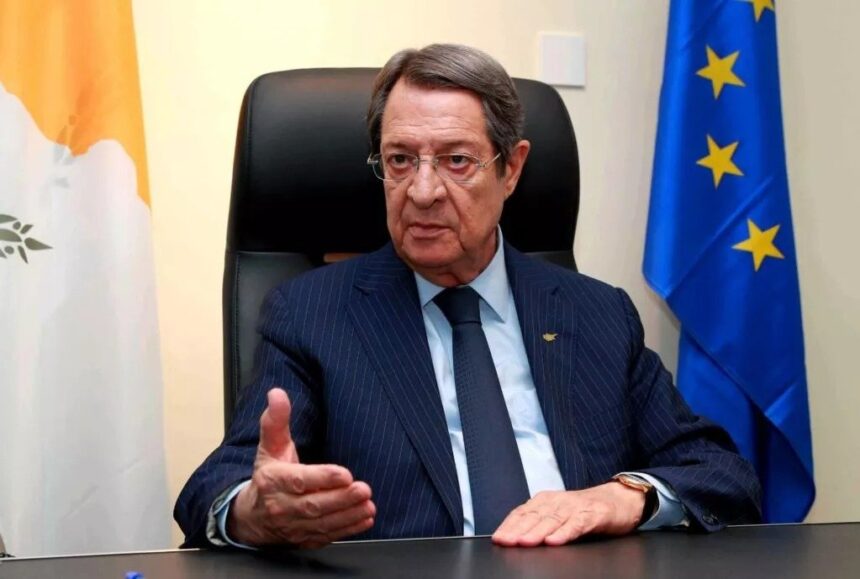
corruption allegations — The focus keyword ‘corruption allegations’ is central to the report detailing former President Nicos Anastasiades’s involvement in several contentious cases. The Anti-Corruption Authority’s findings, published alongside Makarios Drousiotis’s book “Mafia State,” shine a light on a range of accusations spanning from financial misconduct to influence peddling.
Corruption allegations: Connections to High-Profile Arrests
One significant case is linked to the arrest of Elena Rybolovleva, which the report suggests may have been orchestrated to serve certain interests in Cyprus. Allegedly, Anastasiades had a close relationship with the law firm representing Rybolovleva, raising questions about his role as a passive trader or influence peddler. This connection is under scrutiny due to the implications of undue influence over public officials.
Controversial Property Deals
Another area of concern involves the purchase of a property from the Church of Cyprus by Andri Anastasiades, the former president’s spouse. Drousiotis claims that the price paid was significantly low compared to market value, suggesting a pattern of preferential treatment linked to Anastasiades’s relationship with the Church. Additionally, the report highlights a controversial land grant from the state to the Archbishopric, which Drousiotis argues was illegal, further entangling Anastasiades in alleged corruption.
Funding Allegations Post-Financial Crisis
The Focus case raises serious questions about political financing in the wake of the 2013 financial crisis. Drousiotis alleges that political parties, including DISY, received substantial funds, with only a fraction officially declared. The report notes that while no direct evidence was found linking Anastasiades to personal financial gain from these transactions, the situation indicates a potential abuse of power, particularly given his direct involvement in the political landscape.
Tax Evasion and Undeclared Income
Further allegations suggest that Anastasiades and his law firm may have engaged in tax evasion through undeclared commissions from Cypriot banks. The report indicates that these transactions were misclassified to conceal their true nature, implicating Anastasiades in influence peddling while he was a member of parliament. Inspectors noted sufficient indications of possible corruption, raising the stakes for the former leader.
Offshore Companies and Money Laundering
The Pandora Papers investigation has also drawn attention to Anastasiades, with allegations of money laundering through offshore shell companies. The Anti-Corruption Authority’s report examines the role of his law firm in managing high-net-worth clients and transactions that lacked transparency. The findings indicate possible misuse of funds and highlight Anastasiades’s prior involvement in processes that could raise questions about integrity and accountability.
Controversy Over Property Development
In the case of a property development in Dromolaxia, Anastasiades is alleged to have intervened improperly on behalf of a private company, despite the absence of direct evidence of wrongdoing. The report details how his actions, including a request to the Attorney General to review the case, could constitute abuse of power, suggesting a willingness to utilise his position for personal or political advantage.
As these allegations continue to unfold, the implications for Nicos Anastasiades and the broader political landscape in Cyprus remain significant. The Anti-Corruption Authority’s findings serve as a stark reminder of the ongoing challenges in ensuring accountability and integrity within public office.